 Free
Free
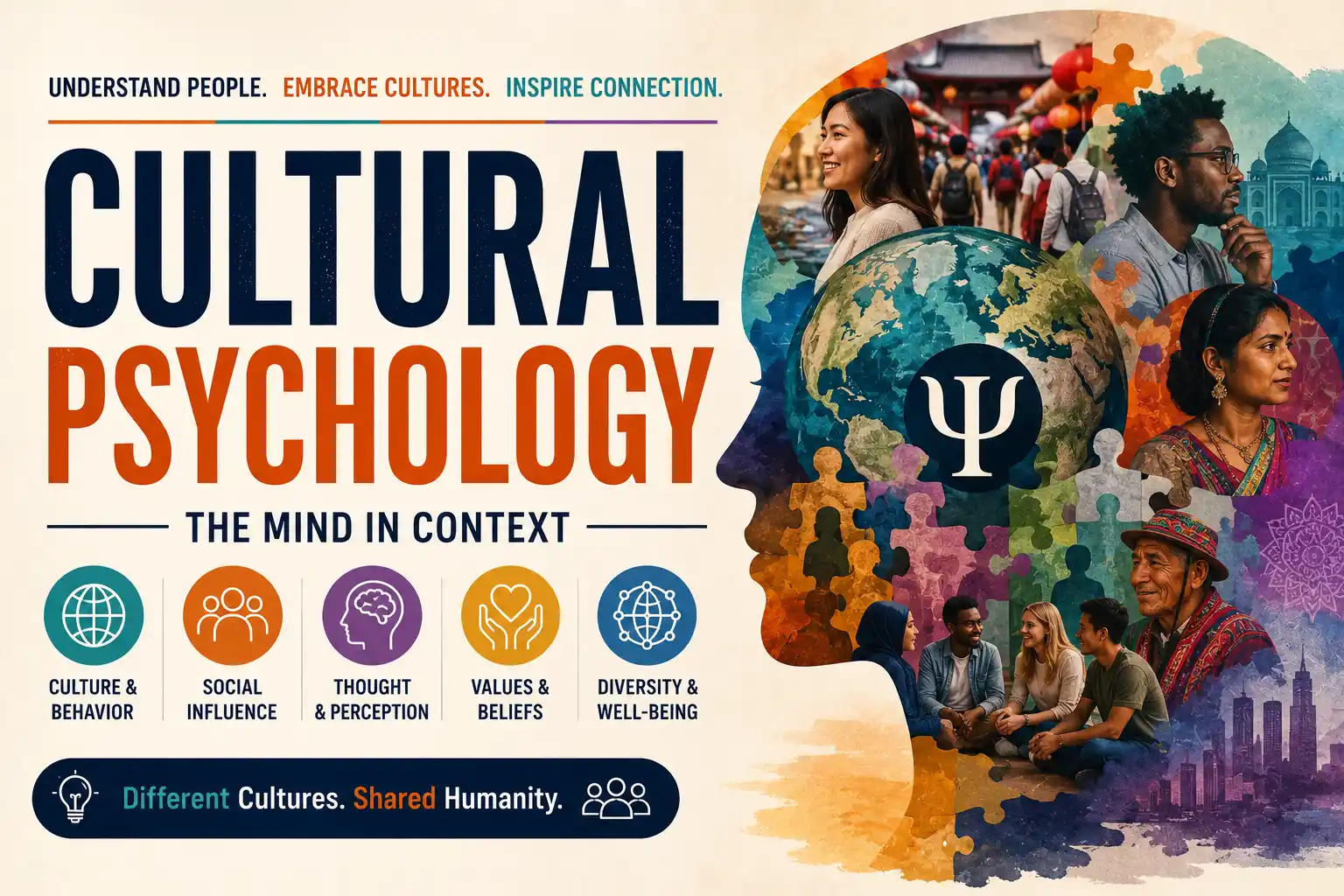
Cultural Psychology
XueTangX
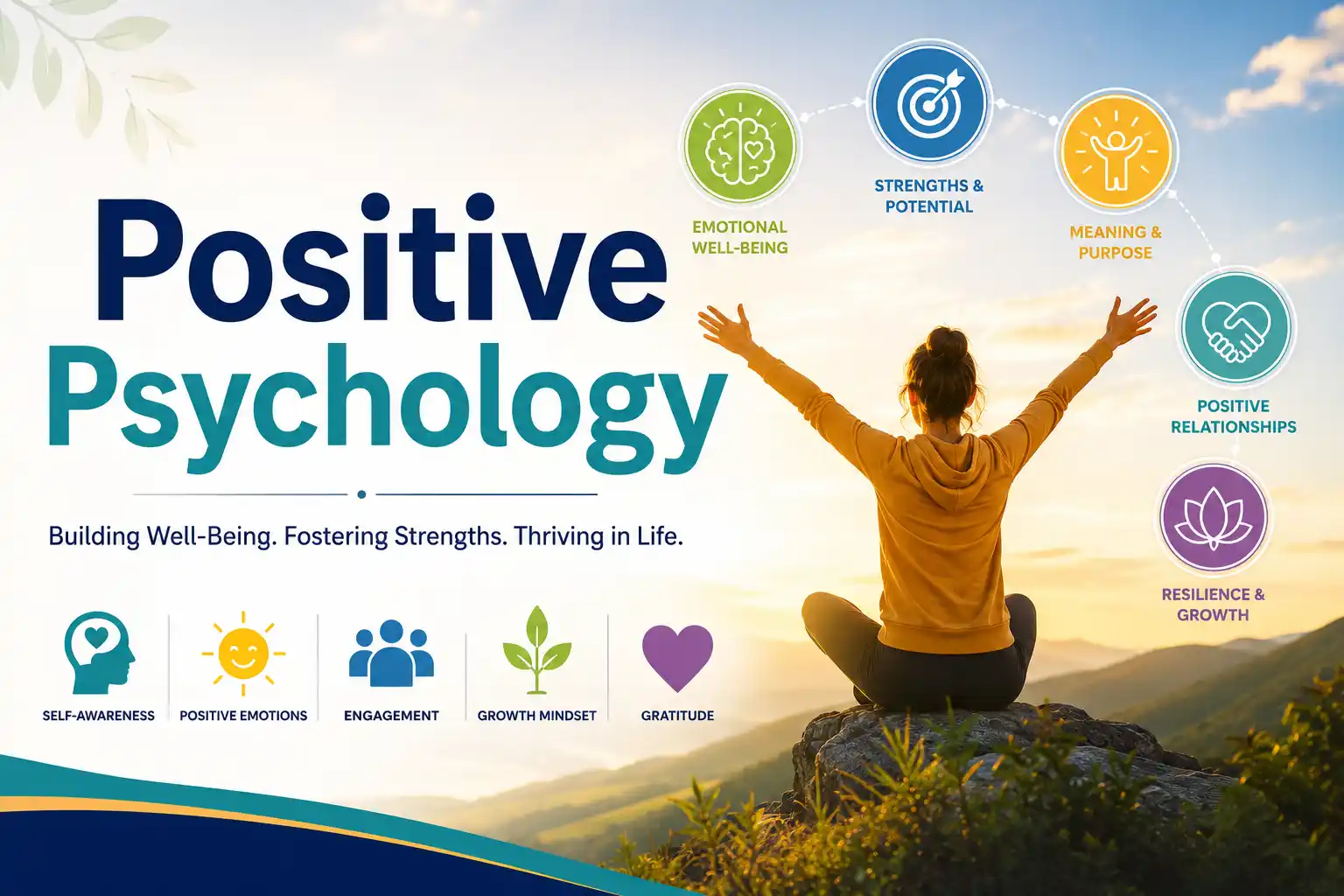
Master positive psychology: boost well-being, build resilience, and cultivate optimism. Evidence-based techniques for personal and professional growth...
View course
Understand human behavior, societies, and global systems through structured online courses covering psychology, sociology, economics, political science, and anthropology from world-leading universities.
Free
 Free
Free
 Free
Free
Choose your social science path and start making a difference today
Connect with researchers, discuss ideas, and get real-time updates
Learn Psychology, Sociology, Economics & Political Science. Our Social Science courses collection brings together the best online classes from top universities like Yale, MIT, Harvard, LSE, and Stanford. Whether you're a student exploring human behavior or a professional seeking to understand societal dynamics, you'll find rigorous and engaging learning paths.
With over 100 courses in areas such as cognitive psychology, social inequality, behavioral economics, international relations, and cultural anthropology, our platform helps you develop critical thinking and research skills. Many courses offer certificates upon completion and are available in multiple languages including English, Spanish, and French.
Our filtering system allows you to narrow down by duration, language, certificate availability, and price – ensuring you find the perfect social science course matching your goals and schedule.
Learning Social Science equips you with essential skills to understand and address complex human challenges. Social scientists work in diverse fields including policy analysis, counseling, market research, urban planning, education, and international development. The ability to analyze data, understand human motivation, and navigate cultural differences is increasingly valuable in our interconnected world.
Online Social Science courses (MOOC) allow you to gain research and analytical skills without committing to a full degree. You can learn at your own pace while working with real survey data, case studies, and theoretical frameworks. Our platform aggregates the best social science learning resources, helping you focus on impactful questions and evidence-based reasoning.
Employers highly value critical thinking, writing, and quantitative literacy. Completing certificate courses from leading universities demonstrates your ability to interpret data, construct arguments, and understand diverse perspectives. Many courses include certification exam prep for professional credentials in social work, research ethics, or policy analysis.
Whether your goal is to become a psychologist, economist, sociologist, or informed citizen, learning social science online gives you the flexibility, knowledge, and credentials to understand and improve the human condition.
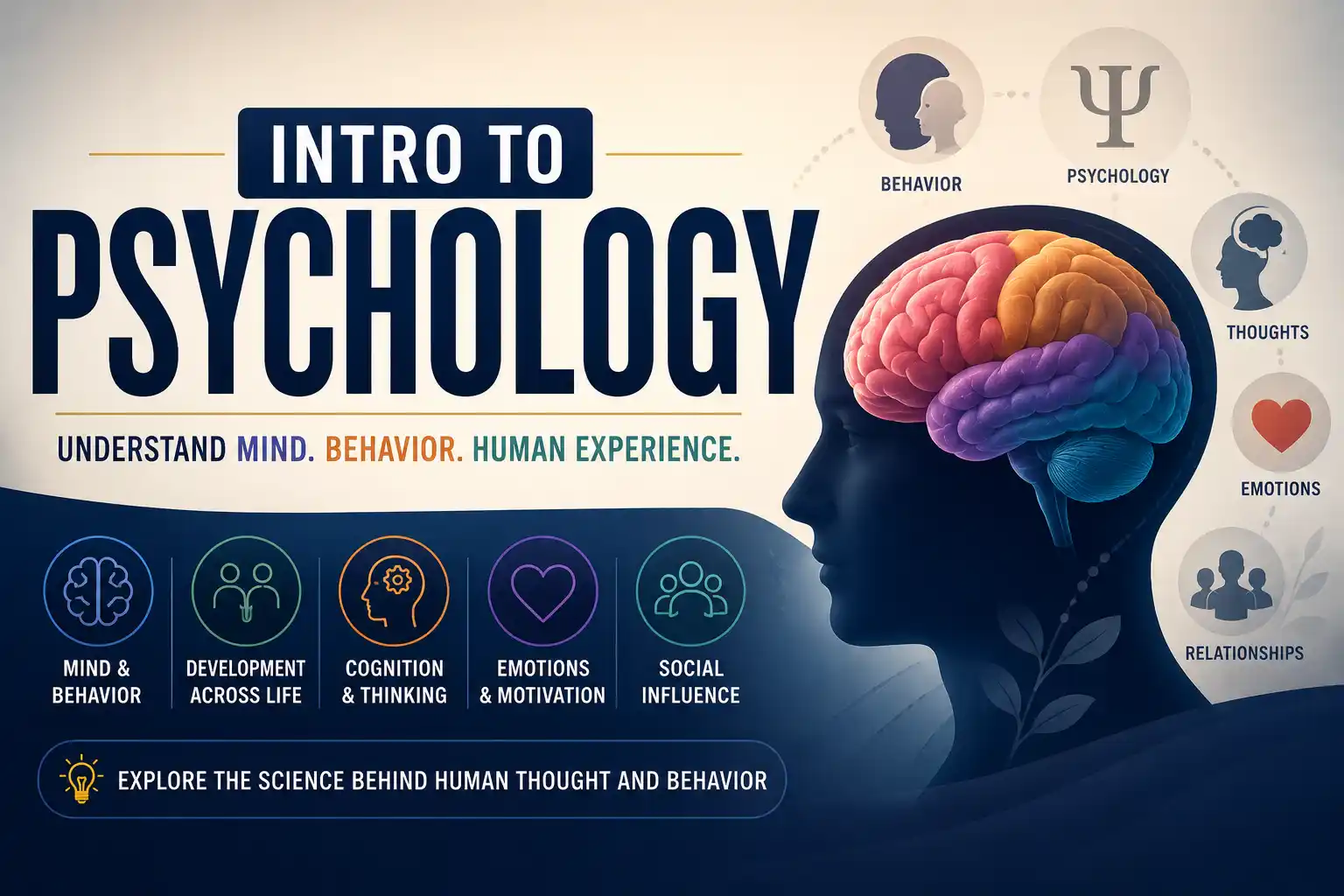
Many of our featured courses are completely free to audit, including Yale's Introduction to Psychology and MIT's Principles of Economics. Some platforms offer paid certificates or graded assignments, but the core video lectures and materials are often free. Use our "Free" filter to see all zero-cost options.
Yes! Most courses from partners like Yale, MIT, and Harvard provide shareable certificates upon completion. Look for the "certificate" badge on course cards. Certificates typically require a small fee or completion of assignments, and many prepare you for academic or professional roles.
For most introductory courses (e.g., Psychology, Sociology, Political Science), no advanced math is required. For economics or data-focused courses, basic algebra is helpful. Each course description includes prerequisites to help you choose the right level.
Course duration ranges from quick 1-hour introductions (e.g., Data Science for Social Scientists) to in-depth 5+ hours specializations (e.g., Comparative Politics). Use our duration filter (0-1 hour, 1-5 hours, 5+ hours) to match your available time commitment. Certificate programs often recommend 3-6 hours per week over several weeks.