What Is the Landscape of Postdoctoral Fellowships?
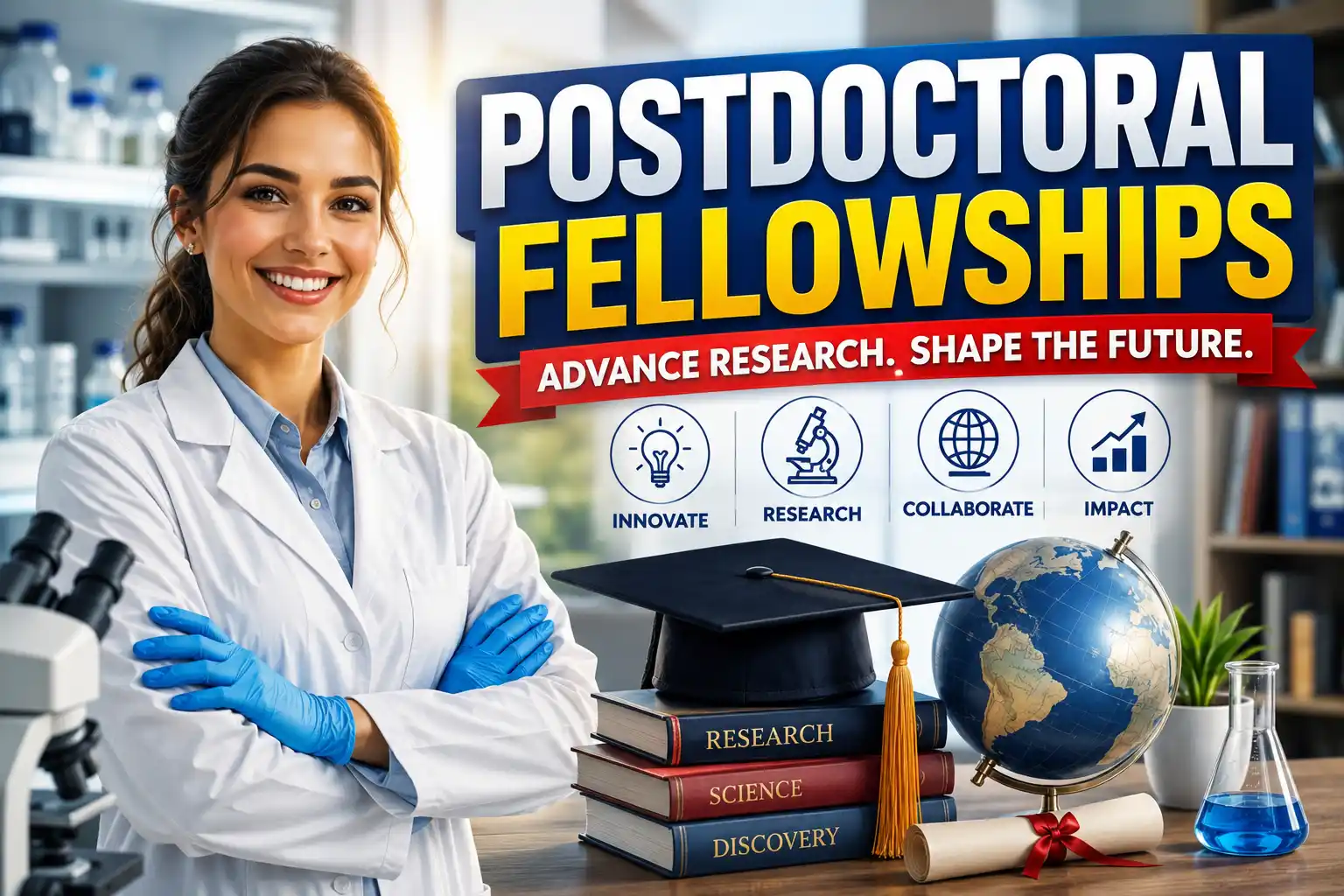
When we talk about "postdoctoral fellowships," we're referring to the prestigious research positions and funding opportunities available for scholars who have recently completed their doctoral degrees. A postdoctoral fellowship, often called a "postdoc," is a temporary research position that allows early-career academics to deepen their expertise, publish research, and build a strong foundation for a career in academia, industry, or government. Postdoctoral fellowships come from various sources, government agencies like the National Science Foundation (NSF) and the European Research Council (ERC), private foundations like the Ford Foundation and the Alexander von Humboldt Foundation, and individual universities and research institutes around the world. These opportunities are designed to nurture the next generation of research leaders and innovators.
What makes the postdoctoral fellowship landscape so exciting is its incredible diversity and the freedom it offers to pursue independent research. You'll find fellowships in every academic discipline, from the humanities and social sciences to STEM fields and the arts. Some are fully-funded positions that include a competitive salary, research budget, and benefits, while others are prestigious named fellowships that come with significant prestige and networking opportunities. There are fellowships specifically for international researchers, fellowships focused on diversity and inclusion, and fellowships tied to specific research themes or institutions. Whether you dream of conducting cutting-edge research in a top laboratory, writing a groundbreaking book, or developing innovative solutions to global challenges, there's likely a postdoctoral fellowship that can help make your research career dream a reality.
Why Should You Pursue a Postdoctoral Fellowship?
Choosing to pursue a postdoctoral fellowship is about investing in your future as a researcher and academic leader. The postdoctoral period is a critical phase in an academic career, it's a time to build your research portfolio, establish your independence, and develop a network of collaborators that will support you throughout your career. A prestigious postdoctoral fellowship can be a game-changer, providing you with the resources, time, and freedom to pursue ambitious research projects that might not be possible in other roles. It's also a powerful signal to future employers, whether in academia, industry, or government, that you are a highly competitive and promising researcher.
Beyond the career advantages, postdoctoral fellowships offer a unique opportunity for professional development and personal growth. You'll have the chance to work with leading experts in your field, learn new methodologies, and contribute to cutting-edge research that can make a real difference in the world. Many fellowships also include mentorship programs, teaching opportunities, and training in grant writing and project management, skills that are invaluable for any research career. The intellectual stimulation of being surrounded by brilliant minds, the satisfaction of making new discoveries, and the excitement of presenting your work at international conferences, these are the experiences that make a postdoctoral fellowship truly transformative. It's not just about getting a job, it's about becoming the researcher you were meant to be.
How Can You Successfully Secure a Postdoctoral Fellowship?
So, you've earned your PhD and you're ready to take the next step, now what? The process of securing a postdoctoral fellowship is competitive and requires careful planning. The first step is identifying fellowships that align with your research interests, career goals, and eligibility. Start by exploring major funding agencies in your field, such as the NSF, NIH, or ERC, as well as private foundations and university-specific programs. It's also essential to identify potential supervisors or host institutions early, as many fellowships require a letter of support from a faculty member at the host institution. Reach out to potential mentors whose work aligns with yours, introduce yourself, and express your interest in working with them.
Once you've identified your target fellowships, it's time to craft a compelling application. The centerpiece of most postdoctoral fellowship applications is the research proposal. This is your chance to demonstrate your intellectual curiosity, your ability to design rigorous research, and your potential to make a significant contribution to your field. Your proposal should be clear, ambitious, and feasible, with well-defined research questions, a sound methodology, and a realistic timeline. You'll also need academic transcripts, a CV that highlights your publications and research experience, recommendation letters from your PhD supervisor and other mentors who can speak to your abilities, and a compelling personal statement that tells your story and explains why this fellowship is the right next step for you. Give yourself plenty of time, seek feedback from mentors, and submit well before the deadline.
Final Thoughts About Postdoctoral Fellowships
Postdoctoral fellowships represent a golden opportunity to launch your research career with confidence and support. They are a recognition of your potential as a scholar and an investment in the research that will shape our future. Whether you're drawn to the academic freedom, the professional development opportunities, or the chance to work with leading experts in your field, a postdoctoral fellowship can be a transformative experience that sets the stage for a fulfilling and impactful career.
Remember, the journey to securing a postdoctoral fellowship starts with a single step: believing that you are worthy of this opportunity. You have earned your PhD through years of hard work and dedication, and you have a unique perspective and set of skills to offer. Don't let the fear of rejection or the competitive nature of the process hold you back. Start your research today, reach out to potential mentors, and put together the best application you can. The research world is waiting for your contributions, and with the right fellowship, you can make your mark. Go for it, your postdoctoral adventure is waiting.
Frequently Asked Questions About Postdoctoral Fellowships
1. What is a postdoctoral fellowship?
A postdoctoral fellowship is a temporary research position for scholars who have recently completed their PhD. It provides funding, resources, and time to conduct independent research, publish findings, and develop skills for a career in academia, industry, or government.
2. How long does a postdoctoral fellowship typically last?
Most postdoctoral fellowships last between 1 to 3 years, with 2-year fellowships being common. Some prestigious fellowships may last longer, and extensions are sometimes possible depending on the program.
3. How much do postdoctoral fellowships pay?
Salaries vary widely by country, institution, and fellowship program. In the United States, typical stipends range from $50,000 to $70,000 per year, plus benefits. European fellowships may offer €30,000 to €60,000 depending on the country.
4. What is the difference between a postdoctoral fellowship and a postdoc position?
A postdoctoral fellowship is a competitively awarded funding mechanism where the fellow often has more independence and their own research budget. A postdoc position may be a staff position funded by a principal investigator's grant, with less autonomy.
5. What should I include in a postdoctoral fellowship research proposal?
Your proposal should include a clear research question, a review of relevant literature, a methodology that is feasible and appropriate, a timeline for completion, and a discussion of the significance and impact of your proposed research.
6. How competitive are postdoctoral fellowships?
They are highly competitive, with acceptance rates often below 10-20% for prestigious programs. However, with a strong research proposal, a solid publication record, and careful preparation, you have a real chance of success.
7. Do I need to have publications to apply for a postdoctoral fellowship?
While not always required, having peer-reviewed publications significantly strengthens your application. It demonstrates that you are a productive researcher capable of completing and disseminating research.
8. Can international students apply for postdoctoral fellowships?
Yes, many postdoctoral fellowships are open to international researchers. Some programs are specifically designed for international applicants, while others may have citizenship restrictions. Always check eligibility carefully.
9. When should I start applying for postdoctoral fellowships?
Ideally, begin your search 9 to 12 months before you expect to start your fellowship. Deadlines are often 6-12 months before the start date, so early planning is essential.
10. Do I need to find a host institution before applying?
For many fellowships, yes, you need to secure a host institution and supervisor who will sponsor your application and provide mentorship. Some fellowships allow you to apply first and then choose an institution.
11. What are the best postdoctoral fellowship programs?
Top programs include NSF Postdoctoral Fellowships (US), Marie Skłodowska-Curie Actions (Europe), Alexander von Humboldt Fellowships (Germany), JSPS Fellowships (Japan), and prestigious university-specific programs like Harvard's Society of Fellows.
12. Can I apply for multiple postdoctoral fellowships at once?
Yes, you can and should apply for multiple fellowships simultaneously to increase your chances of success. Just be sure to tailor each application to the specific program's requirements and priorities.
13. What are the benefits of a postdoctoral fellowship?
Benefits include a competitive salary, often with health insurance and other benefits, a research budget for travel, equipment, and publications, mentorship from established researchers, and the opportunity to build your academic network.
14. What is the success rate for postdoctoral fellowship applications?
Success rates vary widely, from 5-20% for highly competitive programs to higher rates for less prestigious or smaller fellowships. Persistence is key, many researchers apply multiple times before securing a fellowship.
15. What happens after a postdoctoral fellowship ends?
After a postdoctoral fellowship, many researchers pursue faculty positions, research scientist roles in industry or government, or continue with another fellowship. The experience and publications gained during a postdoc are crucial for securing a permanent position.
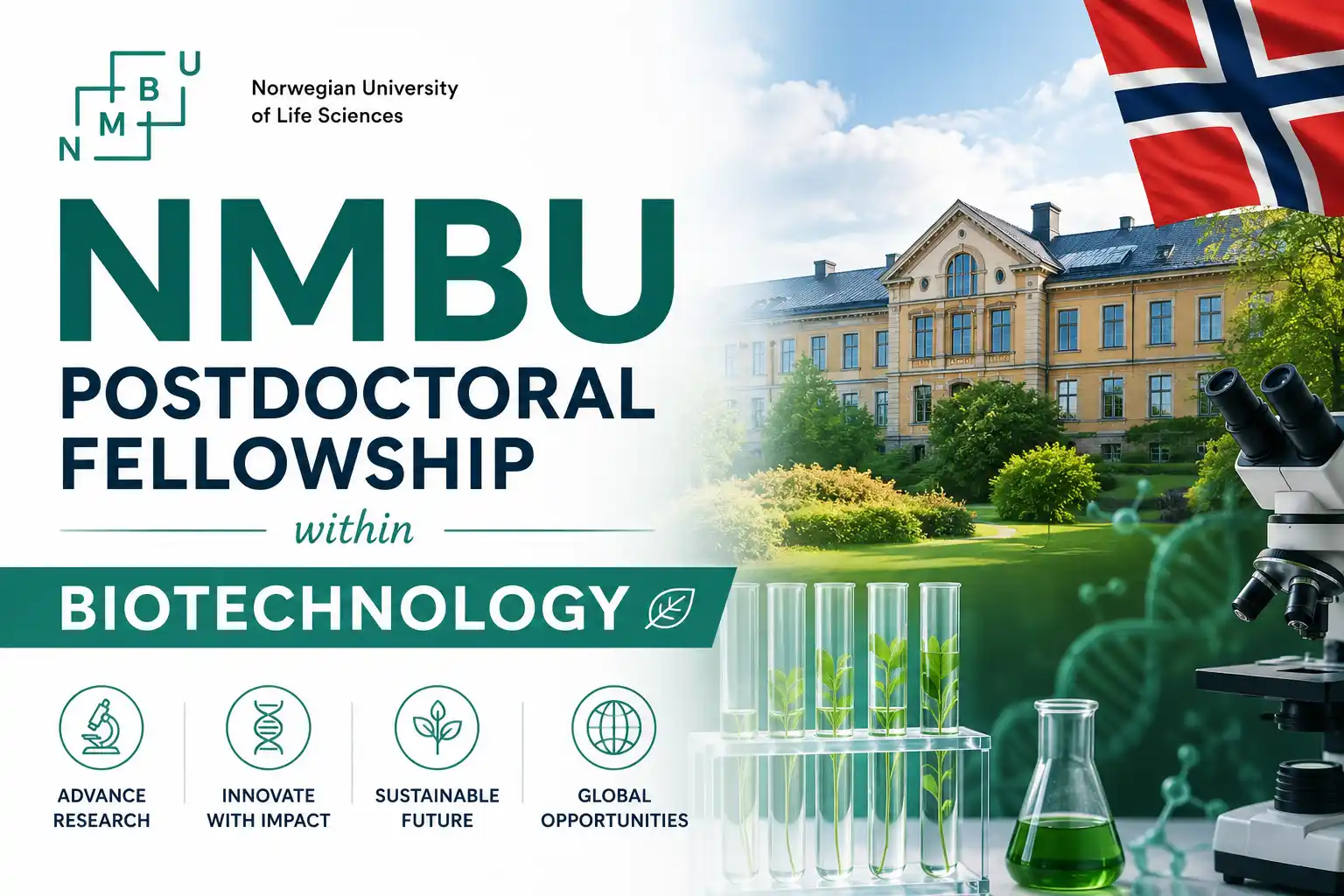
 Open
Postdoc
Deadline: Nov 01, 2026
⏰ 22d left
Open
Postdoc
Deadline: Nov 01, 2026
⏰ 22d left







 Austria scholarships
 Australia scholarships
 Belgium scholarships
 Brazil scholarships
 Canada scholarships
 China scholarships
 Czech Republic scholarships
 Denmark scholarships
 Finland scholarships
 France scholarships
 Germany scholarships
 Hungary scholarships
 Indonesia scholarships
 Ireland scholarships
 Italy scholarships
 Japan scholarships
 Kenya scholarships
 Luxembourg scholarships
 Malaysia scholarships
 Nepal scholarships
 Netherlands scholarships
 Newzealand scholarships
 Nigeria scholarships
 Norway scholarships
 Pakistan scholarships
 Poland scholarships
 Portugal scholarships
 Qatar scholarships
 Russia scholarships
 Saudi Arabia scholarships
 Singapore scholarships
 South Africa scholarships
 South Korea scholarships
 Spain scholarships
 Sweden scholarships
 Switzerland scholarships
 Taiwan scholarships
 Tanzania scholarships
 Thailand scholarships
 Turkey scholarships
 UAE scholarships
 Uganda scholarships
 UK scholarships
 USA scholarships
 Vietnam scholarships