 Open
Master
Deadline: Oct 31, 2027
Open
Master
Deadline: Oct 31, 2027
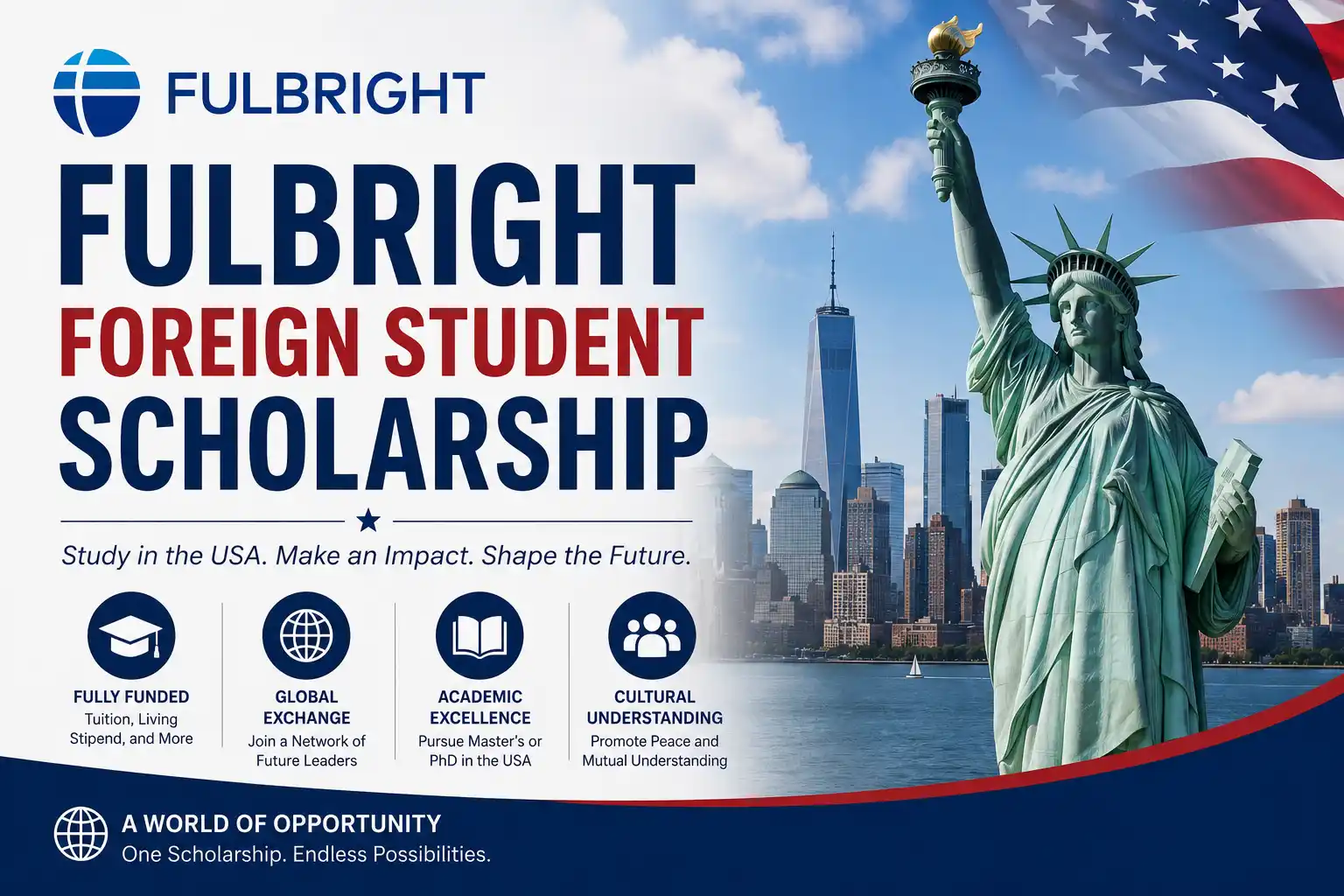
Fullbright Foreign Student Scholarship
Usa Government
Live your American dream with Fulbright. Full funding for graduate study in the US. Join global leaders. Change your life forever....
View scholarship
Discover fully funded Master scholarships for international students to study abroad. Updated daily with deadlines, eligibility criteria, and application guides for Master programs. You will also find UK Master scholarships, USA Master scholarships, Germany Master scholarships, Canada Master scholarships, Europe Master scholarships, Australia and Asia Master scholarships and more.
 Open
Master
Deadline: Oct 31, 2027
Open
Master
Deadline: Oct 31, 2027
 Open
Master
Deadline: Apr 01, 2027
Open
Master
Deadline: Apr 01, 2027
 Open
Master
Deadline: Jan 31, 2027
Open
Master
Deadline: Jan 31, 2027
 Open
Master
Deadline: Jan 27, 2027
Open
Master
Deadline: Jan 27, 2027
 Open
Master
Deadline: Jan 27, 2027
Open
Master
Deadline: Jan 27, 2027
 Open
Master
Deadline: Jan 21, 2027
Open
Master
Deadline: Jan 21, 2027
 Open
Master
Deadline: Jan 15, 2027
Open
Master
Deadline: Jan 15, 2027
 Open
Master
Deadline: Dec 31, 2026
Open
Master
Deadline: Dec 31, 2026
 Open
Master
Deadline: Dec 31, 2026
Open
Master
Deadline: Dec 31, 2026
 Open
Master
Deadline: Dec 30, 2026
Open
Master
Deadline: Dec 30, 2026
 Open
Master
Deadline: Dec 30, 2026
Open
Master
Deadline: Dec 30, 2026
 Open
Master
Deadline: Dec 30, 2026
Open
Master
Deadline: Dec 30, 2026
 Open
Master
Deadline: Dec 22, 2026
Open
Master
Deadline: Dec 22, 2026
 Open
Master
Deadline: Dec 18, 2026
Open
Master
Deadline: Dec 18, 2026
 Open
Master
Deadline: Dec 15, 2026
Open
Master
Deadline: Dec 15, 2026
 Open
Master
Deadline: Dec 14, 2026
Open
Master
Deadline: Dec 14, 2026
 Open
Master
Deadline: Dec 05, 2026
Open
Master
Deadline: Dec 05, 2026
 Open
Master
Deadline: Dec 01, 2026
Open
Master
Deadline: Dec 01, 2026
 Open
Master
Deadline: Dec 01, 2026
Open
Master
Deadline: Dec 01, 2026
 Open
Master
Deadline: Nov 30, 2026
Open
Master
Deadline: Nov 30, 2026
 Open
Master
Deadline: Nov 30, 2026
Open
Master
Deadline: Nov 30, 2026
 Open
Master
Deadline: Nov 30, 2026
Open
Master
Deadline: Nov 30, 2026
 Open
Master
Deadline: Nov 16, 2026
Open
Master
Deadline: Nov 16, 2026
 Open
Master
Deadline: Nov 15, 2026
Open
Master
Deadline: Nov 15, 2026
 Open
Master
Deadline: Nov 01, 2026
⏰ 18d left
Open
Master
Deadline: Nov 01, 2026
⏰ 18d left
 Open
Master
Deadline: Oct 31, 2026
⏰ 17d left
Open
Master
Deadline: Oct 31, 2026
⏰ 17d left
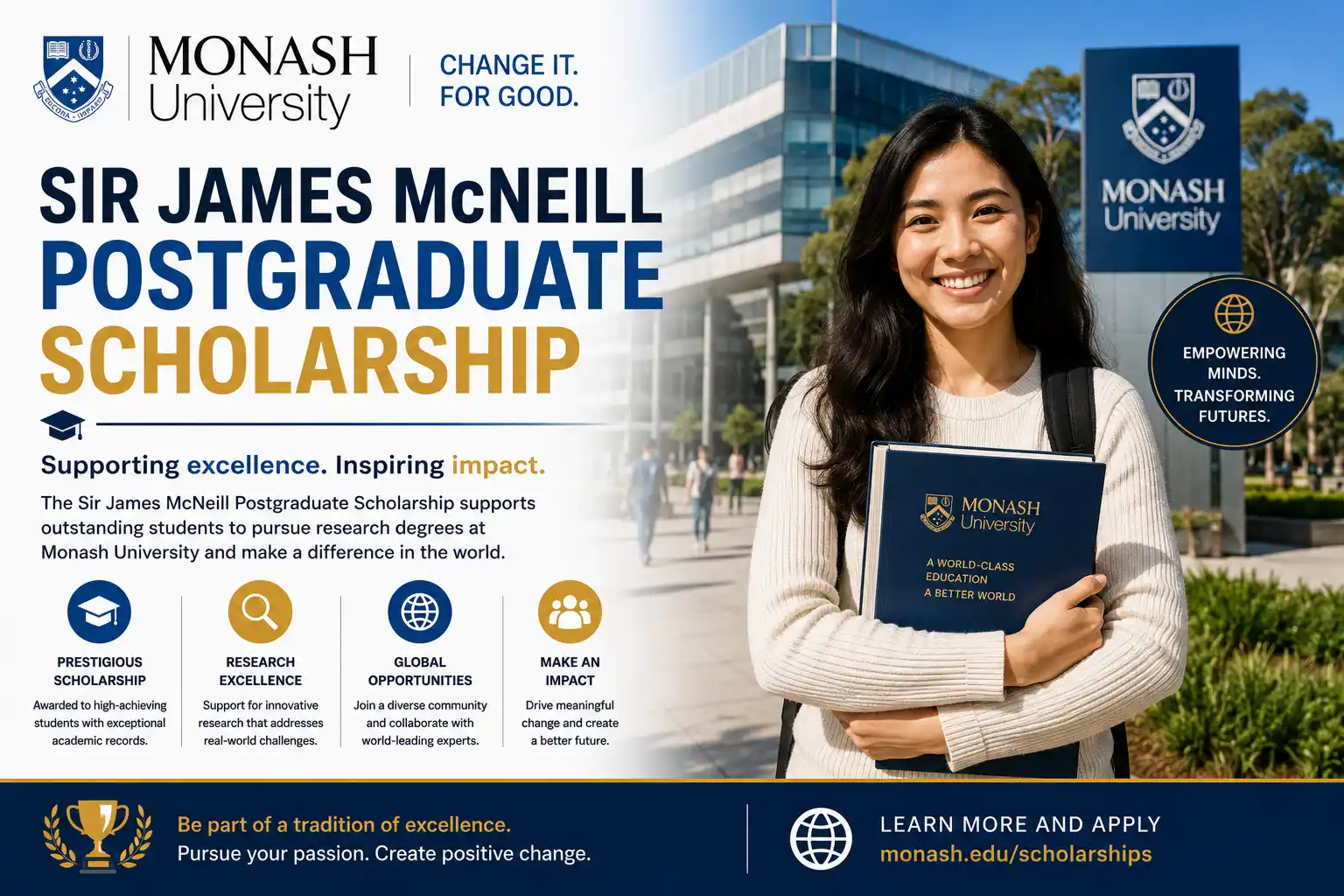 Open
Master
Deadline: Oct 31, 2026
⏰ 17d left
Open
Master
Deadline: Oct 31, 2026
⏰ 17d left
 Open
Master
Deadline: Oct 31, 2026
⏰ 17d left
Open
Master
Deadline: Oct 31, 2026
⏰ 17d left
 Open
Master
Deadline: Oct 30, 2026
⏰ 16d left
Open
Master
Deadline: Oct 30, 2026
⏰ 16d left
 Open
Master
Deadline: Oct 20, 2026
🔥 6d left
Open
Master
Deadline: Oct 20, 2026
🔥 6d left
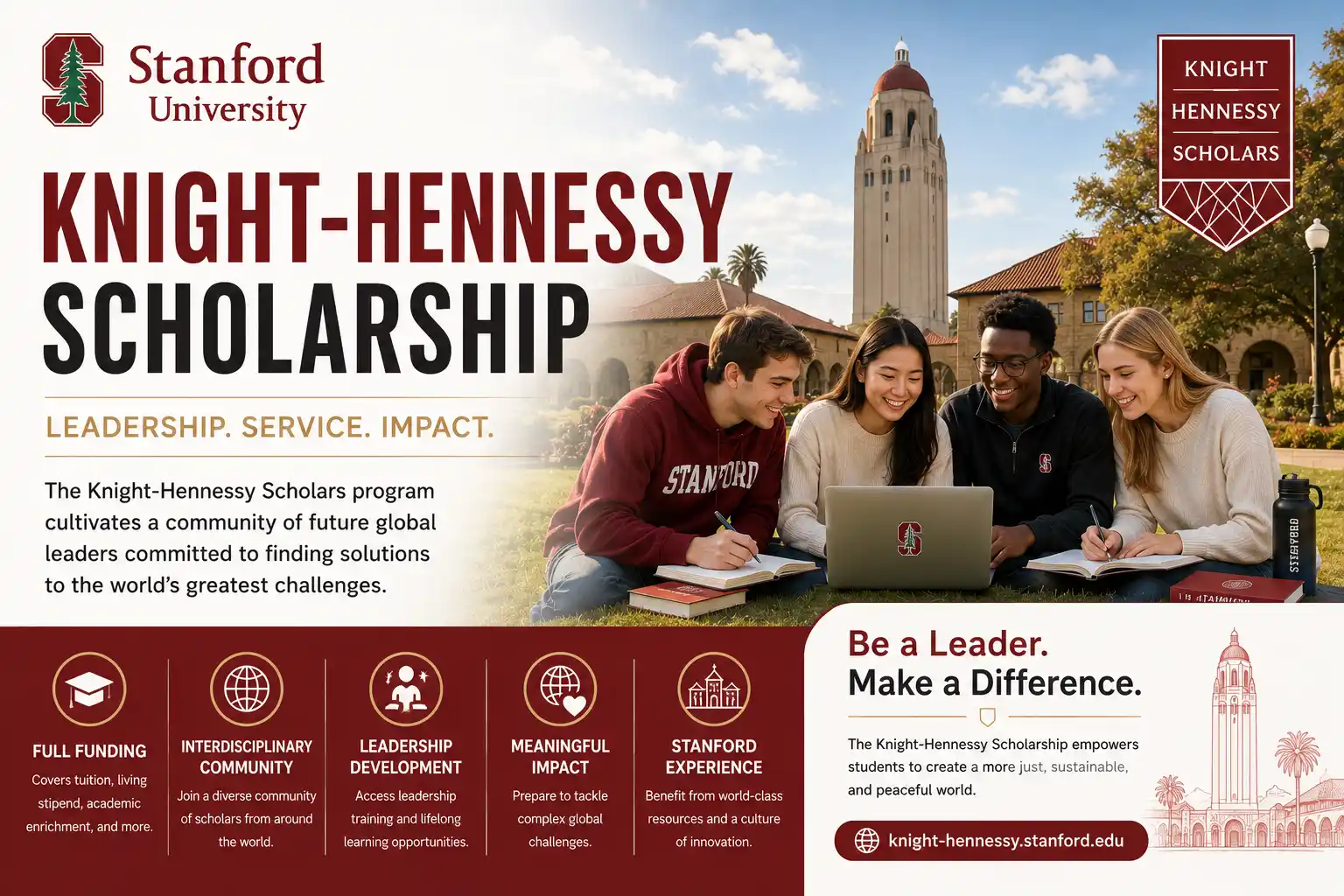 Closed
Master
Deadline: Oct 06, 2026
Closed
Master
Deadline: Oct 06, 2026
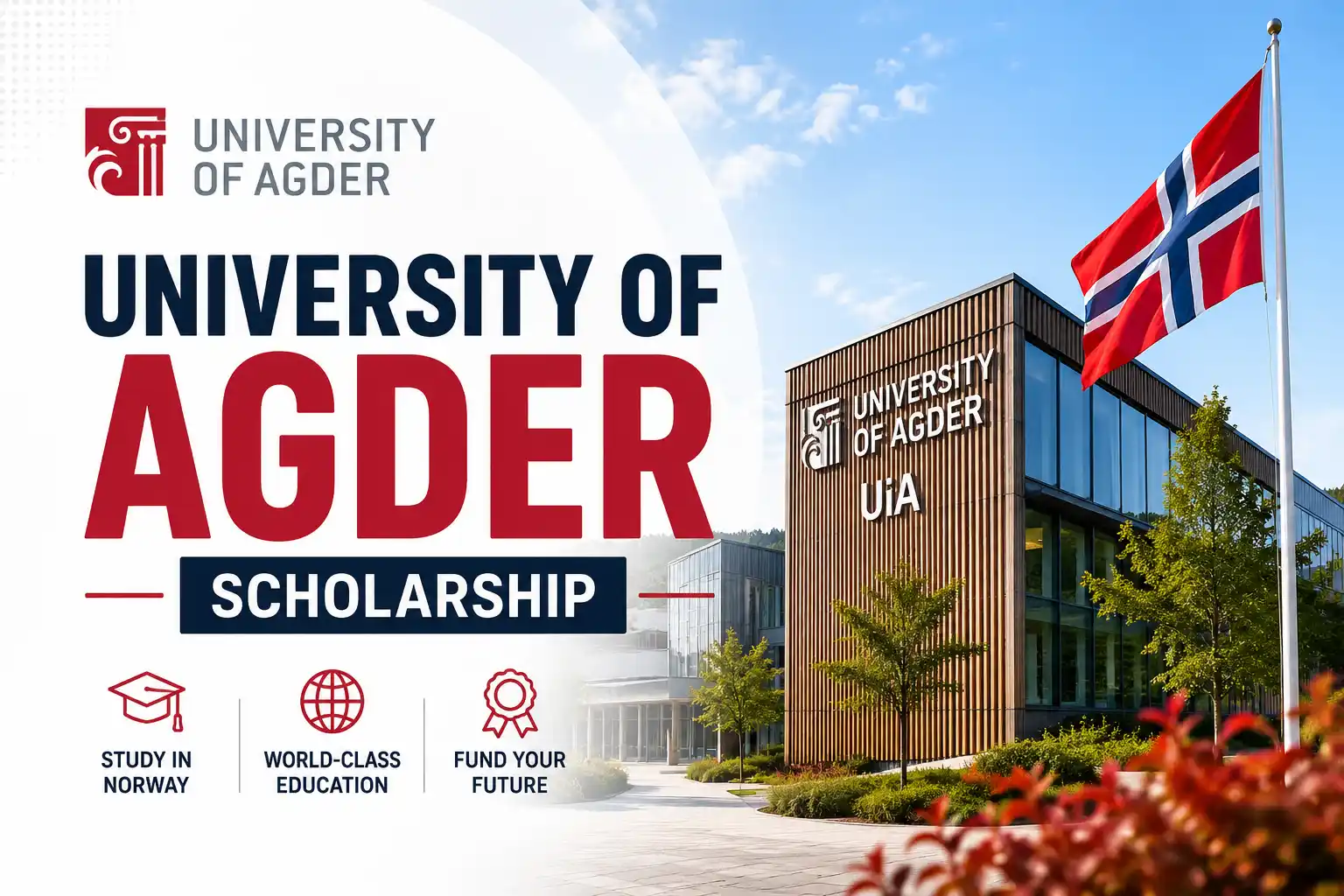 Closed
Master
Deadline: Oct 01, 2026
Closed
Master
Deadline: Oct 01, 2026
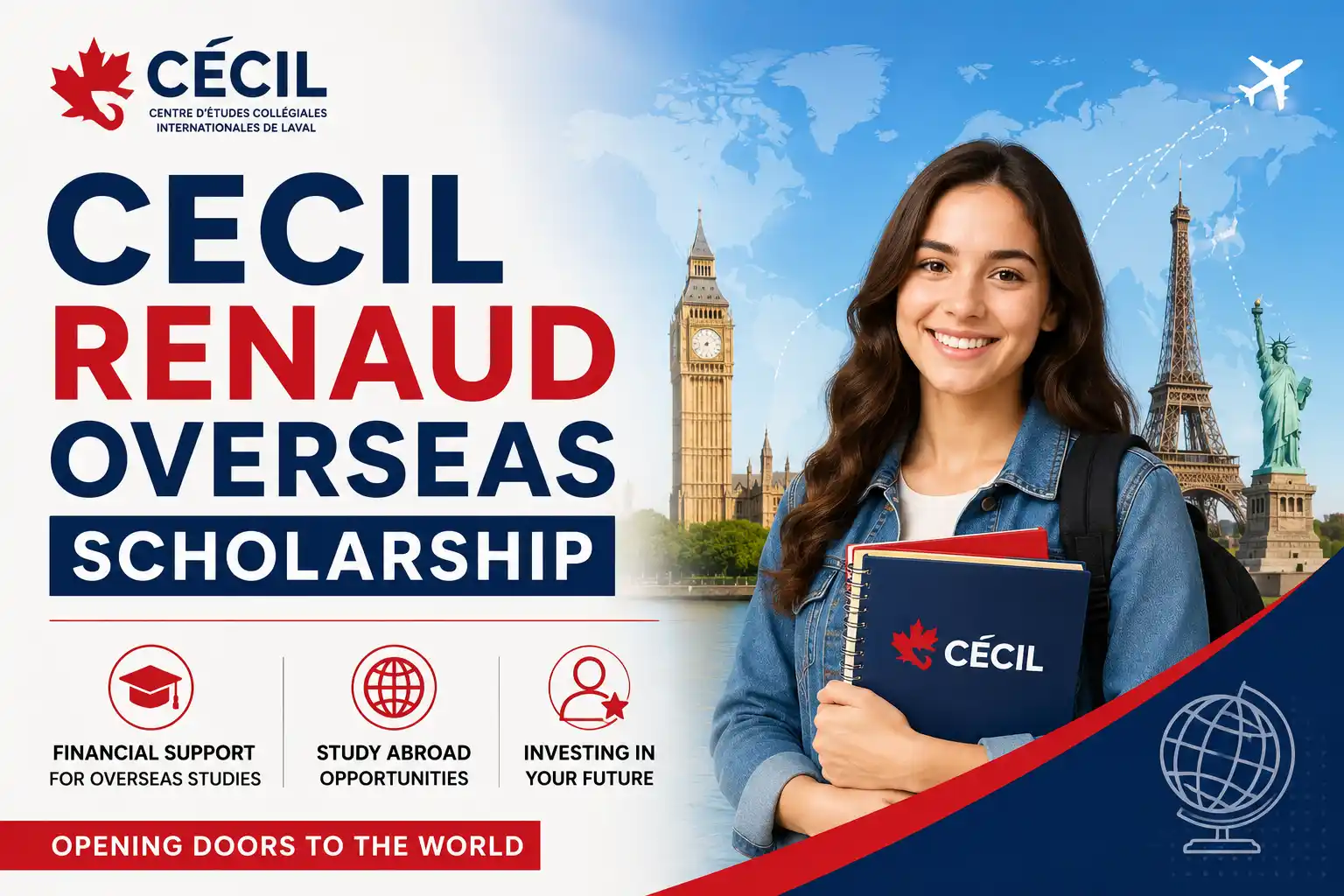 Closed
Master
Deadline: Sep 30, 2026
Closed
Master
Deadline: Sep 30, 2026
 Closed
Master
Deadline: Sep 30, 2026
Closed
Master
Deadline: Sep 30, 2026
 Closed
Master
Deadline: Sep 23, 2026
Closed
Master
Deadline: Sep 23, 2026
 Closed
Master
Deadline: Sep 18, 2026
Closed
Master
Deadline: Sep 18, 2026
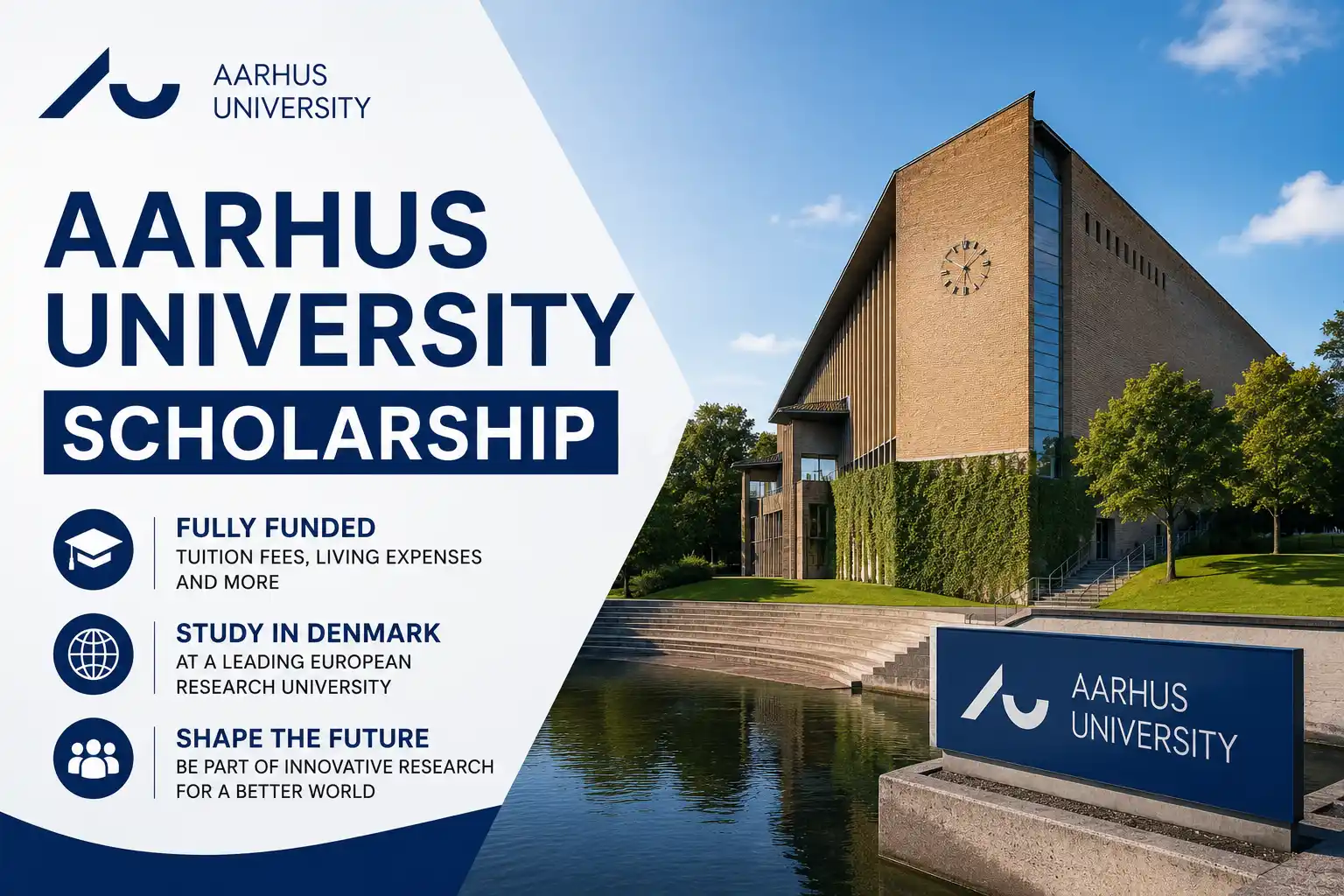 Closed
Master
Deadline: Sep 15, 2026
Closed
Master
Deadline: Sep 15, 2026
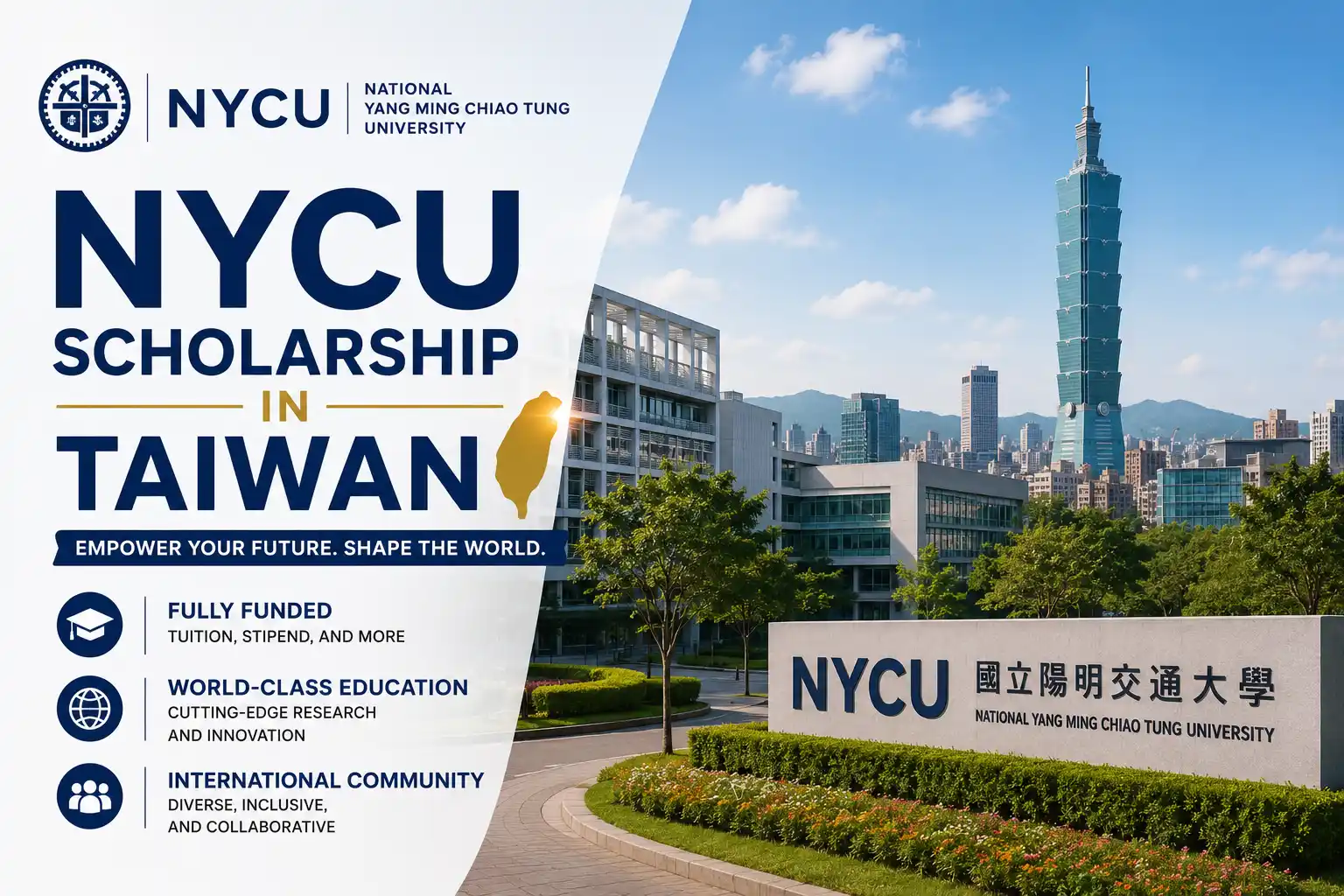 Closed
Master
Deadline: Sep 15, 2026
Closed
Master
Deadline: Sep 15, 2026
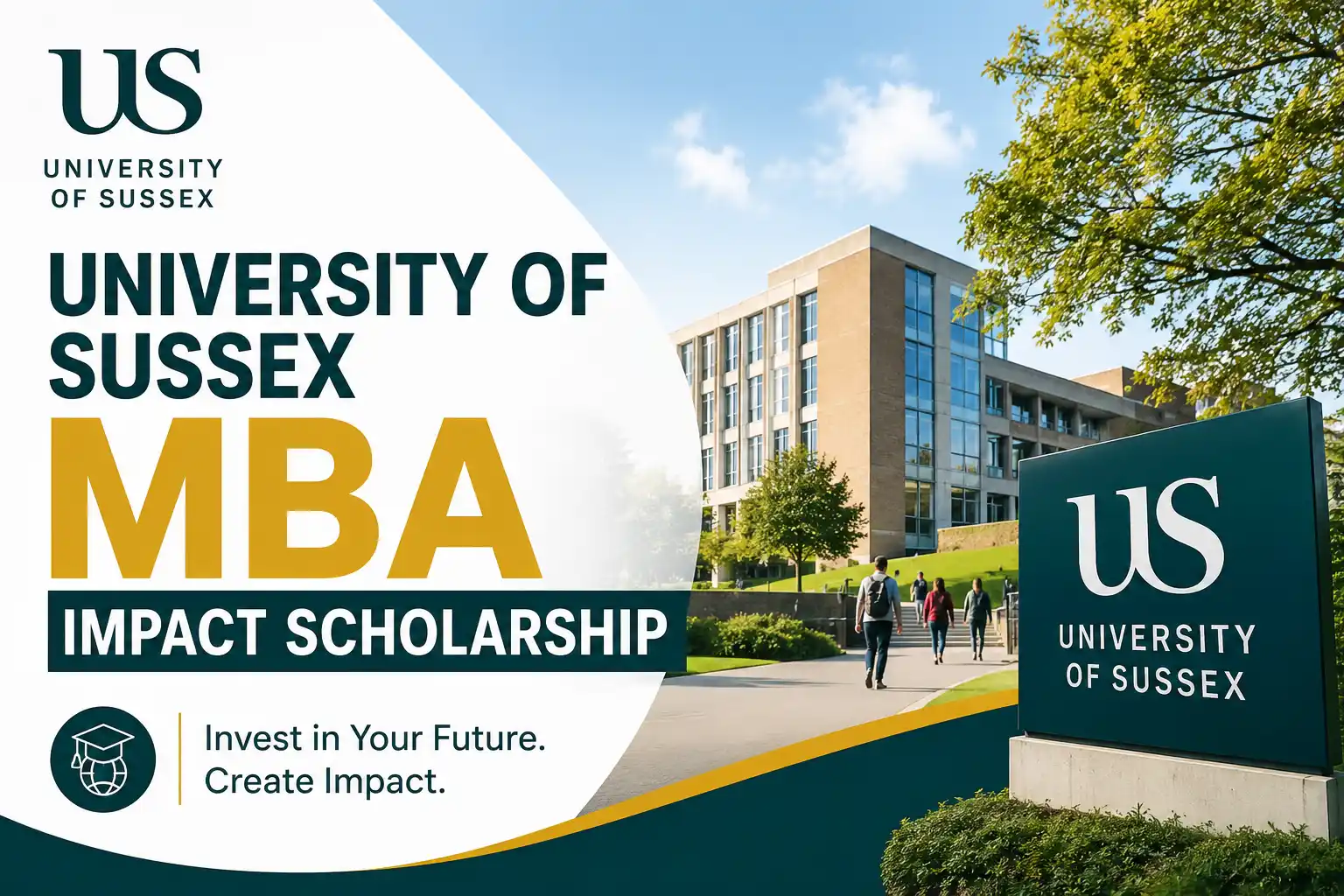 Closed
Master
Deadline: Sep 01, 2026
Closed
Master
Deadline: Sep 01, 2026
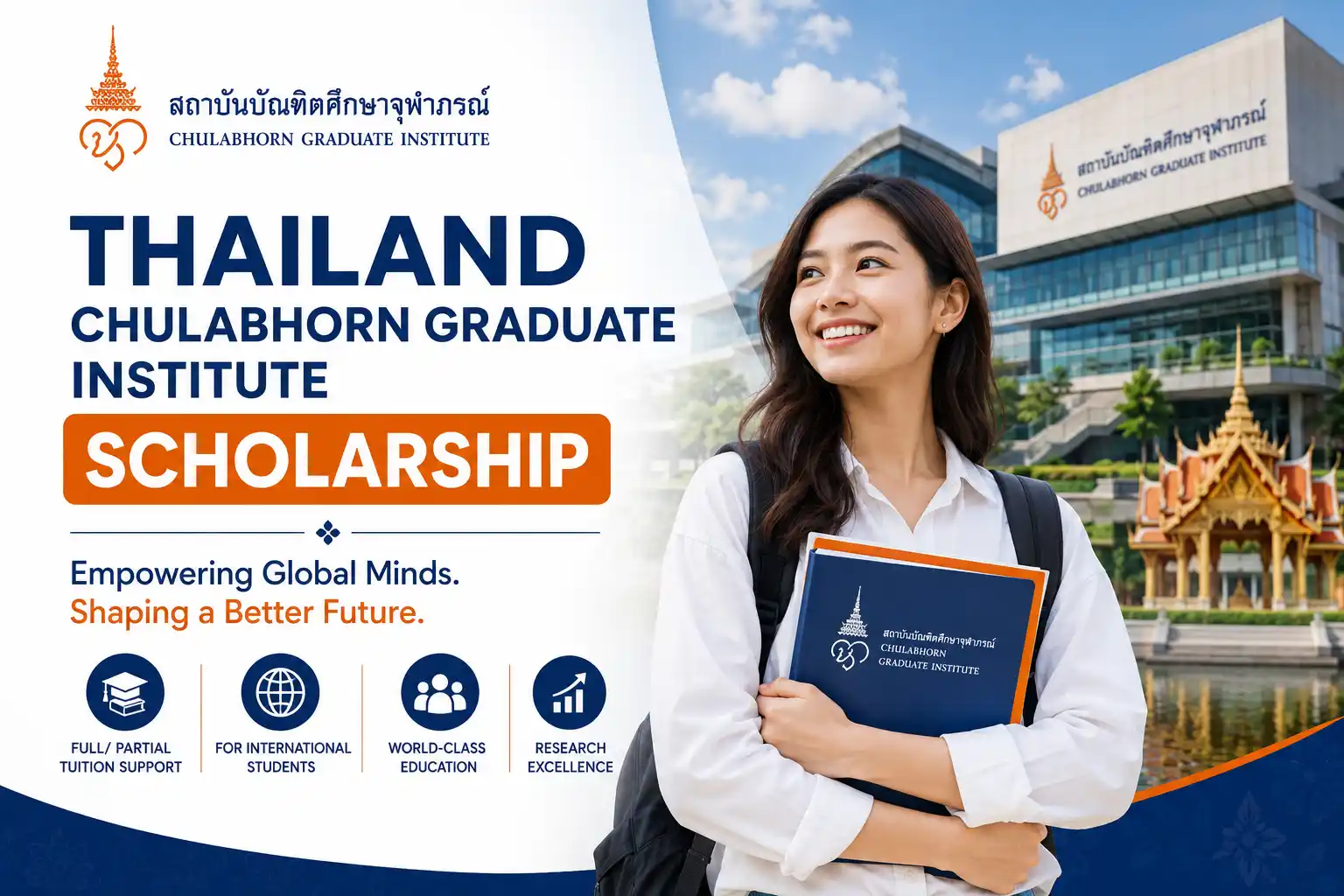 Closed
Master
Deadline: Aug 31, 2026
Closed
Master
Deadline: Aug 31, 2026
 Closed
Master
Deadline: Aug 31, 2026
Closed
Master
Deadline: Aug 31, 2026
 Closed
Master
Deadline: Aug 31, 2026
Closed
Master
Deadline: Aug 31, 2026
 Closed
Master
Deadline: Aug 23, 2026
Closed
Master
Deadline: Aug 23, 2026
 Closed
Master
Deadline: Aug 21, 2026
Closed
Master
Deadline: Aug 21, 2026
 Closed
Master
Deadline: Aug 19, 2026
Closed
Master
Deadline: Aug 19, 2026
 Closed
Master
Deadline: Aug 15, 2026
Closed
Master
Deadline: Aug 15, 2026
 Closed
Master
Deadline: Aug 01, 2026
Closed
Master
Deadline: Aug 01, 2026
 Closed
Master
Deadline: Jul 31, 2026
Closed
Master
Deadline: Jul 31, 2026
 Closed
Master
Deadline: Jul 31, 2026
Closed
Master
Deadline: Jul 31, 2026
 Closed
Master
Deadline: Jul 31, 2026
Closed
Master
Deadline: Jul 31, 2026
 Closed
Master
Deadline: Jul 31, 2026
Closed
Master
Deadline: Jul 31, 2026
 Closed
Master
Deadline: Jul 31, 2026
Closed
Master
Deadline: Jul 31, 2026
 Closed
Master
Deadline: Jul 31, 2026
Closed
Master
Deadline: Jul 31, 2026
 Closed
Master
Deadline: Jul 31, 2026
Closed
Master
Deadline: Jul 31, 2026
 Closed
Master
Deadline: Jul 31, 2026
Closed
Master
Deadline: Jul 31, 2026
 Closed
Master
Deadline: Jul 31, 2026
Closed
Master
Deadline: Jul 31, 2026
 Closed
Master
Deadline: Jul 31, 2026
Closed
Master
Deadline: Jul 31, 2026
 Closed
Master
Deadline: Jul 31, 2026
Closed
Master
Deadline: Jul 31, 2026
 Closed
Master
Deadline: Jul 27, 2026
Closed
Master
Deadline: Jul 27, 2026
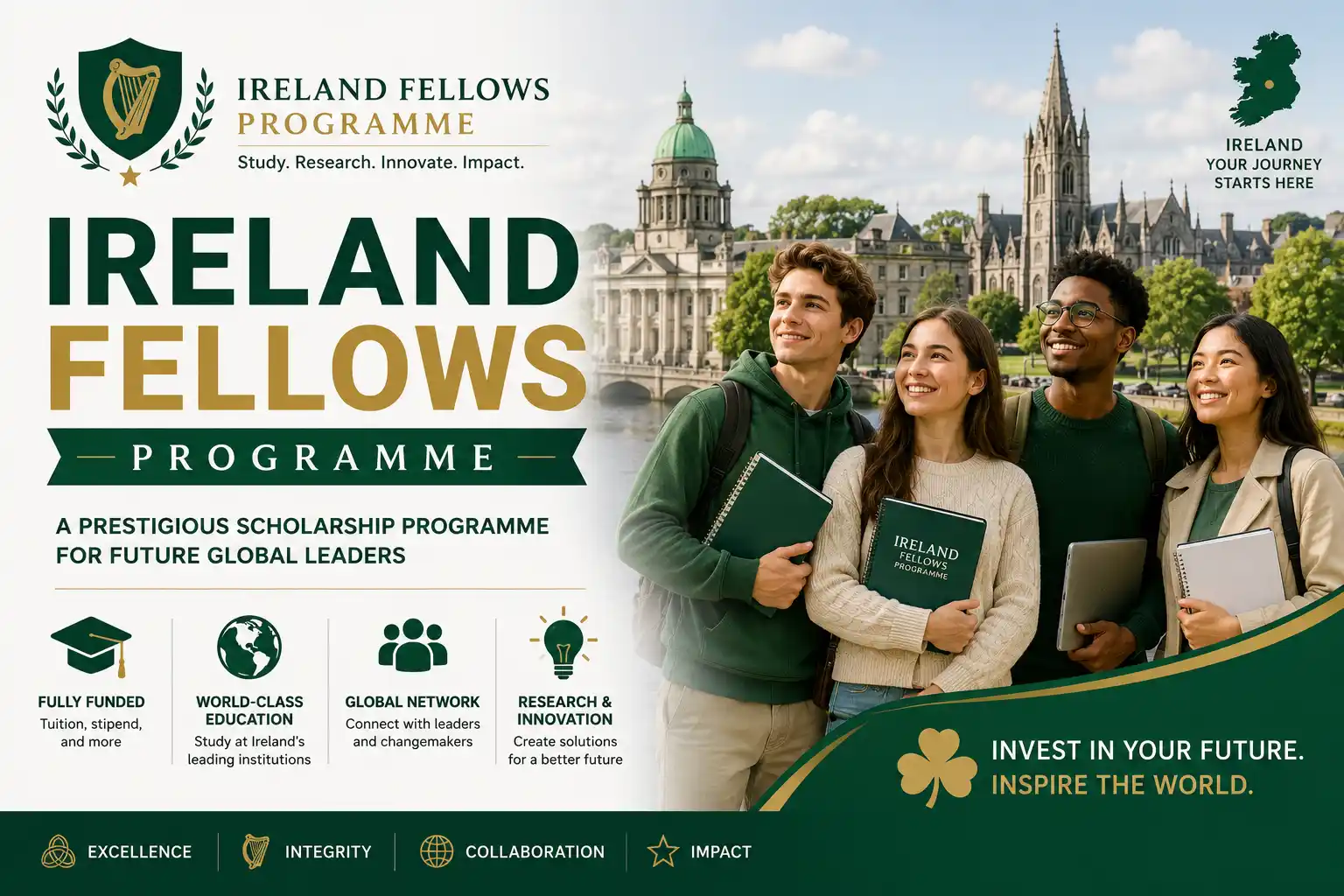 Closed
Master
Deadline: Jul 26, 2026
Closed
Master
Deadline: Jul 26, 2026
 Closed
Master
Deadline: Jul 13, 2026
Closed
Master
Deadline: Jul 13, 2026
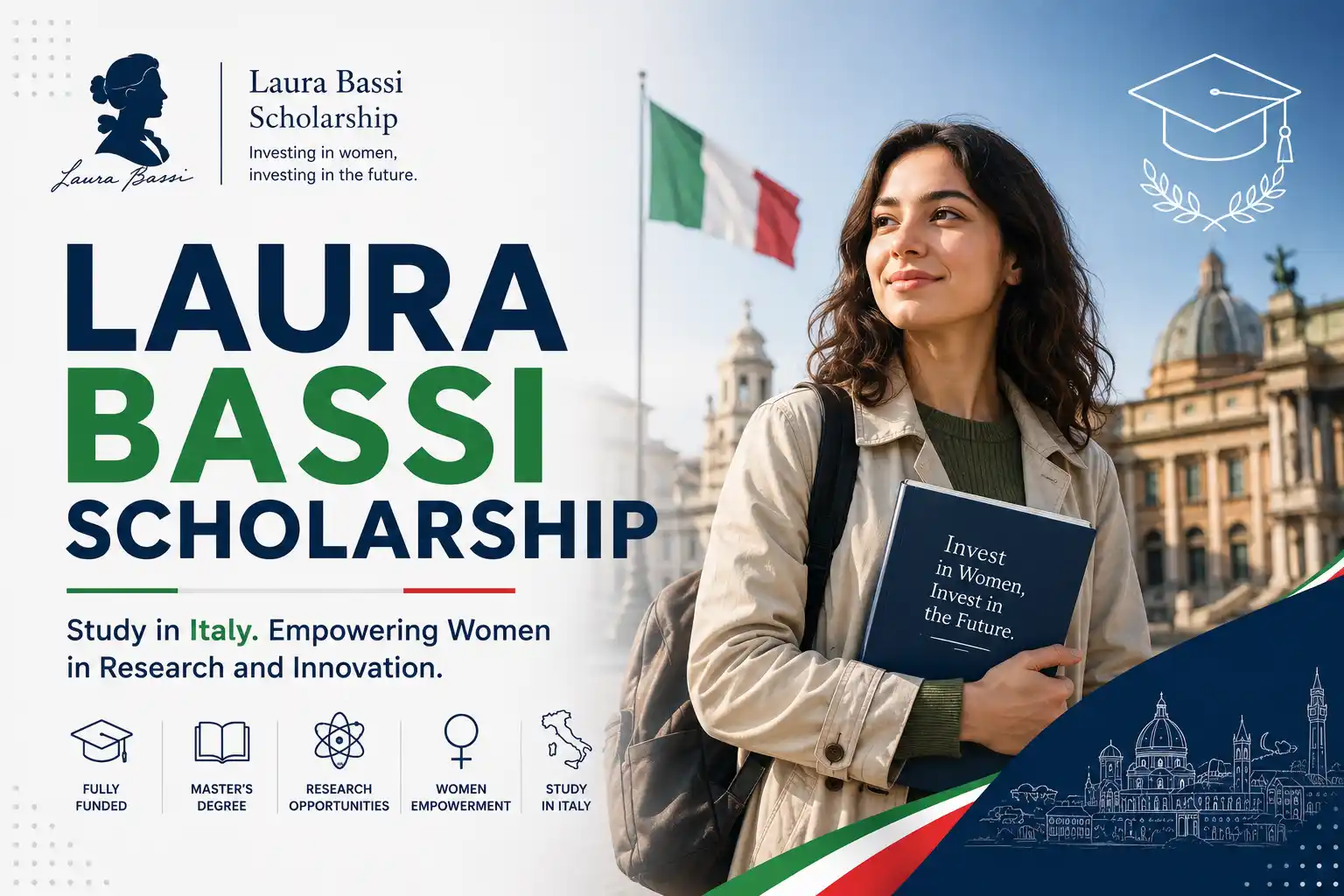 Closed
Master
Deadline: Jul 12, 2026
Closed
Master
Deadline: Jul 12, 2026
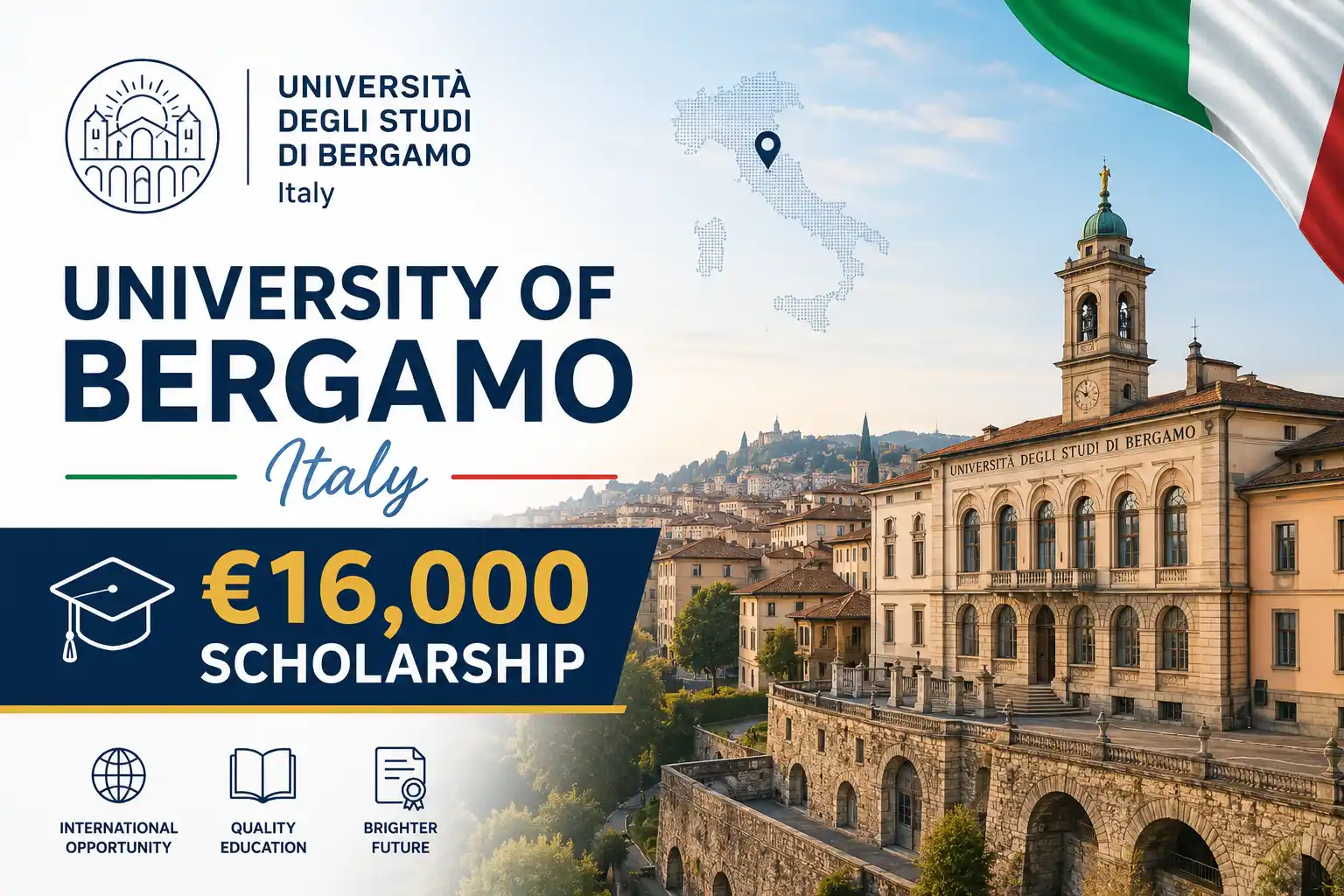 Closed
Master
Deadline: Jul 10, 2026
Closed
Master
Deadline: Jul 10, 2026
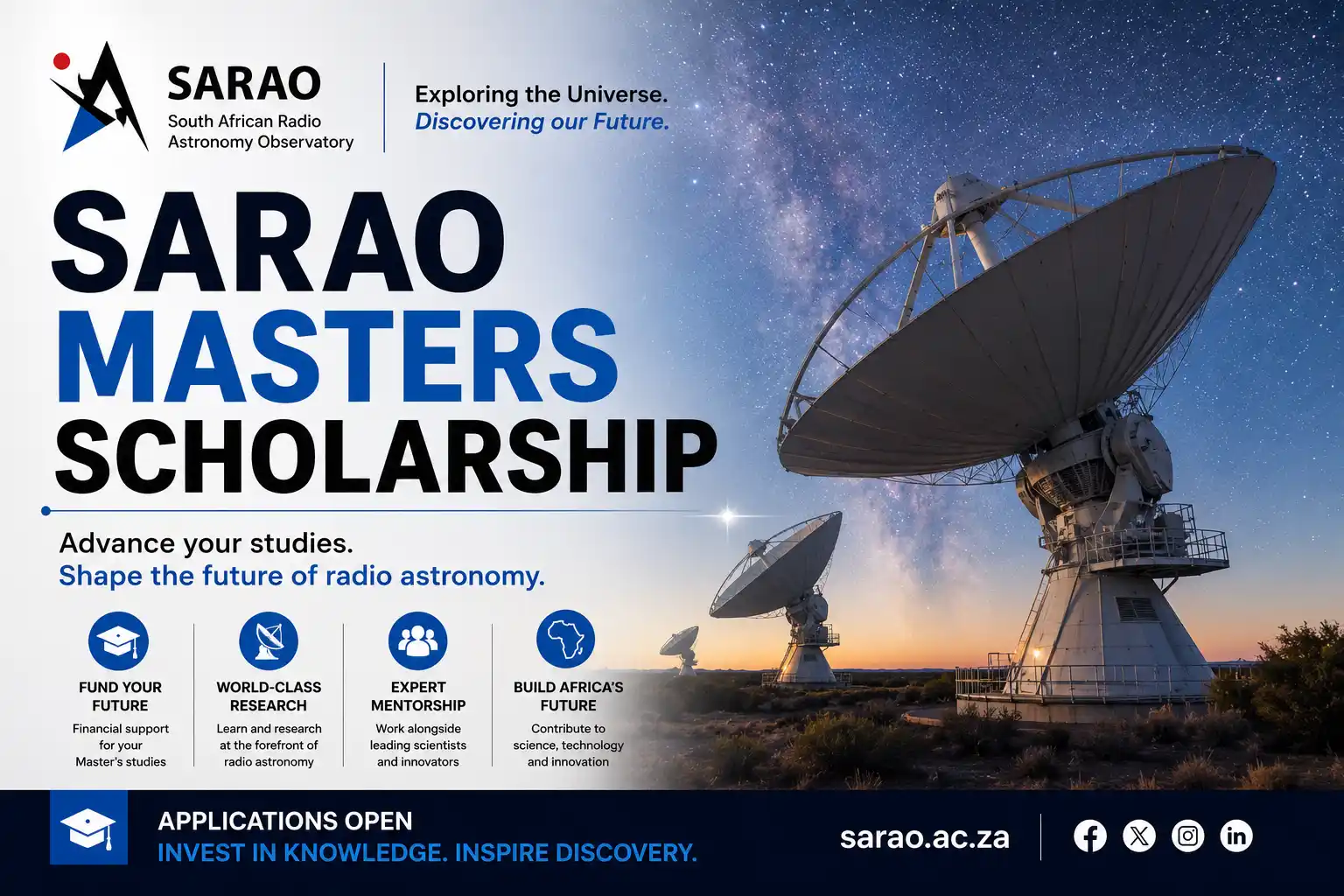 Closed
Master
Deadline: Jul 10, 2026
Closed
Master
Deadline: Jul 10, 2026
 Closed
Master
Deadline: Jul 09, 2026
Closed
Master
Deadline: Jul 09, 2026
 Closed
Master
Deadline: Jul 09, 2026
Closed
Master
Deadline: Jul 09, 2026
 Closed
Master
Deadline: Jul 09, 2026
Closed
Master
Deadline: Jul 09, 2026
 Closed
Master
Deadline: Jul 03, 2026
Closed
Master
Deadline: Jul 03, 2026
 Closed
Master
Deadline: Jul 01, 2026
Closed
Master
Deadline: Jul 01, 2026
 Closed
Master
Deadline: Jun 30, 2026
Closed
Master
Deadline: Jun 30, 2026
 Closed
Master
Deadline: Jun 22, 2026
Closed
Master
Deadline: Jun 22, 2026
 Closed
Master
Deadline: Jun 21, 2026
Closed
Master
Deadline: Jun 21, 2026
 Closed
Master
Deadline: Jun 18, 2026
Closed
Master
Deadline: Jun 18, 2026
 Closed
Master
Deadline: Jun 17, 2026
Closed
Master
Deadline: Jun 17, 2026
 Closed
Master
Deadline: Jun 15, 2026
Closed
Master
Deadline: Jun 15, 2026
 Closed
Master
Deadline: Jun 12, 2026
Closed
Master
Deadline: Jun 12, 2026
 Closed
Master
Deadline: Jun 01, 2026
Closed
Master
Deadline: Jun 01, 2026
 Closed
Master
Deadline: May 28, 2026
Closed
Master
Deadline: May 28, 2026
 Closed
Master
Deadline: May 02, 2026
Closed
Master
Deadline: May 02, 2026
 Closed
Master
Deadline: Apr 30, 2026
Closed
Master
Deadline: Apr 30, 2026
Explore opportunities, prepare your application, and secure funding for your Master's degree with courses and exam preparation resources.
When we talk about "master scholarships," we're referring to the vast and diverse range of financial aid opportunities available for students who want to pursue postgraduate studies at the master's level. A master's degree is often a crucial stepping stone toward career advancement, specialization, or even a path to a PhD, but the cost can be a significant barrier. That's where master scholarships step in to make advanced education accessible to talented students from all backgrounds. Master scholarships come from a variety of sources, governments through programs like Chevening, DAAD, and Fulbright, individual universities, private foundations, and international organizations. These opportunities are designed to attract the brightest minds from around the world and invest in their potential to become future leaders, innovators, and changemakers.
What makes the master scholarship landscape so exciting is its incredible diversity and the sheer number of options available. You'll find fully-funded scholarships that cover everything from tuition and living expenses to travel and health insurance. There are programs specifically for students from developing countries, others focused on academic excellence and leadership potential, and some tailored to specific fields like engineering, public health, business, or the arts. Many master scholarships also come with additional benefits like mentorship, networking opportunities, internships, and leadership training. Whether you're dreaming of studying at Oxford, Harvard, the Sorbonne, or a top university in Asia, Africa, or Australia, there's likely a master scholarship out there designed to help you achieve your postgraduate goals.
Choosing to pursue a master scholarship is about so much more than just avoiding student debt, although that's certainly a significant benefit. A master's degree is an investment in your future, opening doors to career advancement, higher salaries, and specialized knowledge that sets you apart in a competitive job market. But a scholarship adds an extra layer of value. Winning a prestigious master scholarship is a mark of distinction, a recognition of your potential that looks impressive on any CV. It signals to employers that you are among the best and brightest in your field, and that you have the drive and determination to succeed at the highest level.
Beyond the financial relief and the prestige, master scholarships often come with a whole ecosystem of support. Many programs include mentorship from industry experts, access to exclusive networking events with alumni and leaders in your field, and leadership development workshops that help you grow as a professional. You're not just getting money, you're joining a community of like-minded scholars from around the world who share your ambition and passion. Studying on a scholarship also allows you to focus more fully on your studies and research, rather than stressing about part-time jobs or loans. You get to make the most of every opportunity your university offers, from research projects to internships, and graduate with a strong academic record and a clear vision for your future career.
So, you're ready to take the next step in your academic journey with a master scholarship, now what? The first step is self-reflection and research. Take a close look at your academic background, your work experience, your career goals, and your personal story. What makes you unique? What challenges have you overcome? What are you genuinely passionate about studying? This clarity will help you identify scholarships that align with your profile and goals, rather than applying to every program you find and hoping something sticks. Create a spreadsheet with all the scholarships you're interested in, their deadlines, requirements, and any additional materials needed. Cast a wide net and apply to multiple opportunities to increase your chances of success.
Once you've identified your target scholarships, it's time to get organized and start preparing your application materials. Most master scholarship applications will require similar documents: academic transcripts, a motivation letter or statement of purpose, recommendation letters, a CV, proof of language proficiency (like IELTS or TOEFL), and sometimes a research proposal for research-based programs. Your motivation letter is your chance to shine, this is where you tell your story, explain why you want to pursue a master's degree, why you've chosen this specific program and university, and how this opportunity fits into your long-term career goals. Be specific, be authentic, and let your passion come through. Choose your referees carefully, pick professors or employers who know you well and can speak passionately about your abilities and character. And as always, proofread everything multiple times, ask a mentor or teacher to review it, and submit well before the deadline.
A master scholarship is more than just financial aid, it's an investment in your potential and a vote of confidence in your future. Whether you're dreaming of studying at a world-renowned university abroad or pursuing specialized research in your home country, there are scholarships out there designed to support you. The application process requires effort, dedication, and resilience, but the rewards are absolutely transformative. A master's degree opens doors, and a scholarship makes that journey accessible and often even more enriching.
Remember, the journey to securing a master scholarship starts with a single step: believing that you are worthy of this opportunity. You are talented, you are capable, and you have a unique story to tell. Don't let the fear of rejection or the complexity of the process hold you back. Start your research today, reach out to professors and advisors for guidance, and put together the best application you can. The world needs more passionate, educated leaders, and a master scholarship can help you become one of them. Go for it, your future is waiting.
There's a great variety! You'll find government-funded programs like Chevening, DAAD, and Fulbright, university-specific merit awards, foundation grants, and scholarships from international organizations. Some are fully-funded, while others offer partial support.
Yes, absolutely. Many prestigious scholarships like Chevening, DAAD, Fulbright, and the Eiffel Excellence Scholarship are fully-funded, covering tuition, living expenses, travel, and insurance.
It depends on the scholarship. Most competitive master scholarships require a strong academic record, typically a minimum GPA of 3.0 or higher on a 4.0 scale, or equivalent. However, some scholarships also consider work experience, leadership, and community involvement.
Yes, you can and should apply for as many as you're eligible for. Just be mindful of each program's rules, some may have restrictions on combining awards, while others are perfectly fine with it.
Most applications require academic transcripts, a motivation letter or statement of purpose, recommendation letters, a CV, proof of language proficiency (IELTS or TOEFL), and sometimes a research proposal.
It's extremely important. This is your chance to show the scholarship committee who you are beyond your grades. A compelling, authentic motivation letter can set you apart from hundreds of other applicants with similar academic records.
Not always, but it can be a significant advantage, especially for professional master's programs and scholarships like Chevening that value leadership and work experience. Many scholarships are designed for recent graduates too.
Absolutely. Many countries, including the UK, US, Germany, France, Australia, and others, offer generous scholarships specifically for international students at the master's level.
Start with official government scholarship portals, university websites, and reputable databases like the International Scholarships website. Be wary of any scholarship that asks you to pay money to apply, that's a major red flag for scams.
Merit-based scholarships reward academic achievement, talent, leadership potential, or professional experience. Need-based scholarships are awarded based on your financial situation and demonstrated inability to pay for your studies.
You should start researching and preparing at least 12 to 18 months before your intended start date. Many scholarship deadlines fall between September and February, but some programs have deadlines as early as the previous year.
Yes, many local governments, companies, and universities offer master scholarships for domestic students. These can sometimes be easier to get than international awards because the applicant pool is smaller.
Not necessarily. Many programs are taught in English and only require proof of English proficiency like IELTS or TOEFL. However, some countries like France, Germany, or China may require basic knowledge of their local language for daily life.
Don't get discouraged. Rejection is a normal part of the process. Learn from the experience, seek feedback if possible, and keep applying. Consider university-specific scholarships, part-time funding, or student loans as alternatives.
It varies widely. Some cover full tuition and living expenses, while others are smaller awards that help with tuition or living costs. Always read the fine print to understand exactly what's included in the scholarship package.
 Austria scholarships
 Australia scholarships
 Belgium scholarships
 Brazil scholarships Belgium scholarships
 Canada scholarships
 China scholarships CSC China scholarships
 Czech Republic scholarships
 Denmark scholarships
 Finland scholarships
 France scholarships
 Germany scholarships
 Hungary scholarships
 Indonesia scholarships
 Ireland scholarships
 Italy scholarships
 Japan scholarships
 Kenya scholarships
 Luxembourg scholarships
 Malaysia scholarships
 Nepal scholarships
 Netherlands scholarships
 Newzealand scholarships
 Nigeria scholarships
 Norway scholarships
 Pakistan scholarships
 Poland scholarships
 Portugal scholarships
 Qatar scholarships
 Russia scholarships
 Saudi Arabia scholarships
 Singapore scholarships
 South Africa scholarships
 South Korea scholarships
 Spain scholarships
 Sweden scholarships
 Switzerland scholarships
 Taiwan scholarships
 Tanzania scholarships
 Thailand scholarships
 Turkey scholarships
 UAE scholarships
 Uganda scholarships
 UK scholarships
 USA scholarships
 Vietnam scholarships