What Is the Landscape of Bachelor Scholarships?
When we talk about "bachelor scholarships," we're referring to financial aid opportunities specifically designed for students pursuing their undergraduate degrees. These are the scholarships that can turn your dream of attending a top university into a reality, whether you're aiming for a local institution or an international one. Bachelor scholarships come in all shapes and sizes, some are fully funded, covering your tuition, accommodation, meals, books, and even travel expenses, while others are partial awards that help lighten the financial burden. What unites them all is a shared purpose: to make higher education accessible to talented students who might otherwise be priced out of the opportunity.
What makes the bachelor scholarship landscape so rich is the incredible variety of options available. You'll find scholarships offered by governments, private foundations, corporations, and individual universities themselves. Some are merit-based, rewarding academic excellence and leadership potential. Others are need-based, designed to support students from low-income backgrounds. There are scholarships for specific fields of study like engineering, medicine, or the arts, and others that are open to any discipline. You'll even find scholarships targeting specific demographics, women in STEM, first-generation college students, or young people from underrepresented regions. The bottom line is this: no matter who you are or what you want to study, there's likely a bachelor scholarship out there with your name on it.
Why Should You Pursue a Bachelor Scholarship?
Let's face it, university is expensive. Tuition fees, accommodation, textbooks, and daily living costs add up quickly, and for many families, the price tag of a quality education feels completely out of reach. That's where bachelor scholarships step in to change the game. But the value of a scholarship goes far beyond the financial relief. Winning a prestigious undergraduate award gives you a massive confidence boost, it's a validation of your hard work, your potential, and your promise as a future leader. It tells the world that someone believes in you, and that belief can fuel you to achieve even greater things.
Beyond the personal validation, scholarships often come with a whole ecosystem of support. Many programs include mentorship from industry professionals, access to exclusive networking events, internship placements, and leadership development workshops. You're not just getting money; you're getting a community of like-minded peers and a network of alumni who can open doors for you throughout your career. Studying on a scholarship also allows you to focus more on your studies and extracurricular activities, rather than stressing about part-time jobs or student loans. You get to fully immerse yourself in the university experience, make the most of every opportunity, and graduate with a strong academic record and a clear vision for your future.
How Can You Successfully Secure a Bachelor Scholarship?
Securing a bachelor scholarship might feel like a daunting task, especially if you're competing against thousands of other bright students. But here's the secret: it's not just about having perfect grades. Yes, academic performance matters, but scholarship committees are looking for well-rounded individuals with passion, drive, and a clear sense of purpose. So, start early. From your very first year of high school, think about building a strong profile. Join clubs, take on leadership roles, volunteer in your community, and pursue subjects you genuinely love. These experiences will not only make you a stronger candidate but will also give you rich material to draw from when writing your personal statement.
When it's time to actually apply, organization is your best friend. Create a spreadsheet with all the scholarships you're interested in, their deadlines, requirements, and any additional materials needed. Give yourself plenty of time to write your essays, this is where you can really stand out. Your personal statement should be authentic, specific, and memorable. Tell them about a challenge you've overcome, a project you're proud of, or a dream that drives you. Don't be afraid to show vulnerability; it makes you human and relatable. Also, choose your referees carefully, pick teachers or mentors who know you well and can write passionately about your character and potential. Finally, proofread everything, get feedback from someone you trust, and submit before the deadline. Rushing is the enemy of quality, so start early and stay consistent.
Final Thoughts About Bachelor Scholarships
At the end of the day, bachelor scholarships are about more than just paying for college, they're about opening doors to a future you might have thought was impossible. They are a testament to the fact that talent and determination can overcome financial barriers, and that there are organizations and individuals out there willing to invest in your potential. But remember, the journey doesn't start when you fill out the application form. It starts with the choices you make every day, choosing to study hard, choosing to get involved, choosing to pursue your passions with courage and curiosity.
So, if you've been dreaming of a university education but felt like the cost was too high, let this be your sign to go for it. The scholarships are out there, waiting for someone like you to claim them. It won't always be easy, you might face rejection along the way, and that's okay. Every "no" is a step closer to a "yes." Stay resilient, keep improving yourself, and never underestimate the power of a well-told story. Your future is bright, and with the right scholarship, you can make it even brighter. Start your search today, put your best foot forward, and watch as doors begin to open.
Frequently Asked Questions About Bachelor Scholarships
1. What are bachelor scholarships and who are they for?
Bachelor scholarships are financial awards designed specifically for students pursuing their undergraduate degrees. They're for anyone planning to attend university or college, whether you're a high school graduate, a transfer student, or even an adult returning to education.
2. Are there fully-funded bachelor scholarships available?
Yes, absolutely! Many organizations offer full-ride scholarships that cover tuition, accommodation, meals, books, and even travel expenses. These are highly competitive but life-changing if you win them.
3. What grades do I need to qualify for a bachelor scholarship?
It depends on the scholarship. Some are merit-based and require top grades, while others focus more on leadership, community service, or financial need. Generally, a strong academic record will always help your application.
4. Can I apply for multiple bachelor scholarships at the same time?
Yes, you can and should apply for as many as you're eligible for. Just be mindful of each program's rules, some may have restrictions on combining awards, while others are perfectly fine with it.
5. What documents do I typically need for scholarship applications?
Most applications require your high school transcripts, a personal statement or essay, letters of recommendation, a CV or resume, and sometimes proof of financial need. Always check the specific requirements for each scholarship.
6. How important is the personal statement or essay?
It's extremely important. This is your chance to show the scholarship committee who you are beyond your grades. A compelling, authentic essay can set you apart from hundreds of other applicants with similar academic records.
7. Do I need to be a straight-A student to win a scholarship?
Not necessarily. While good grades help, many scholarships value leadership, community involvement, resilience, and passion just as much. A well-rounded profile often beats a perfect transcript with no extracurriculars.
8. Can international students get bachelor scholarships?
Absolutely. Many countries, especially the US, UK, Canada, Australia, and European nations, offer generous scholarships specifically for international undergraduate students. There are also scholarships from foundations and corporations.
9. How do I find legitimate bachelor scholarships?
Start with official university websites, government scholarship portals, and reputable databases. Be wary of any scholarship that asks you to pay money to apply, that's a major red flag for scams.
10. What is the difference between merit-based and need-based scholarships?
Merit-based scholarships reward academic achievement, talent, or leadership potential. Need-based scholarships are awarded based on your family's financial situation and ability to pay for college.
11. When should I start applying for bachelor scholarships?
Ideally, you should start researching and preparing during your junior year of high school. Many scholarship deadlines fall between September and January of your senior year, so starting early gives you a huge advantage.
12. Can I get a scholarship for studying in my own country?
Yes, many local governments, companies, and universities offer scholarships for domestic students. These can sometimes be easier to get than international awards because the applicant pool is smaller.
13. Do I need to know a second language for international scholarships?
Not always. Many programs are taught in English and only require proof of English proficiency like TOEFL or IELTS. However, some countries like France, Germany, or China may require basic knowledge of their local language.
14. What should I do if I don't win any scholarships?
Don't get discouraged. Rejection is a normal part of the process. Learn from the experience, seek feedback if possible, and keep applying. There are many opportunities, and persistence often pays off in the end.
15. How much does a bachelor scholarship typically cover?
It varies widely. Some cover full tuition and living expenses, while others are smaller awards of a few hundred or thousand dollars to help with books or fees. Always read the fine print to understand exactly what's included.

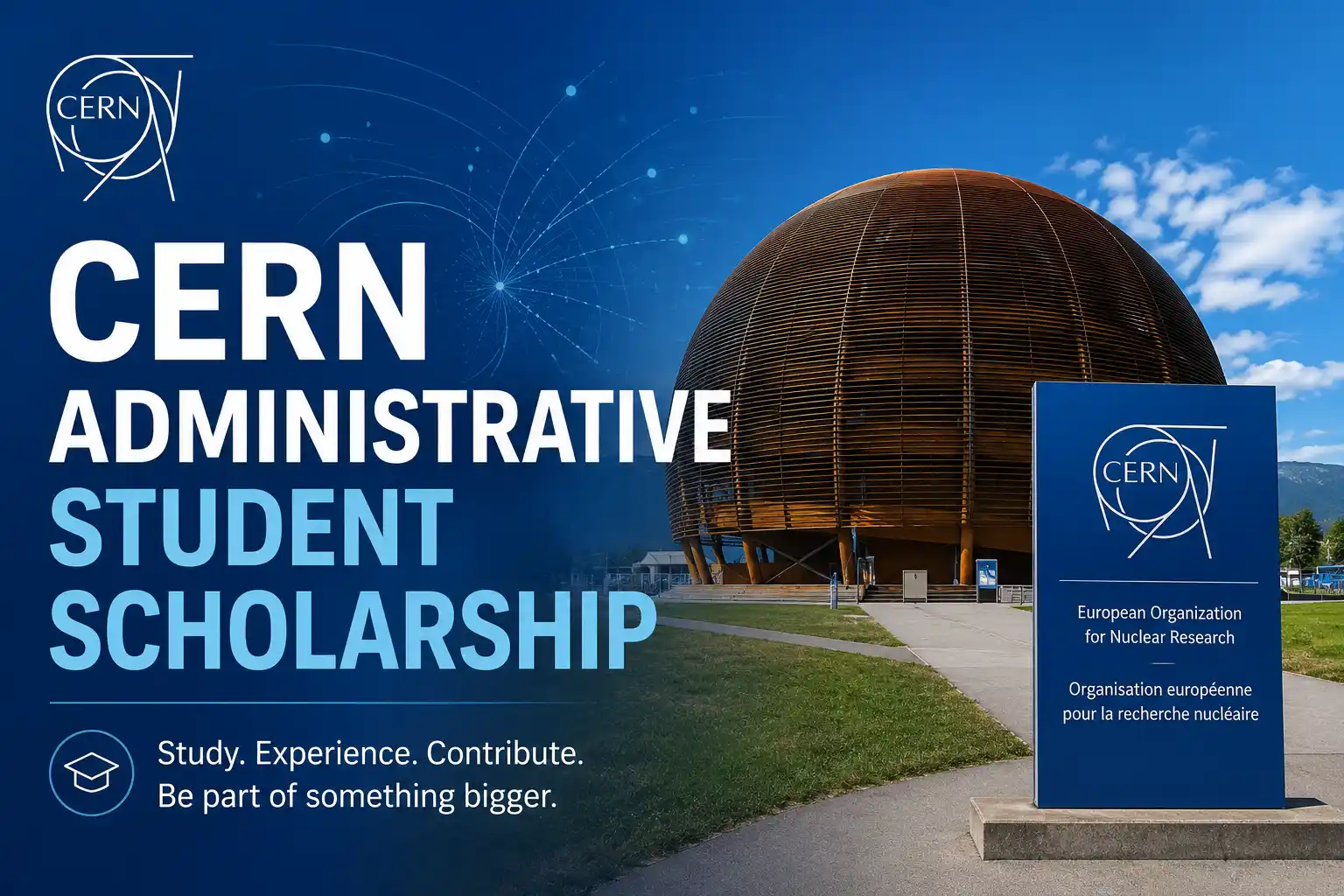
 Open
Bachelor
Deadline: Jun 30, 2027
Open
Bachelor
Deadline: Jun 30, 2027



















































 Austria scholarships
 Australia scholarships
 Belgium scholarships
 Brazil scholarships
 Canada scholarships
 China scholarships
 Czech Republic scholarships
 Denmark scholarships
 Finland scholarships
 France scholarships
 Germany scholarships
 Hungary scholarships
 Indonesia scholarships
 Ireland scholarships
 Italy scholarships
 Japan scholarships
 Kenya scholarships
 Luxembourg scholarships
 Malaysia scholarships
 Nepal scholarships
 Netherlands scholarships
 Newzealand scholarships
 Nigeria scholarships
 Norway scholarships
 Pakistan scholarships
 Poland scholarships
 Portugal scholarships
 Qatar scholarships
 Russia scholarships
 Saudi Arabia scholarships
 Singapore scholarships
 South Africa scholarships
 South Korea scholarships
 Spain scholarships
 Sweden scholarships
 Switzerland scholarships
 Taiwan scholarships
 Tanzania scholarships
 Thailand scholarships
 Turkey scholarships
 UAE scholarships
 Uganda scholarships
 UK scholarships
 USA scholarships
 Vietnam scholarships