What Is the Landscape of Europe Scholarships?
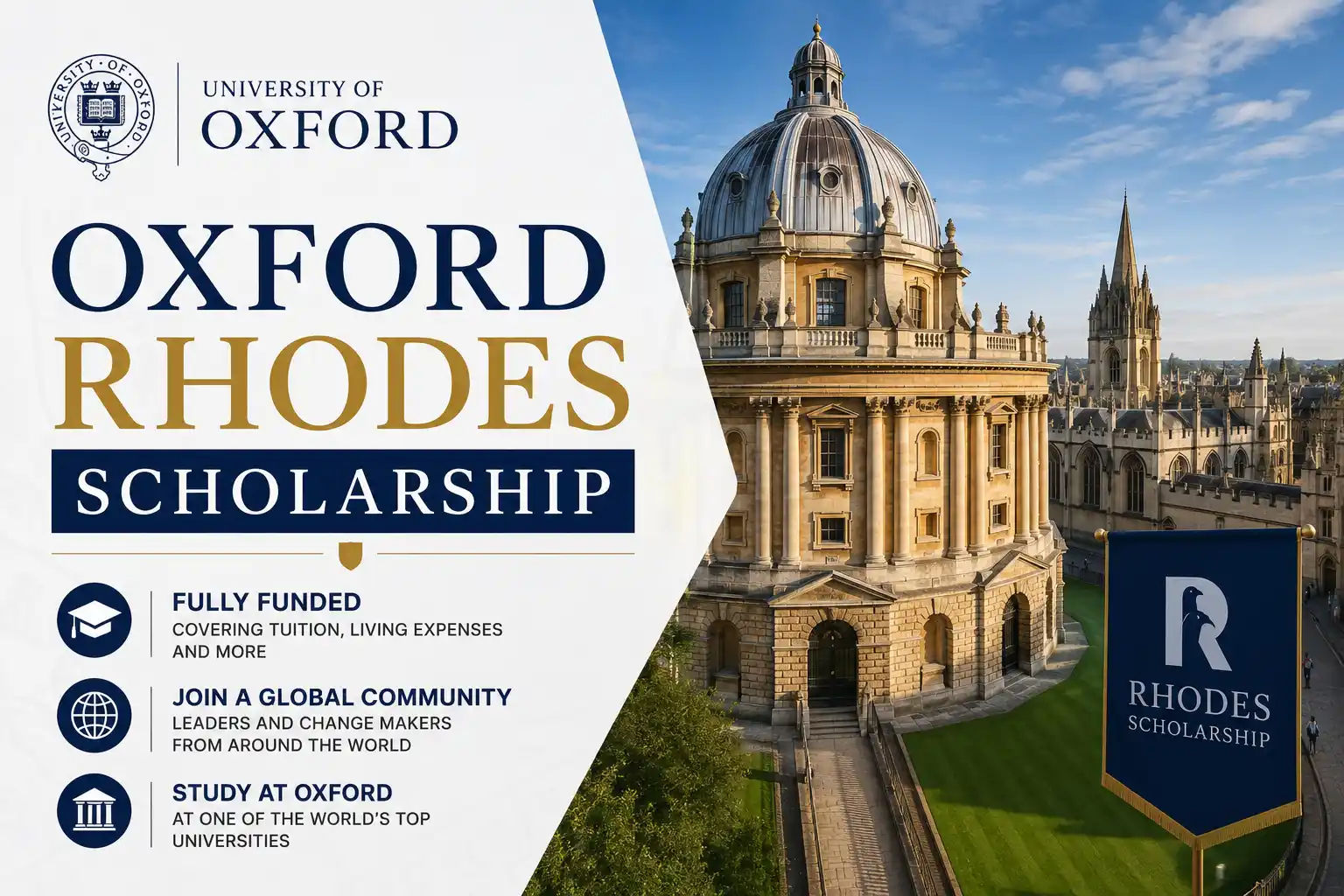
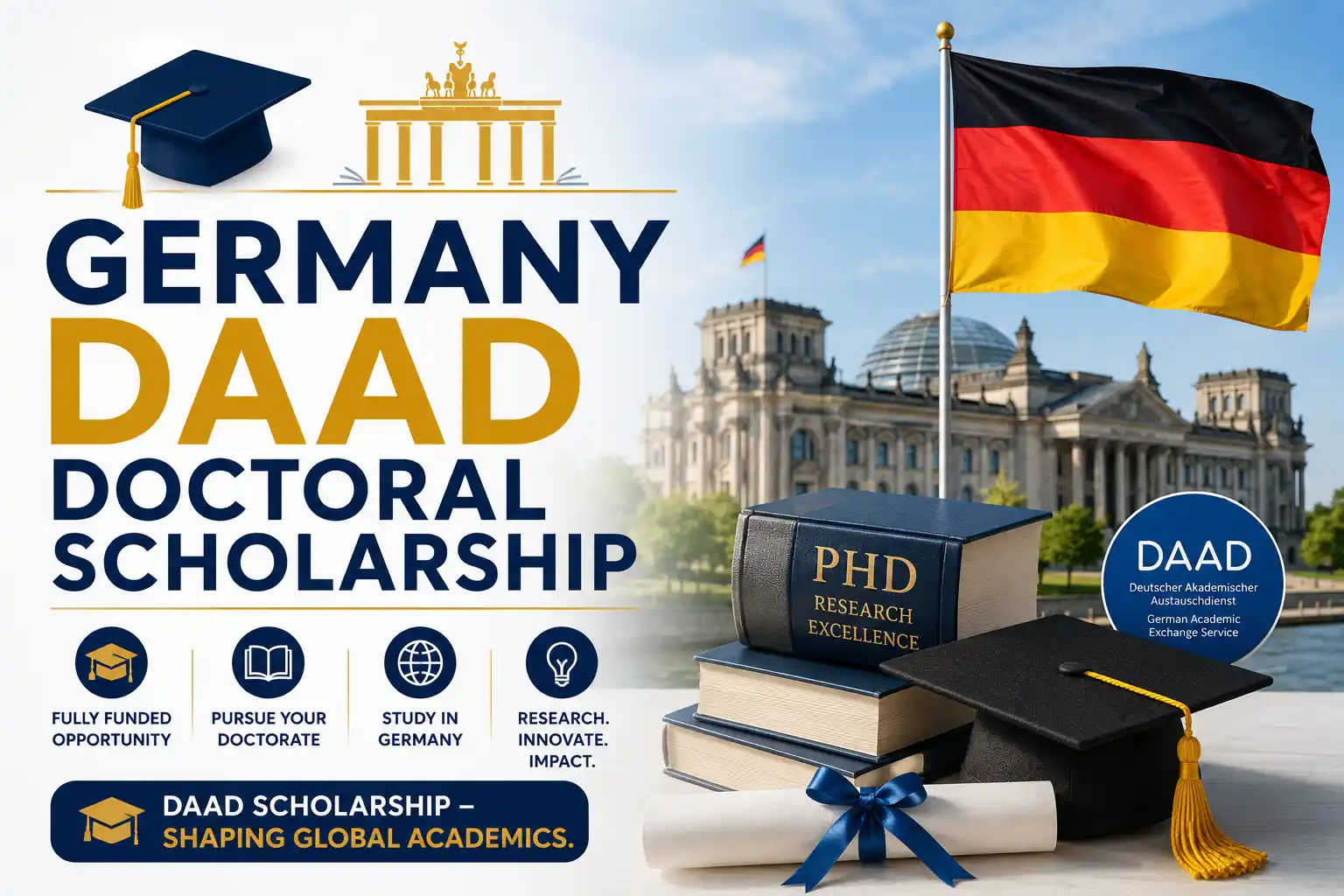
When we talk about "europe scholarships," we're referring to the vast and diverse array of financial aid opportunities available for students who dream of studying on the European continent. Europe is home to some of the oldest and most prestigious universities in the world, and its scholarship landscape is just as rich and varied as its history. From the Erasmus+ program that promotes exchange across the continent, to the DAAD scholarships in Germany, the Chevening Scholarships in the UK, and the Eiffel Excellence Scholarship in France, there are opportunities for almost every type of student. These scholarships are offered by governments, universities, the European Union, and private foundations, all with the goal of attracting international talent to Europe's world-class institutions.
What makes the European scholarship landscape so appealing is its incredible diversity. You'll find scholarships for every level of study, from bachelor's degrees to master's programs and PhD research. There are opportunities for students from every region of the world, programs focused on specific fields like STEM, humanities, or social sciences, and scholarships designed to promote cultural exchange, academic excellence, or development cooperation. Europe's unique position as a hub of innovation, culture, and history means that studying here on a scholarship is not just about getting a degree, it's about becoming part of a global community of thinkers, creators, and changemakers.
Why Should You Pursue a Scholarship in Europe?
Choosing to pursue a scholarship in Europe is about far more than just financial support, it's about accessing a world-class education in a continent that values knowledge, innovation, and cultural exchange. European universities consistently rank among the best in the world, and a degree from a top European institution can open doors to careers anywhere on the globe. Whether you're interested in the engineering excellence of Germany, the business schools of the UK and France, the design and fashion of Italy, or the research hubs of Scandinavia, Europe has something for every ambition. The academic standards are high, the teaching is often research-driven, and you'll be learning alongside some of the brightest minds from around the world.
Beyond academics, studying in Europe is an adventure like no other. The continent is small enough that you can travel between countries easily, experiencing different cultures, languages, and cuisines in a single weekend. You could be sipping coffee in a Parisian café on Friday, hiking in the Swiss Alps on Saturday, and exploring ancient ruins in Rome on Sunday. Europe is also known for its high quality of life, excellent public transport, and strong social systems. Many Europe scholarships are fully funded, covering tuition, living expenses, and travel, making this dream more accessible than ever. When you add a scholarship into the mix, you're looking at a life-changing experience that combines academic excellence with unparalleled cultural exploration.
How Can You Successfully Secure a Europe Scholarship?
So, you've set your heart on studying in Europe, now what? The first step is understanding the different types of scholarships available and which ones you're eligible for. Start by asking yourself some key questions: What level of study are you pursuing? What is your nationality? What are your academic strengths and interests? The answers will help you narrow down the vast field of opportunities. For example, the Erasmus+ program is open to students from all over the world and offers scholarships for master's degrees and exchanges. The DAAD scholarship is primarily for students from developing countries, while the Chevening scholarship is for future leaders from around the world. Many European universities also offer their own merit-based and need-based scholarships, so don't forget to check the websites of the institutions you're interested in.
Once you've identified your target scholarships, it's time to get organized. Most applications will require similar documents: academic transcripts, a motivation letter, recommendation letters, proof of language proficiency, and sometimes a research proposal for postgraduate studies. Your motivation letter is your chance to tell your story, explain why you want to study in Europe, and articulate how this opportunity fits into your long-term goals. Be specific about the university, the program, and what you hope to achieve. Show genuine enthusiasm and a clear vision for how you'll contribute to your field and community. And as always, proofread everything, ask for feedback, and submit well before the deadline. Rushing is the enemy of quality, so start early and stay consistent.
Final Thoughts About Europe Scholarships
Europe is a continent of endless possibilities, and its scholarships are designed to make those possibilities accessible to talented students from every corner of the globe. Whether you're drawn to the ancient universities of the UK, the technical excellence of Germany, the artistic soul of Italy, or the innovative spirit of Scandinavia, there is a scholarship waiting for you. The application process is competitive, but it's also a journey of self-discovery, an opportunity to clarify your goals, refine your story, and connect with people who believe in your potential.
Remember, the journey to securing a Europe scholarship starts with a single step: believing that you deserve this opportunity. You are talented, you are capable, and you have a unique voice that deserves to be heard. Don't let the fear of rejection or the complexity of the application process hold you back. Start your research today, reach out to university advisors, connect with alumni of programs you're interested in, and put together the best application you can. Europe is waiting to welcome you with open arms, incredible food, rich history, and an education that will set you up for a bright future. Go for it, your European adventure is waiting.
Frequently Asked Questions About Europe Scholarships
1. What types of scholarships are available for studying in Europe?
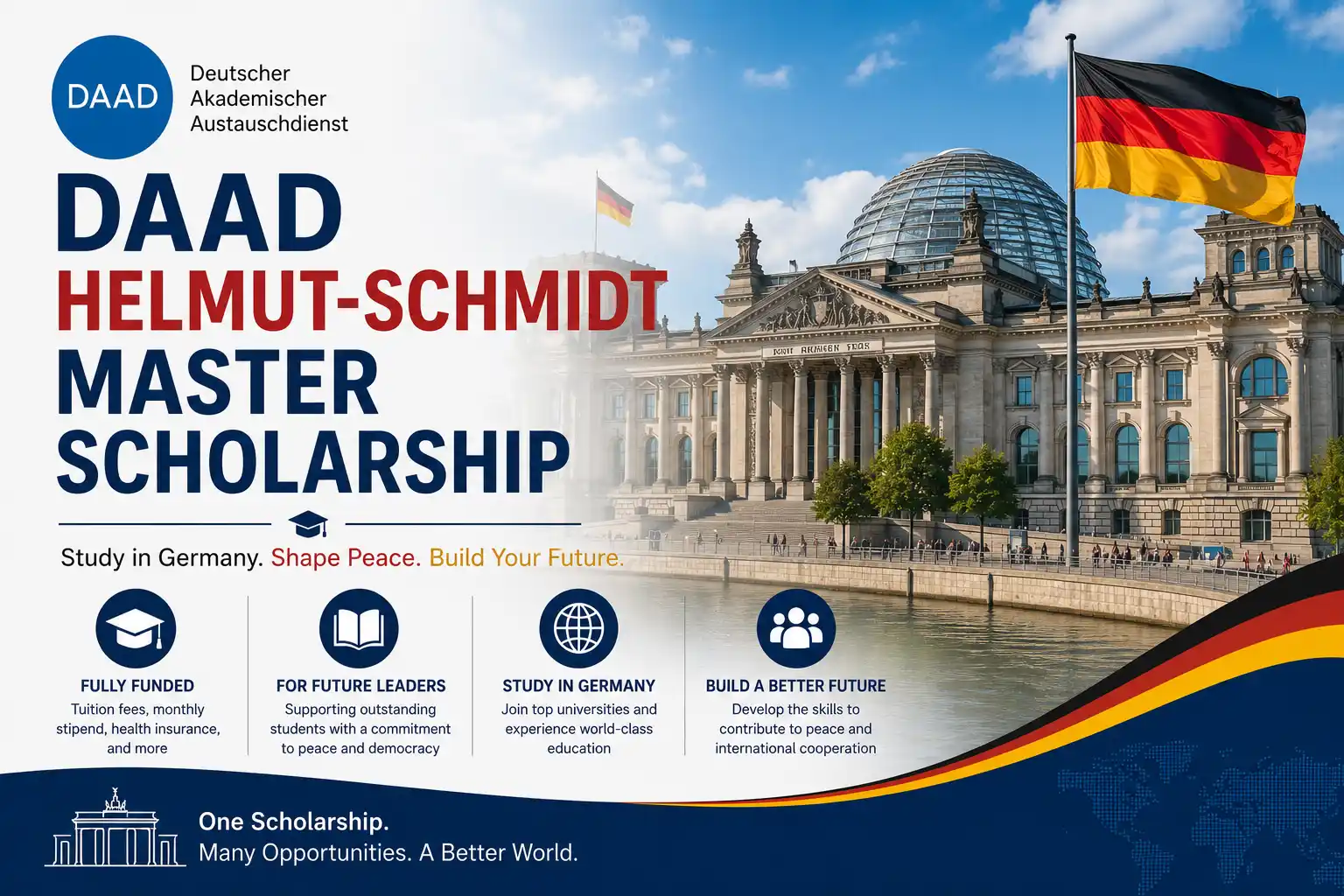
There's an incredible variety! You'll find government-funded programs like DAAD (Germany), Chevening (UK), and Eiffel (France), EU-wide programs like Erasmus+, university-specific scholarships, and private foundation grants for every level of study.
2. Are there fully-funded scholarships for international students in Europe?
Yes, absolutely. Many Europe scholarships are fully-funded, covering tuition, living expenses, travel, and health insurance. The Erasmus Mundus Joint Master's programs and the DAAD scholarships are excellent examples.
3. Do I need to speak a European language to study in Europe?
Not necessarily. There are thousands of English-taught programs across Europe, especially at the master's and PhD levels. However, learning the local language will greatly enhance your experience and opportunities.
4. What is the Erasmus+ program and who is it for?
Erasmus+ is the European Union's flagship program for education, training, and youth. It offers scholarships for master's degrees, exchanges, and internships for students from all over the world.
5. Can I work while studying on a scholarship in Europe?
In most European countries, international students are allowed to work part-time during their studies, usually up to 20 hours per week. However, always check your specific scholarship rules, as some may have restrictions.
6. Are there scholarships specifically for African students in Europe?
Yes, many European scholarships target African students, especially through programs like DAAD, Erasmus+, and various bilateral agreements between European and African countries.
7. What documents do I need for Europe scholarship applications?
Typical requirements include academic transcripts, a motivation letter, CV, recommendation letters, proof of language proficiency, and sometimes a research proposal for postgraduate studies.
8. How much does it cost to live in Europe as a student?
Living costs vary widely across Europe. Western and Northern Europe (like the UK, France, and Scandinavia) are more expensive, while Eastern and Southern Europe (like Poland, Portugal, and Hungary) are much more affordable. You can expect to spend anywhere from €700 to €1,500 per month.
9. When are the deadlines for Europe scholarship applications?
Deadlines vary by program. Many government scholarships like Chevening and DAAD close between October and February. Erasmus+ programs usually have deadlines between January and March. University-specific scholarships often have later deadlines, but always check early.
10. Can I apply for a Europe scholarship without IELTS?
Some programs accept alternative proof of English proficiency, such as a certificate from your previous university stating that you studied in English. However, most English-taught programs will require an official test score like IELTS or TOEFL.
11. Are there scholarships for European students to study abroad?
Yes, the Erasmus+ program also supports European students to study abroad in other countries. Many European governments also offer scholarships for their citizens to study outside Europe.
12. What are the best universities in Europe for international students?
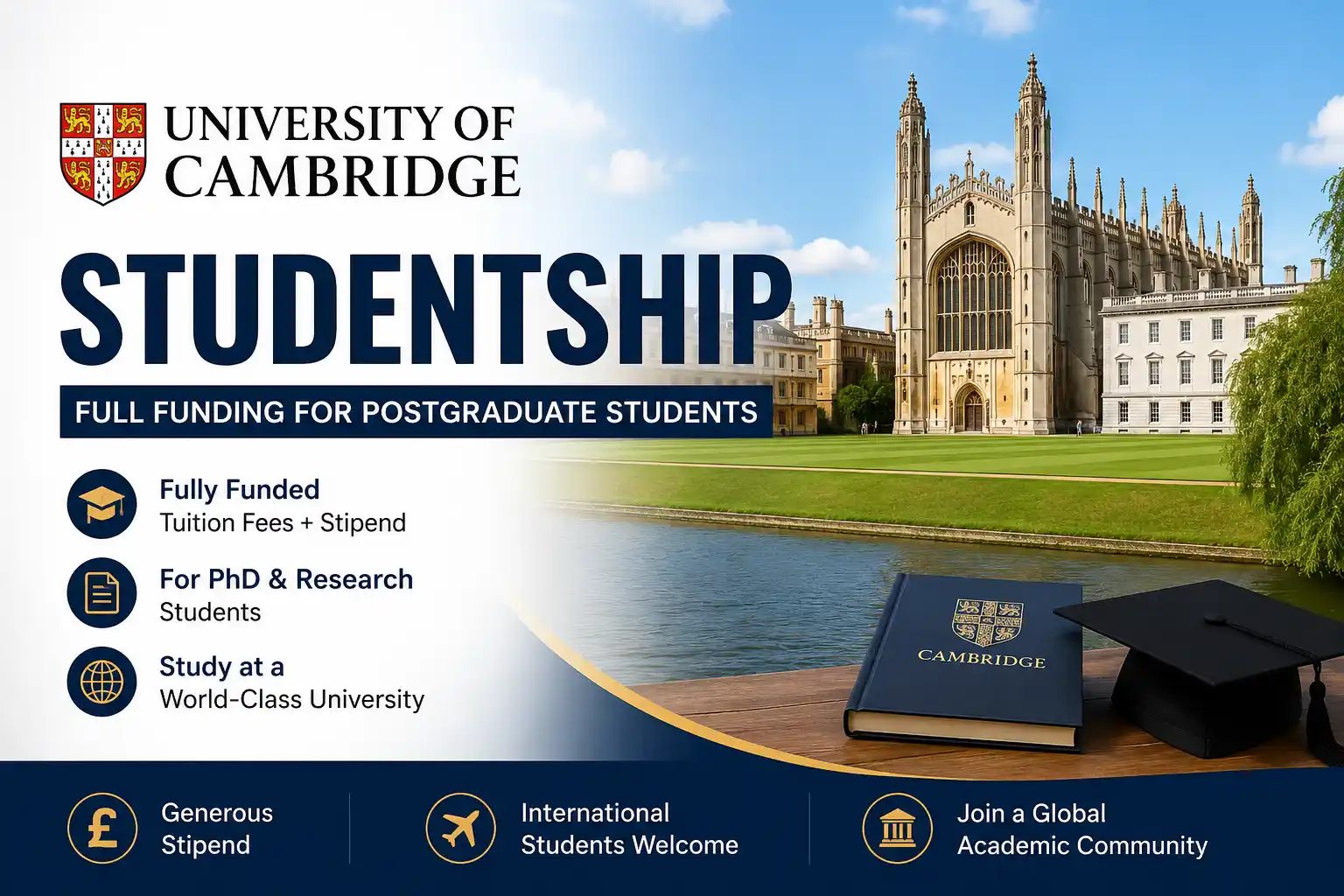
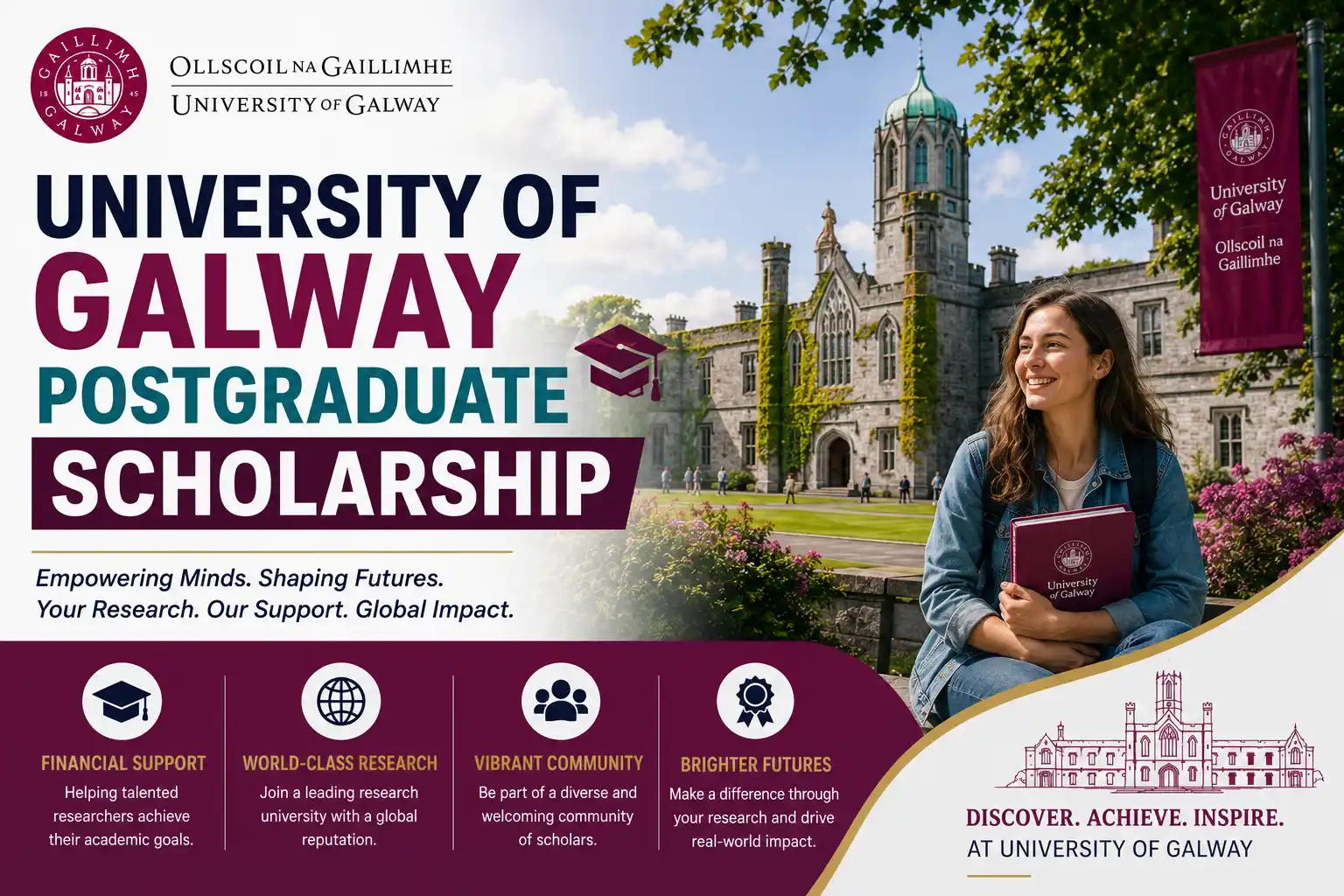
Top choices include the University of Oxford and University of Cambridge (UK), ETH Zurich (Switzerland), Technical University of Munich (Germany), Sorbonne University (France), and University of Copenhagen (Denmark), among many others.
13. Do I need health insurance for studying in Europe?
Yes, health insurance is mandatory for all international students in Europe. Many scholarships include insurance coverage, but if not, you'll need to arrange it yourself. Some countries require you to purchase local health insurance.
14. Can I stay in Europe after graduating?
Yes, many European countries offer job-seeking visas that allow graduates to stay for a certain period (usually 6-12 months) to look for work. Some countries also offer pathways to permanent residency.
15. How competitive are Europe scholarships?
They are quite competitive, especially fully-funded programs like Chevening, DAAD, and Erasmus Mundus. However, with a strong academic record, a compelling personal story, and careful preparation, you have a real chance of success. Many students win these scholarships every year!

 Austria scholarships
 Belgium scholarships
 Finland scholarships
 France scholarships
 Germany scholarships
 Hungary scholarships
 Italy scholarships
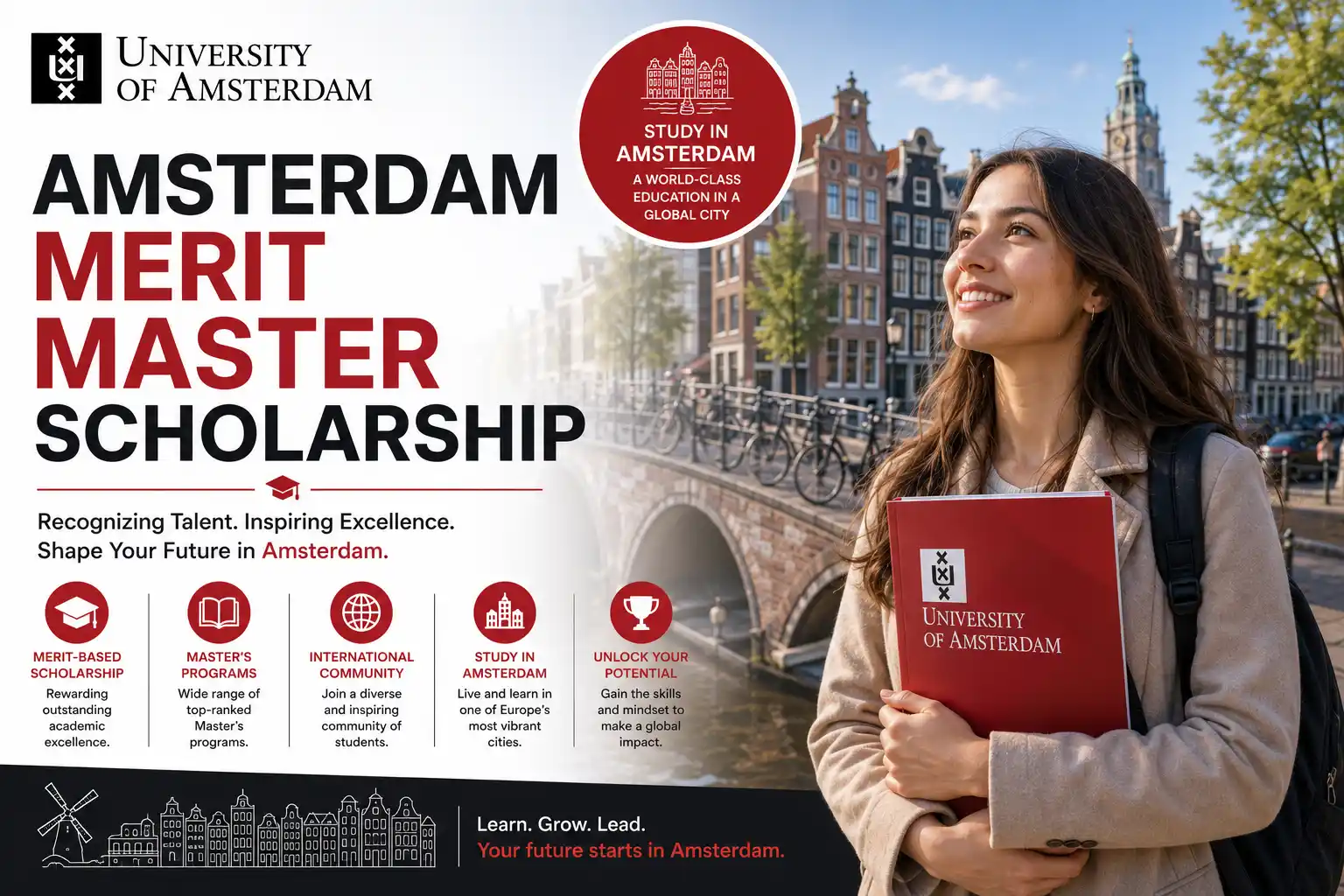
 Netherlands scholarships
 Norway scholarships
 Poland scholarships
 Romania scholarships
 Spain scholarships
 Sweden scholarships
 Turkey scholarships
 Open
Bachelor
🇪🇺 Germany
Deadline: Oct 15, 2026
🔥 1d left
Open
Bachelor
🇪🇺 Germany
Deadline: Oct 15, 2026
🔥 1d left





























































 Australia scholarships
 Brazil scholarships
 Canada scholarships
 China scholarships
 Czech Republic scholarships
 Denmark scholarships
 Indonesia scholarships
 Ireland scholarships
 Japan scholarships
 Kenya scholarships
 Luxembourg scholarships
 Malaysia scholarships
 Nepal scholarships
 Newzealand scholarships
 Nigeria scholarships
 Pakistan scholarships
 Portugal scholarships
 Qatar scholarships
 Russia scholarships
 Saudi Arabia scholarships
 Singapore scholarships
 South Africa scholarships
 South Korea scholarships
 Switzerland scholarships
 Taiwan scholarships
 Tanzania scholarships
 Thailand scholarships
 UAE scholarships
 Uganda scholarships
 UK scholarships
 USA scholarships
 Vietnam scholarships