What Is the Landscape of PhD Scholarships?
When we talk about "phd scholarships," we're referring to the extensive and
competitive range of financial aid opportunities available for students who want to pursue the
highest level of academic achievement, a Doctor of Philosophy degree. A PhD is a significant
commitment, often taking three to six years of intensive research and study, and the costs can
be substantial. Scholarships for PhD students come from various sources,
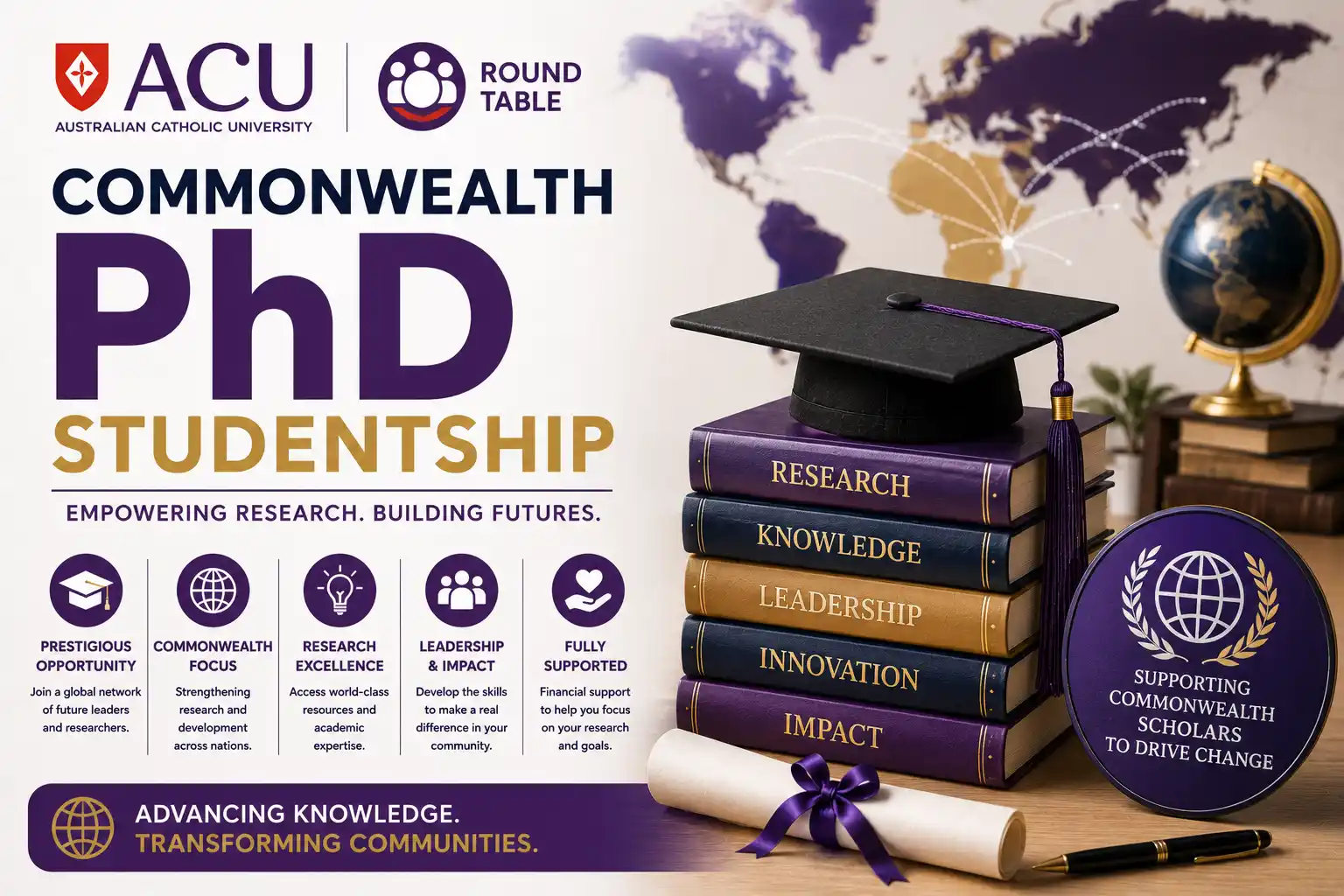
governments through programs like the Fulbright and Commonwealth
Scholarships, universities, research councils, private foundations, and
corporations. These opportunities are designed to support the next generation of researchers,
academics, and thought leaders, ensuring that financial barriers don't prevent brilliant minds
from contributing to the world's knowledge.
What makes the PhD scholarship landscape so vast and exciting is the incredible
diversity of fields and opportunities available. You'll find scholarships for every discipline,
from the humanities and social sciences to STEM fields, medicine, and the arts. There are
fully-funded PhD scholarships that cover tuition, living expenses, research
costs, and even travel for conferences. Some programs include teaching or research
assistantships that provide additional income and valuable experience. There are scholarships
specifically for international students, for underrepresented groups, and for those pursuing
research in areas of global importance like climate change, public health, and artificial
intelligence. Whether you dream of becoming a university professor, leading research in a
cutting-edge lab, or applying your expertise to solve real-world problems, there's likely a
scholarship that can help make your PhD dream a reality.
Why Should You Pursue a PhD Scholarship?
Choosing to pursue a PhD scholarship is about so much more than just getting
free tuition, it's about gaining the freedom and resources to dedicate yourself fully to your
research. A PhD is a marathon, not a sprint, and financial stress can be a major distraction
from the deep thinking and sustained effort that quality research requires. A good scholarship
removes that burden, allowing you to focus on your studies, immerse yourself in your research,
and produce work that can genuinely contribute to your field. Winning a PhD scholarship is also
a significant validation of your potential as a researcher, signaling to future employers and
collaborators that you are among the best in your cohort.
Beyond the financial support, PhD scholarships often come with a wealth of additional benefits.
Many include mentorship opportunities, access to exclusive research
networks, funding for conference travel, and professional
development workshops. You'll be joining a community of scholars and researchers
who share your passion, and the connections you make during your PhD can open doors throughout
your career. Whether you want to stay in academia, move into industry, or work in policy and
government, a PhD with scholarship backing gives you a strong foundation. It's not just about
getting a degree, it's about becoming a leader in your field and making a lasting impact through
your research.
How Can You Successfully Secure a PhD Scholarship?
So, you've decided that a PhD is your path, now what? The application process for PhD
scholarships is rigorous and highly competitive, but with the right strategy, it's absolutely
achievable. The first and most critical step is identifying potential
supervisors whose research aligns with your interests. This is not optional, it's
essential. You need to read their recent publications, understand their work, and then reach out
with a well-crafted email that shows you've done your homework. Express genuine interest in
their research and ask if they are accepting students for the upcoming cycle. Securing a
supervisor's support is often the key to being admitted to a program and considered for
scholarships.
Once you have a supervisor's interest, you'll need to develop a strong research
proposal that outlines your intended research question, methodology, and
significance. This is arguably the most important document in your application. It needs to be
clear, focused, and feasible, and it must demonstrate that you understand the existing
literature and can contribute something original. In addition to the proposal, you'll need
academic transcripts, a CV that highlights your research
experience and publications, strong recommendation letters from professors who
can speak to your research potential, and proof of English proficiency if
required. Your personal statement should tell your story, explain why you want
to pursue a PhD, and articulate your long-term career goals. And as always, start early,
proofread everything, and submit well before the deadline.
Final Thoughts About PhD Scholarships
A PhD is one of the most challenging and rewarding journeys you can undertake, and PhD
scholarships are the vehicles that make this journey accessible to talented
students from all backgrounds. Whether you're driven by a passion for discovery, a desire to
contribute to your field, or a commitment to solving pressing global problems, there is a
scholarship out there that recognizes your potential. The application process requires
dedication, resilience, and a willingness to put yourself out there, but the rewards, a
world-class education, lifelong research networks, and the opportunity to make a genuine impact,
are immeasurable.
Remember, the journey to securing a PhD scholarship starts with a single step:
believing that your research matters. You have a unique perspective, a valuable question, and
the drive to find answers. Don't let the fear of rejection or the competitive nature of academia
hold you back. Start your research today, reach out to potential supervisors, refine your
proposal, and put together the best application you can. The academic world is waiting for your
contributions, and with the right scholarship, you can make sure your voice is heard. Go for it,
your PhD adventure is waiting.
Frequently Asked Questions About PhD Scholarships
1. What types of PhD scholarships are available?
There's a fantastic variety! You'll find government-funded scholarships like
Fulbright and Commonwealth, university-specific awards, research
council grants, corporate sponsorships, and foundation
fellowships. Some cover full tuition and living expenses, while others are
partial awards or top-up grants.
2. Are there fully-funded PhD scholarships for international students?
Yes, absolutely! Many countries, including the US, UK, Canada, Australia, and
European nations, offer fully-funded PhD scholarships for international
students. These typically cover tuition, living stipend, and research costs.
3. How important is the research proposal for a PhD scholarship?
It's extremely important. The research proposal is often the most critical
part of your application. It demonstrates your ability to think critically, formulate a
research question, and design a feasible study. A strong proposal can make you stand out
from hundreds of applicants.
4. Do I need to contact a supervisor before applying?
Yes, in most cases, contacting a potential supervisor before applying is
essential. It helps you understand if they are accepting students, aligns your research
interests, and often increases your chances of admission and scholarship success.
5. What documents do I need for PhD scholarship applications?
Typical requirements include academic transcripts, a research
proposal, a CV, recommendation letters, a
personal statement, proof of English proficiency (IELTS or
TOEFL), and sometimes writing samples or publications.
6. How competitive are PhD scholarships?
They are highly competitive, especially at top universities and for
fully-funded positions. However, with a strong academic record, a compelling research
proposal, and the right supervisor support, you have a real chance of success.
7. Can I work while doing a PhD on a scholarship?
Most PhD scholarships allow you to work, often as a teaching or research
assistant. These roles provide valuable experience and additional income.
However, always check your specific scholarship rules, as some may restrict outside work.
8. When should I start applying for PhD scholarships?
You should start at least 12-18 months in advance. This gives you time to
research programs, contact supervisors, write a strong proposal, gather documents, and meet
often early deadlines. Many PhD applications are due between October and
January.
9. Are there age limits for PhD scholarships?
Most PhD scholarships do not have age limits. However, some
government-funded programs may have age restrictions, so always check the specific
eligibility criteria for each scholarship.
10. Can I apply for a PhD scholarship without publications?
Yes, many students get PhD scholarships without any publications. While
publications are an advantage, especially in some STEM fields, a strong research proposal,
good grades, and excellent recommendation letters can be equally important.
11. What is the difference between a PhD scholarship and a PhD fellowship?
The terms are often used interchangeably, but generally, a scholarship is
based on academic merit, while a fellowship may also include additional
components like professional development, mentorship, and community engagement. Fellowships
often have more holistic selection criteria.
12. Can I change my research topic after winning a scholarship?
It depends on the scholarship and university rules. Some allow flexibility, while others
require you to stick to the proposed research. It's always best to discuss this with your
supervisor and the scholarship administrator if you need to make changes.
13. Do I need to speak the local language for a PhD scholarship abroad?
Not necessarily. Many PhD programs are conducted in English, especially in
Europe and Asia. However, learning some of the local language can greatly enhance your
experience and integration into the community.
14. What happens if I don't complete my PhD while on a scholarship?
Most scholarships have terms and conditions. You may be required to repay some or all
of the funding if you withdraw or don't complete your degree. It's important to
understand the obligations before accepting a scholarship.
15. Can I bring my family with me on a PhD scholarship?
Many PhD scholarships include dependent allowances or allow you to bring
family members, but this varies by program. You'll need to check the specific terms of your
scholarship and the visa regulations of the host country.

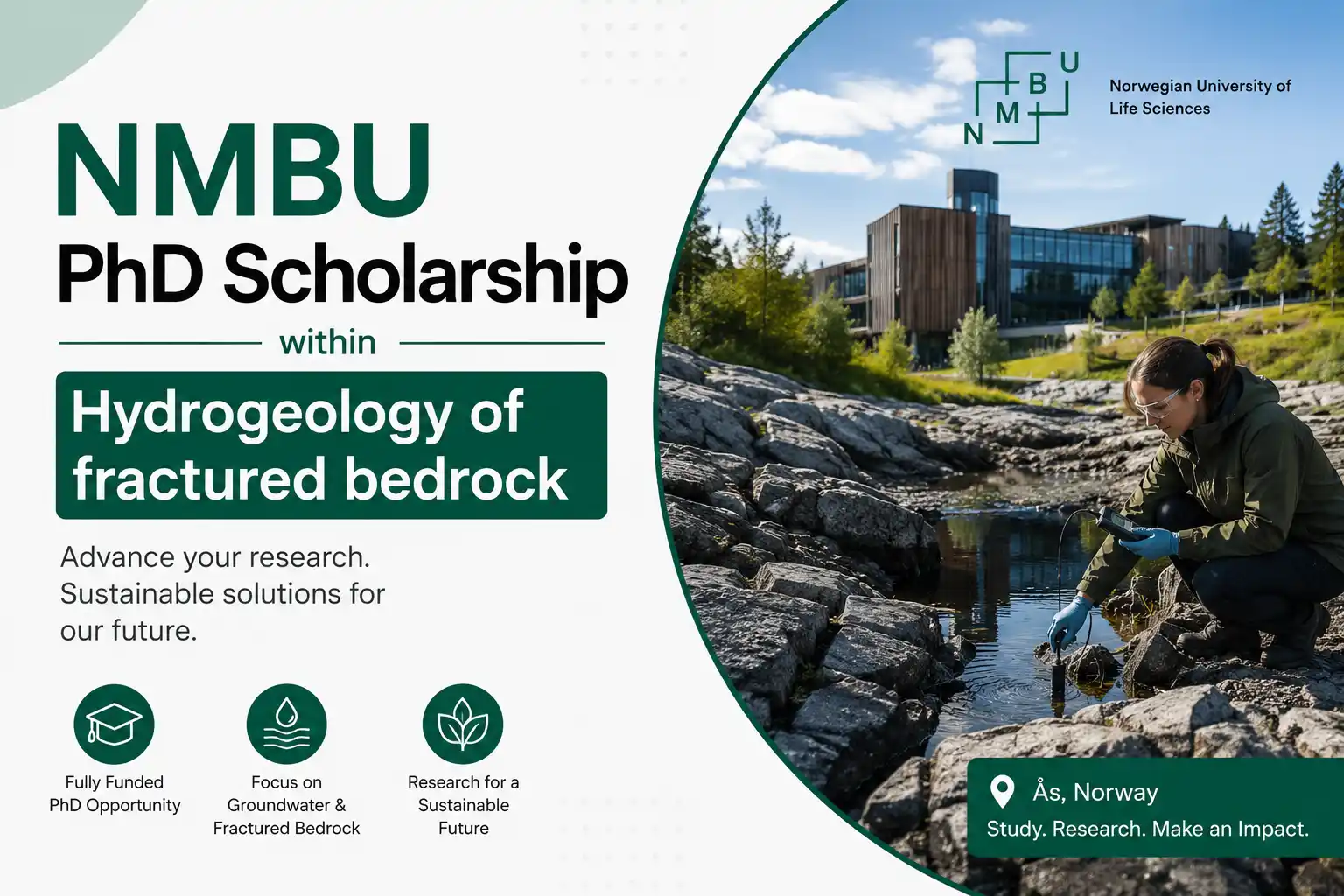
 Open
PhD
Deadline: May 31,
2027
Open
PhD
Deadline: May 31,
2027



















 Austria scholarships
 Australia scholarships
 Belgium scholarships
 Brazil scholarships
 Canada scholarships
 China scholarships
 Czech Republic scholarships
 Denmark scholarships
 Finland scholarships
 France scholarships
 Germany scholarships
 Hungary scholarships
 Indonesia scholarships
 Ireland scholarships
 Italy scholarships
 Japan scholarships
 Kenya scholarships
 Luxembourg scholarships
 Malaysia scholarships
 Nepal scholarships
 Netherlands scholarships
 Newzealand scholarships
 Nigeria scholarships
 Norway scholarships
 Pakistan scholarships
 Poland scholarships
 Portugal scholarships
 Qatar scholarships
 Russia scholarships
 Saudi Arabia scholarships
 Singapore scholarships
 South Africa scholarships
 South Korea scholarships
 Spain scholarships
 Sweden scholarships
 Switzerland scholarships
 Taiwan scholarships
 Tanzania scholarships
 Thailand scholarships
 Turkey scholarships
 UAE scholarships
 Uganda scholarships
 UK scholarships
 USA scholarships
 Vietnam scholarships