What Is the Landscape of Germany Scholarships?
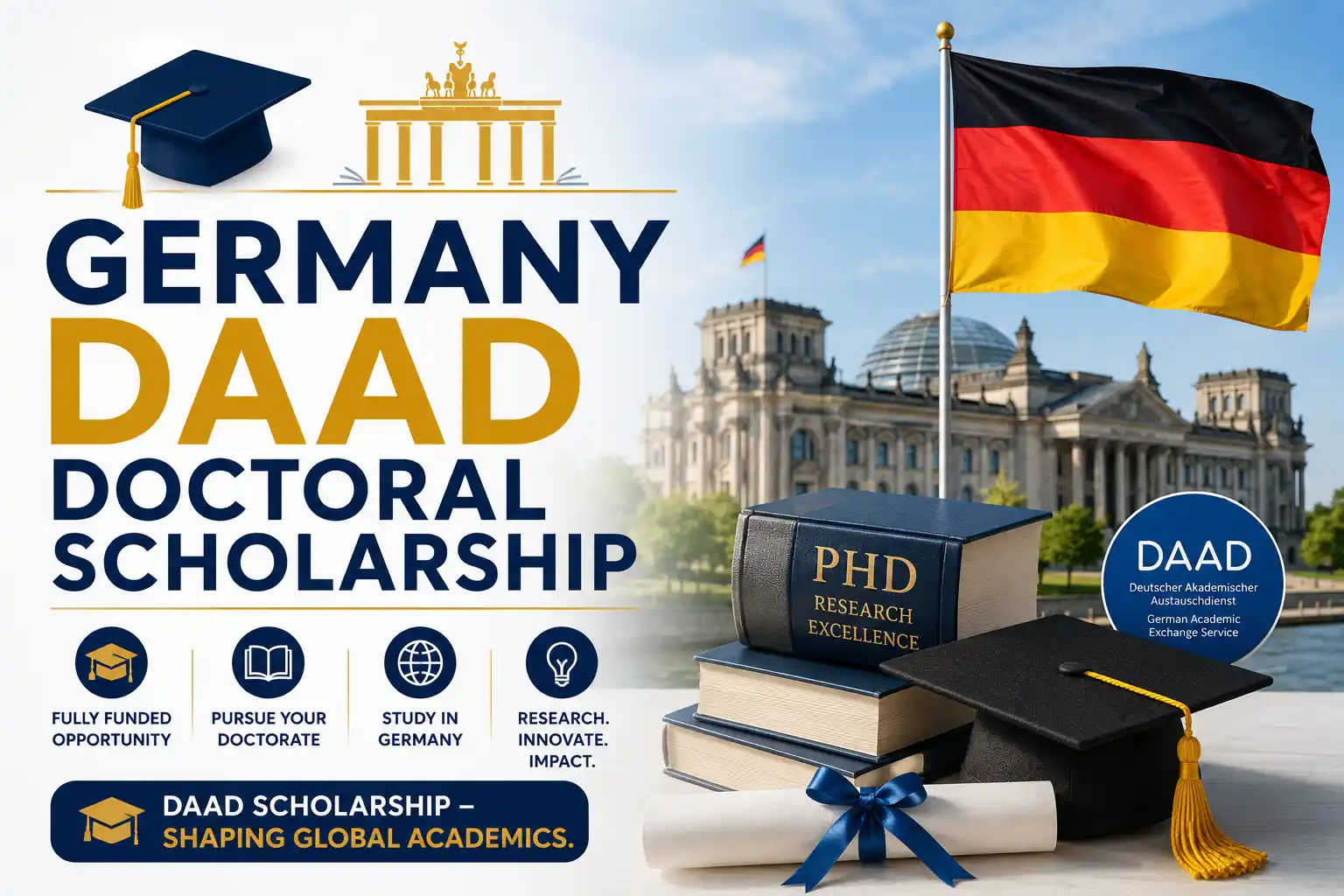
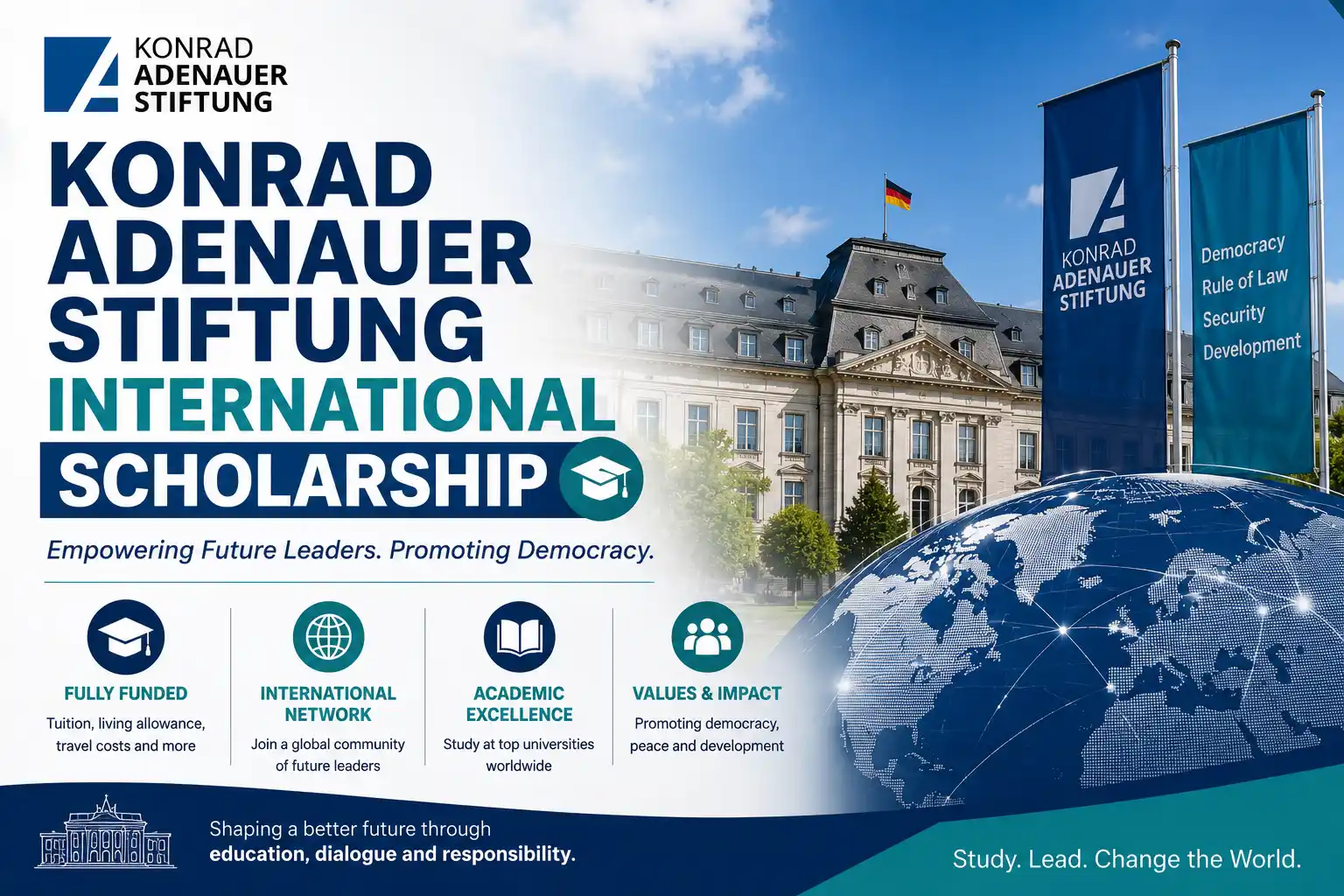
When we talk about "germany scholarships," we're referring to one of the most generous and well-organized scholarship systems in the world. Germany is renowned for its commitment to making higher education accessible, and this is reflected in the vast array of financial aid opportunities available for international students. The most famous of these is the DAAD (German Academic Exchange Service) scholarship program, which funds thousands of students from all over the globe every year. Beyond DAAD, there are numerous other opportunities from individual universities, private foundations like the Friedrich Ebert Stiftung and the Konrad Adenauer Stiftung, and government initiatives like the Deutschlandstipendium (Germany Scholarship). These opportunities are designed to attract talented students to experience the academic excellence, innovation, and quality of life that Germany offers.
What makes the Germany scholarship landscape so impressive is its incredible depth and variety. You'll find scholarships for every level of study, from bachelor's exchange programs to fully-funded master's and PhD scholarships. Germany is particularly strong in fields like engineering, automotive technology, renewable energy, and the sciences, and there are many scholarships specifically tied to these areas. There are also programs focused on academic excellence, social engagement, and specific regional or national groups. Germany's position as Europe's economic powerhouse and a global leader in research and development means that a scholarship here is not just about funding, it's about joining a community of innovators and thinkers who are shaping the future.
Why Should You Pursue a Scholarship in Germany?
Choosing Germany as your study destination is about investing in one of the world's most robust and respected education systems. German universities are known for their rigorous academic standards, cutting-edge research, and strong ties to industry. Whether you're interested in engineering at RWTH Aachen, business at Mannheim, or natural sciences at Heidelberg, a degree from a top German institution is recognized worldwide and can open doors to careers in global companies, research institutions, and academia. Plus, Germany has a unique system where many public universities charge little to no tuition fees for international students, making it even more accessible when paired with a scholarship.
Beyond the academics, Germany offers an exceptional quality of life. The country is known for its efficiency, safety, and high standard of living. You'll experience a rich cultural heritage, from the historic streets of Berlin to the fairy-tale castles of Bavaria, and enjoy the famous German Christmas markets, world-class museums, and vibrant music scene. Germany's central location in Europe also makes it a perfect base for exploring the continent. And let's not forget the practical benefits, graduates of German universities are in high demand in the job market, and the country offers generous post-study work visa options. When you add a scholarship into the mix, you're looking at a life-changing opportunity to study in one of the world's most innovative countries with minimal financial burden.
How Can You Successfully Secure a Germany Scholarship?
So, you've decided that Germany is the place for you, now what? The first step is understanding the different types of scholarships available and which ones you're eligible for. The DAAD scholarship is the largest and most well-known, offering opportunities for undergraduate exchange, master's programs, and PhD research. DAAD has both individual scholarships and special programs for specific regions and fields. Many German universities also offer their own merit-based and need-based scholarships, so make sure you check the websites of institutions you're interested in. Additionally, the Deutschlandstipendium is a unique program that partners private sponsors with students, providing monthly support based on academic and personal merit.
Once you've identified your target scholarships, it's time to get organized. Most applications will require similar documents: academic transcripts, a motivation letter, recommendation letters, proof of German or English proficiency, and sometimes a research proposal for postgraduate studies. The motivation letter is your chance to stand out from the crowd, tell your story, explain why Germany specifically appeals to you, and articulate how your studies will benefit your home country and community. Be specific about the university, the program, and why you're a perfect fit. Show them you've done your research and that you're genuinely passionate about your field. And as always, proofread everything, ask for feedback, and submit well before the deadline.
Final Thoughts About Germany Scholarships
Germany is a country that values education, innovation, and international collaboration, and its scholarships are a testament to that commitment. Whether you're drawn to its world-class universities, its strong economy, or its rich cultural heritage, studying in Germany on a scholarship is an opportunity that can shape your future in profound ways. The application process is competitive, but with strong grades, a clear vision, and careful preparation, you have a real chance of success. Germany is a country that welcomes talent from all over the world, and there's never been a better time to be part of its academic community.
Remember, the journey to securing a scholarship starts with a single step: believing that you are worthy of this opportunity. You are talented, you are capable, and you have a unique story to tell. Don't let the fear of rejection or the challenge of adapting to a new culture hold you back. Start your research today, reach out to DAAD advisors or university international offices if you have questions, and put together the best application you can. Germany is ready to welcome you with its efficiency, its beautiful landscapes, and an education that will set you up for a bright future. Go for it, your German adventure is waiting.
Frequently Asked Questions About Germany Scholarships
1. What types of scholarships are available for studying in Germany?
There's a great variety! You'll find the DAAD scholarship (the largest program), university-specific merit awards, the Deutschlandstipendium (Germany Scholarship), foundation scholarships (like Friedrich Ebert or Konrad Adenauer), and research grants from various organizations.
2. Are there fully-funded scholarships for international students in Germany?
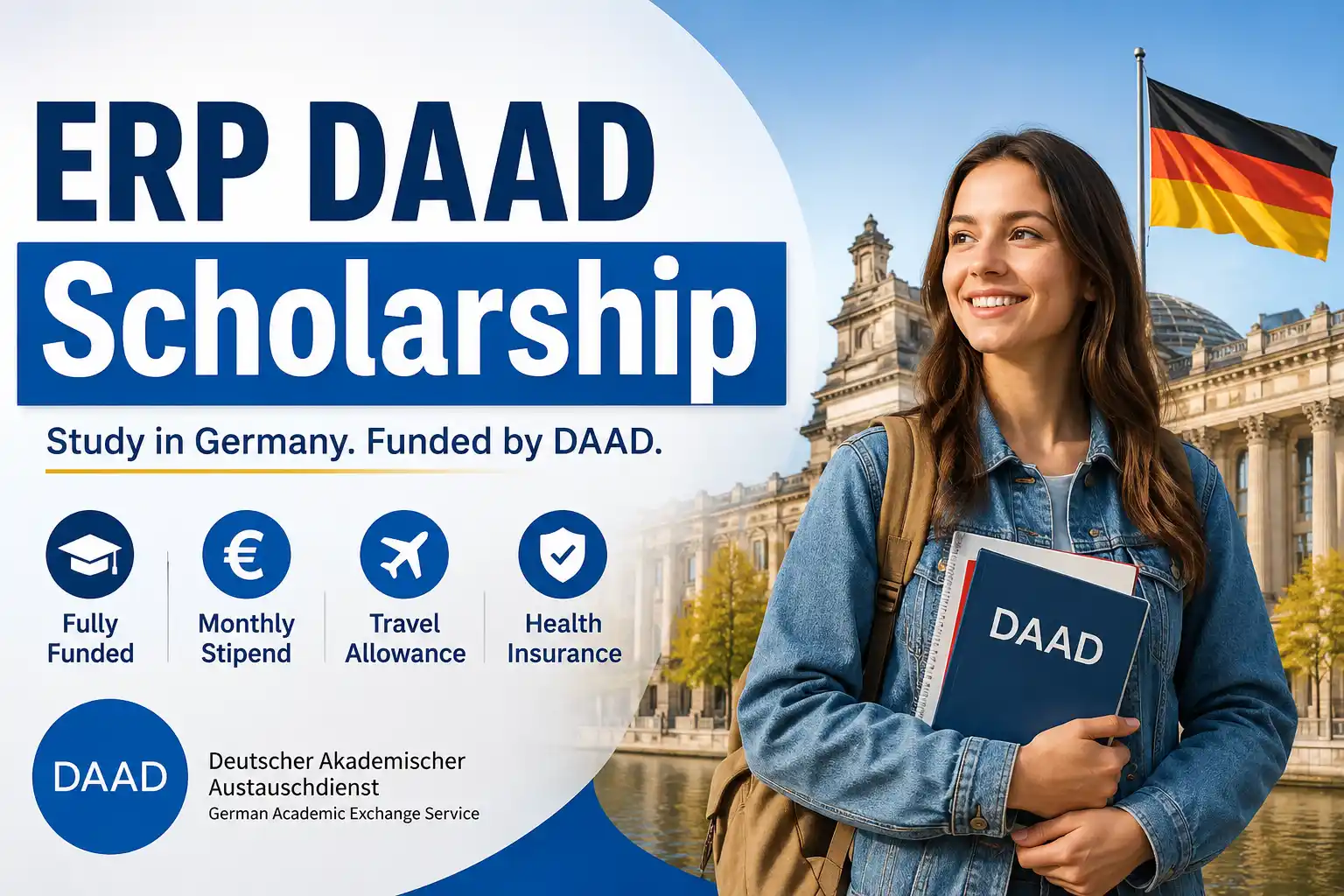
Yes, absolutely. The DAAD scholarship offers fully-funded opportunities that cover tuition, a monthly living allowance, travel expenses, and health insurance. Many research grants and PhD scholarships also provide comprehensive funding.
3. Do I need to speak German to study in Germany?
Not necessarily. Germany has a large and growing number of English-taught programs, especially at the master's and PhD levels. However, for many undergraduate programs, German proficiency is required. Learning German is highly recommended to make the most of your experience.
4. What is the DAAD scholarship and who is it for?
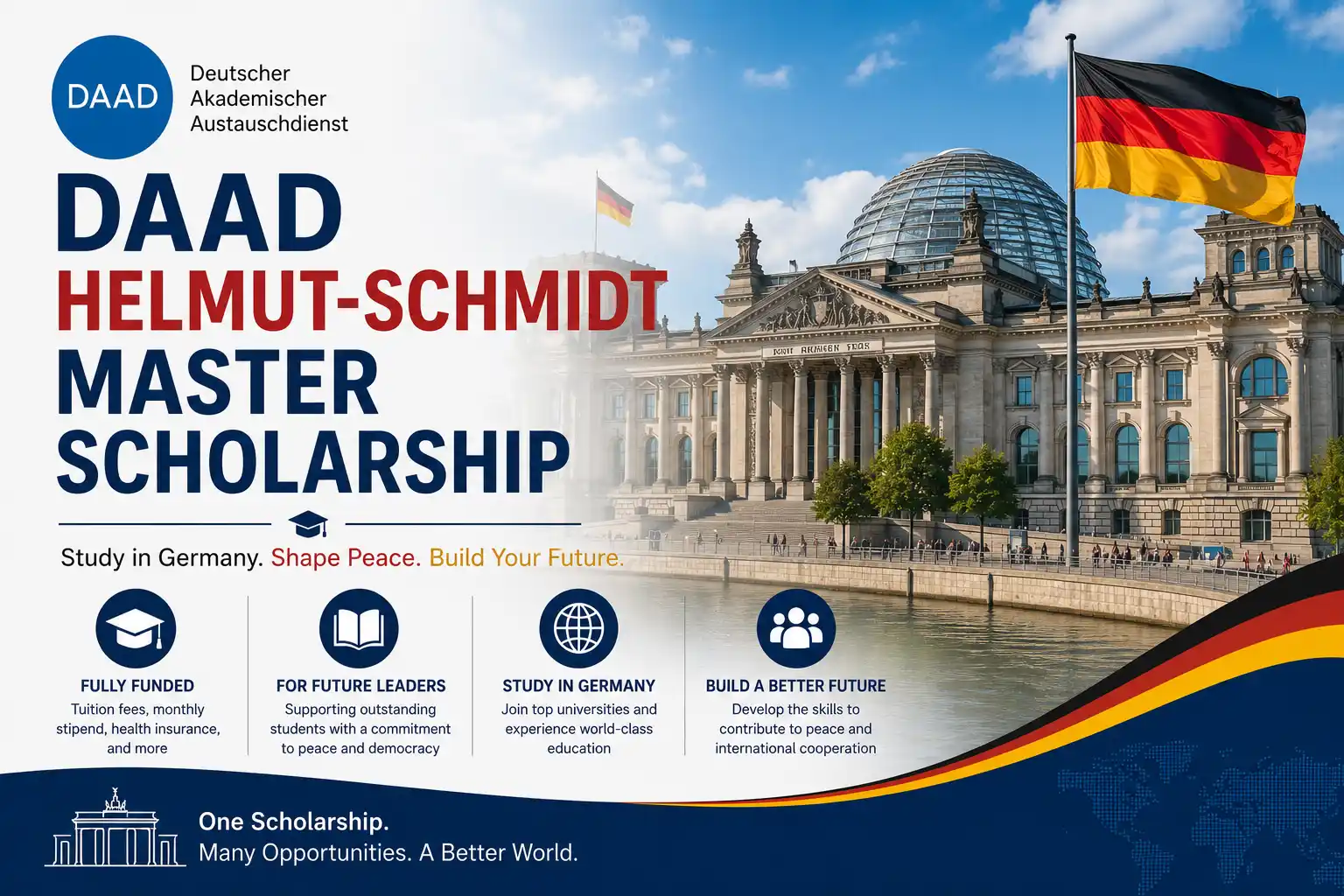
The DAAD (German Academic Exchange Service) is the largest scholarship organization in Germany, funding international students at all levels. It offers both individual scholarships and special programs for specific regions, fields, and levels of study.
5. Can I work while studying on a scholarship in Germany?
Yes, international students in Germany can work part-time for up to 120 full days or 240 half days per year. However, always check your specific scholarship rules, as some may have restrictions or encourage you to focus on your studies.
6. Are there scholarships specifically for African students in Germany?
Yes, many Germany scholarships target African students, especially through the DAAD's development-related programs and various university partnerships. Germany has strong ties with many African countries and is committed to supporting education and development on the continent.
7. What documents do I need for Germany scholarship applications?
Typical requirements include academic transcripts, a motivation letter, CV, recommendation letters, language proficiency proof (German or English), and sometimes a research proposal for postgraduate studies.
8. How much does it cost to live in Germany as a student?
Living costs in Germany are quite reasonable compared to other Western European countries. You can expect to spend around €850-€1,200 per month on accommodation, food, transport, and other essentials, depending on the city. Munich and Frankfurt are more expensive than smaller cities like Leipzig or Göttingen.
9. When are the deadlines for Germany scholarship applications?
Deadlines vary widely by program. For the DAAD scholarship, deadlines are typically between July and October for the following academic year, but this varies by program and region. University-specific scholarships usually have their own schedules, so always check early.
10. Can I apply for a Germany scholarship without knowing German?
Yes, for English-taught programs. Many DAAD scholarships and university awards support English-taught master's programs. However, learning German will greatly enhance your experience and job prospects in Germany.
11. Are there scholarships for German students to study abroad?
Yes, the DAAD also offers scholarships for German nationals to study and conduct research abroad, supporting international exchanges and global academic collaboration.
12. What are the best universities in Germany for international students?
Top choices include RWTH Aachen, Technical University of Munich, Heidelberg University, Humboldt University of Berlin, University of Mannheim, and Freie Universität Berlin. All have strong international student communities and excellent academic reputations.
13. Do I need health insurance for studying in Germany?
Yes, health insurance is mandatory for all international students in Germany. You'll need to purchase either public or private health insurance, depending on your age and circumstances. Many scholarships include health insurance coverage.
14. Can I stay in Germany after graduating?
Yes, Germany offers a post-study work visa (18 months) that allows graduates to stay and look for employment. After finding a job that matches your qualifications, you can apply for a residence permit and eventually permanent residency.
15. How competitive are Germany scholarships?
They are competitive, especially the DAAD scholarship and prestigious programs like the Deutschlandstipendium. However, with a strong academic record, a compelling personal story, and careful preparation, you have a real chance of success. Don't be discouraged, many international students win these scholarships every year!

 Austria scholarships
 Belgium scholarships
 Finland scholarships
 France scholarships
 Germany scholarships
 Hungary scholarships
 Italy scholarships
 Netherlands scholarships
 Norway scholarships
 Poland scholarships
 Romania scholarships
 Spain scholarships
 Sweden scholarships
 Turkey scholarships
 Open
Bachelor
Deadline: Apr 15, 2027
Open
Bachelor
Deadline: Apr 15, 2027










 Australia scholarships
 Brazil scholarships
 Canada scholarships
 China scholarships
 Czech Republic scholarships
 Denmark scholarships
 Indonesia scholarships
 Ireland scholarships
 Japan scholarships
 Kenya scholarships
 Luxembourg scholarships
 Malaysia scholarships
 Nepal scholarships
 Newzealand scholarships
 Nigeria scholarships
 Pakistan scholarships
 Portugal scholarships
 Qatar scholarships
 Russia scholarships
 Saudi Arabia scholarships
 Singapore scholarships
 South Africa scholarships
 South Korea scholarships
 Switzerland scholarships
 Taiwan scholarships
 Tanzania scholarships
 Thailand scholarships
 UAE scholarships
 Uganda scholarships
 UK scholarships
 USA scholarships
 Vietnam scholarships