What Is the Landscape of Doctorate Scholarships?
When we talk about "doctorate scholarships," we're referring to the specialized funding opportunities available for students who want to pursue the highest level of academic achievement, a PhD or doctoral degree. These scholarships are designed to support the demanding journey of doctoral research, which typically takes three to five years of intensive study, original research, and dissertation writing. Doctorate scholarships are offered by a wide range of sources, including governments, universities, research institutions, private foundations, and international organizations. They are often more generous than undergraduate or master's scholarships because doctoral students are not just students, they are also emerging researchers contributing to the global body of knowledge.
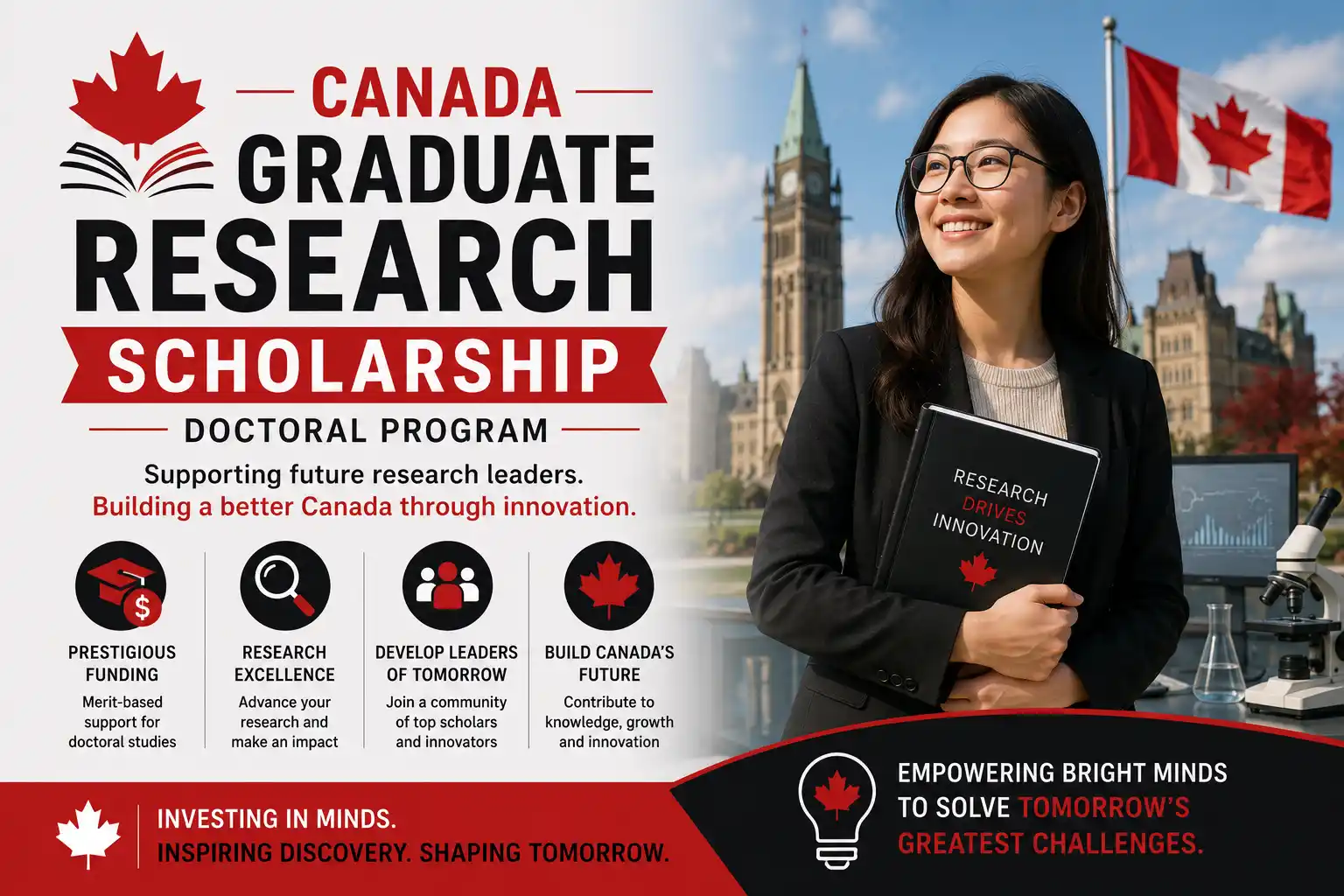
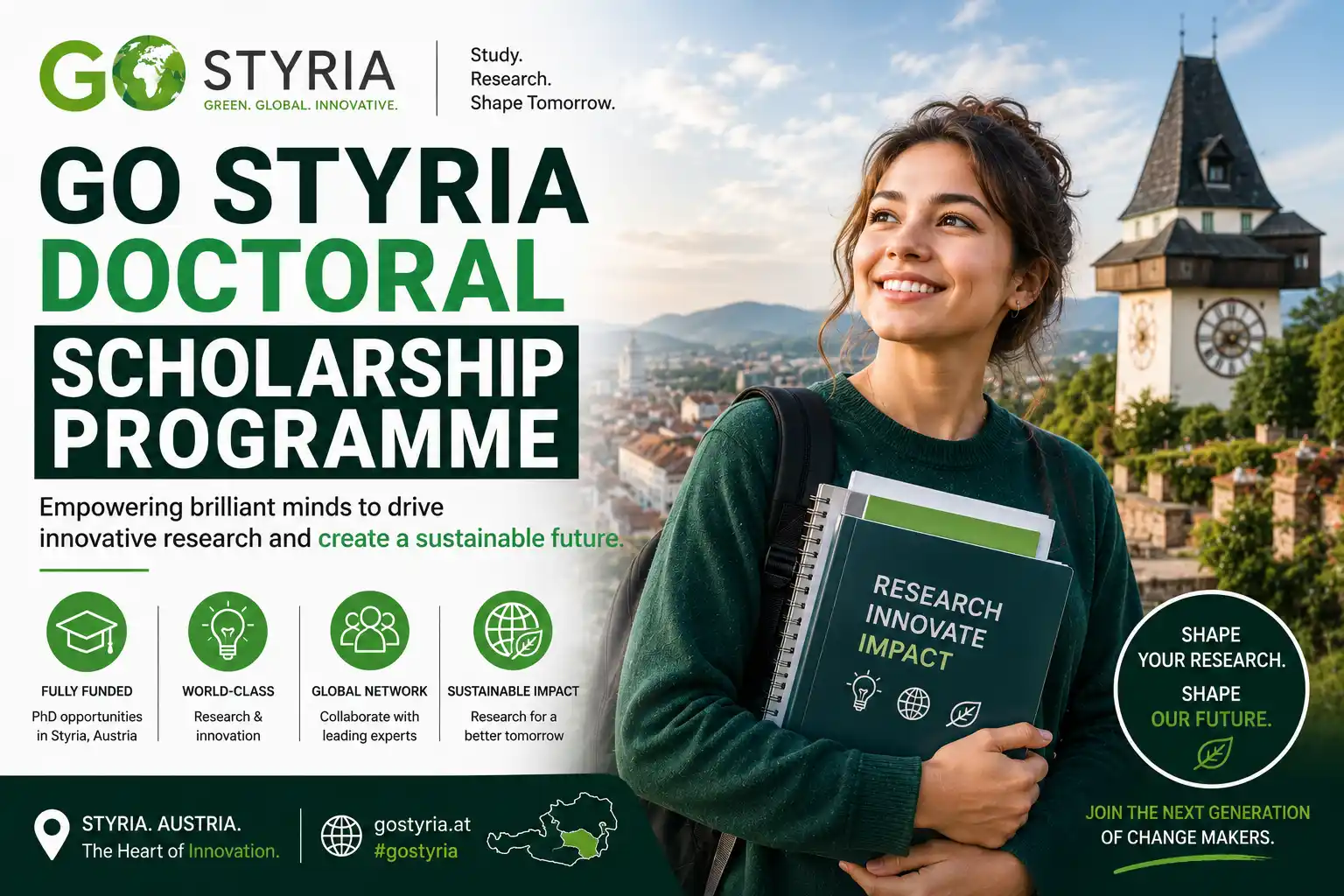
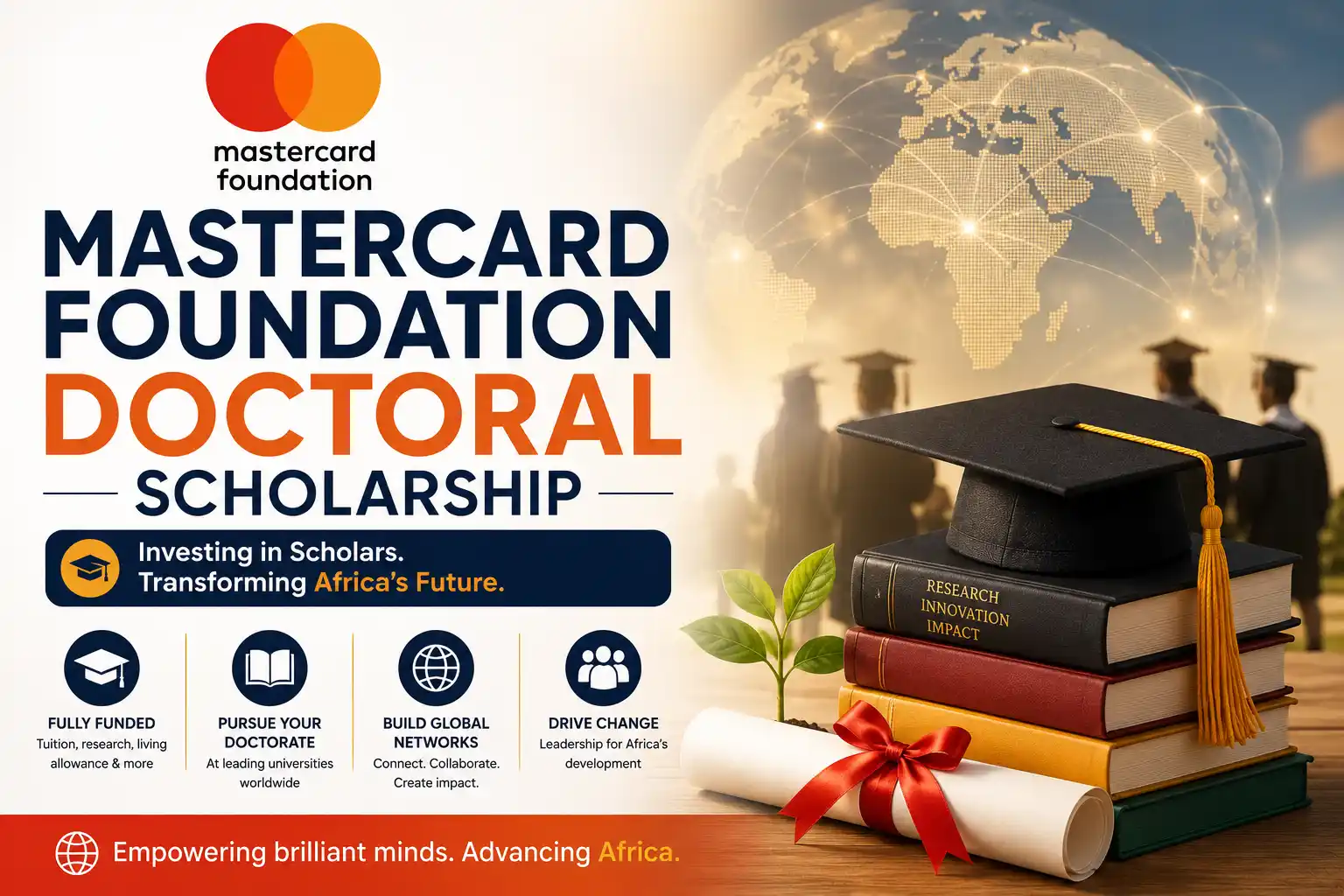
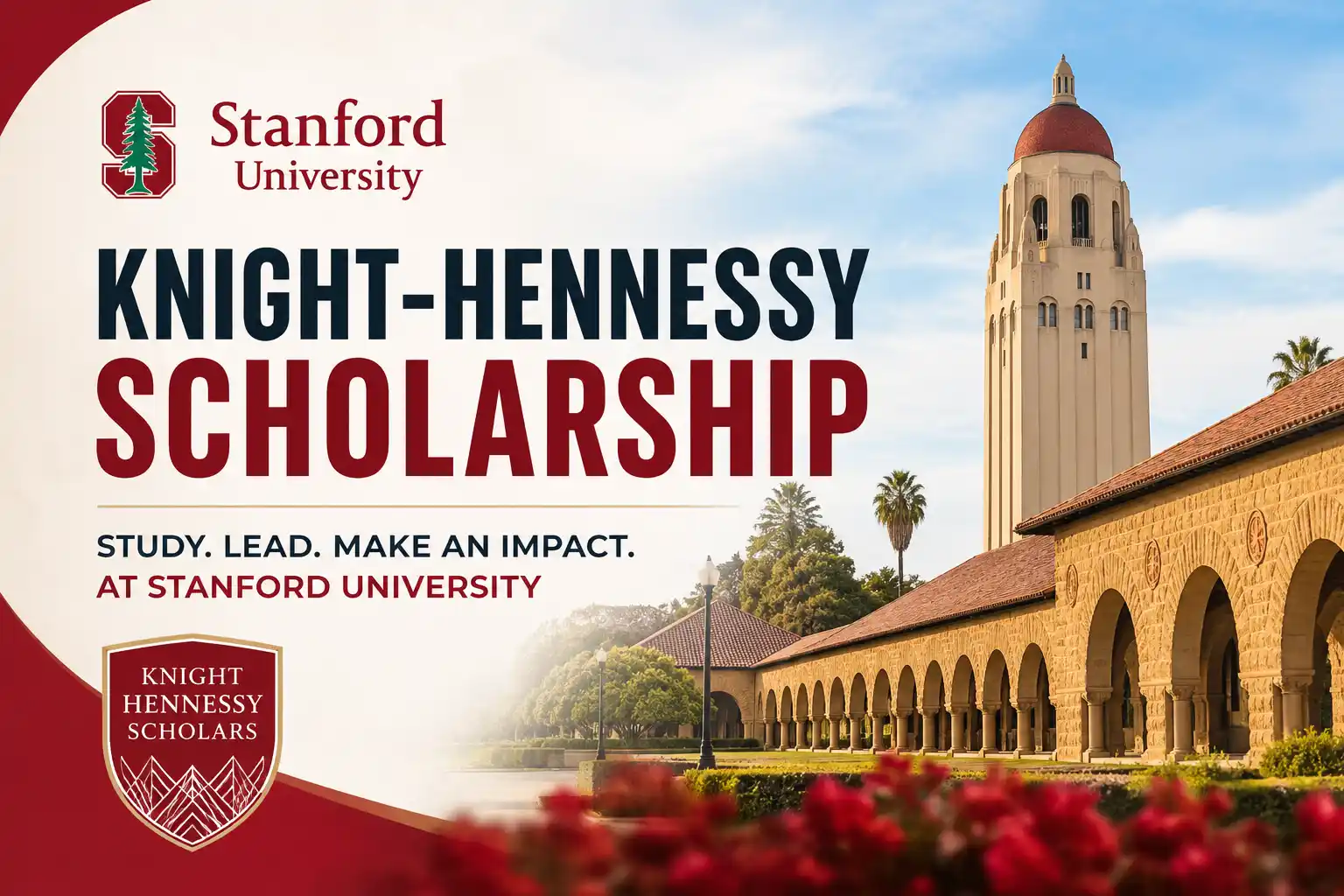
What makes the doctorate scholarship landscape so exciting is the sheer variety of opportunities available. You'll find scholarships for almost every academic discipline, from the humanities and social sciences to STEM fields, medicine, and engineering. Some programs are highly specific, funding research in areas like climate change, artificial intelligence, public health, or ancient history. Others are more general, supporting outstanding students regardless of their field. Many doctorate scholarships are fully funded, covering tuition, living expenses, research costs, conference travel, and even health insurance. There are also prestigious fellowships like the Fulbright, the Rhodes Scholarship, and the DAAD Doctoral Programs, which are globally recognized and highly competitive. Whether you're a recent master's graduate or a professional looking to pivot into research, there's a doctorate scholarship out there designed to support your academic ambitions.
Why Should You Pursue a Doctorate Scholarship?
Pursuing a doctorate is a monumental commitment, and doing it on a scholarship makes the journey not only possible but also much more rewarding. The most obvious benefit is financial relief, a fully-funded doctorate scholarship covers your tuition, provides a living stipend, and often includes additional funds for research materials, travel, and conferences. This means you can dedicate your full attention to your research without the stress of student loans or part-time jobs. But the benefits go far beyond money. Winning a doctorate scholarship is a mark of distinction, it signals to the academic world that you are among the best and brightest in your field.
Beyond the prestige, doctorate scholarships often come with a rich ecosystem of support. Many programs include mentorship from leading academics, access to exclusive research networks, opportunities for international collaboration, and professional development workshops. You're not just a student, you're a junior colleague in the academic community, and scholarships often help you build the relationships and skills you need for a successful career in research or academia. The experience of earning a PhD on a scholarship is transformative, it teaches you resilience, critical thinking, and the ability to contribute original knowledge to the world. And the doors it opens, whether in academia, industry, government, or the non-profit sector, are almost limitless.
How Can You Successfully Secure a Doctorate Scholarship?
Securing a doctorate scholarship is one of the most competitive academic challenges you'll face, but with the right strategy, it's absolutely achievable. The journey begins long before you fill out an application. It starts with building a strong academic profile during your bachelor's and master's studies, getting involved in research projects, presenting at conferences, and publishing where possible. You also need to identify your research interests clearly, a vague idea won't impress a scholarship committee. Your research proposal, which is often the centerpiece of your application, needs to be specific, original, and feasible. It should demonstrate that you understand the current state of knowledge in your field and have a clear plan for making a meaningful contribution.
Once you've developed a solid research proposal, the next step is finding the right university and supervisor. This is crucial, your supervisor will be your mentor and guide for the next several years, and their support is often essential for winning a scholarship. Reach out to potential supervisors early, share your research interests, and ask if they are taking on new doctoral students. Many scholarships, like those offered by universities, require you to have a supervisor's support before you can apply. When the time comes to apply, gather your documents carefully: academic transcripts, recommendation letters, a CV, proof of language proficiency, and of course, a polished research proposal. Your motivation letter should explain not just why you want to do a PhD, but why you want to do it at that specific institution with that specific supervisor. Show them you're not just looking for any scholarship, but that you've chosen them because of a genuine academic fit. And as always, start early, proofread everything, and submit well before the deadline.
Final Thoughts About Doctorate Scholarships
Earning a doctorate is one of the most intellectually demanding and rewarding journeys a person can undertake. A doctorate scholarship transforms that journey from a financial struggle into a focused, supported, and enriching experience. It allows you to pursue your passion for knowledge without the burden of debt, and it connects you to a global community of scholars who share your dedication to advancing human understanding. The application process is rigorous, but it's designed to find the most promising researchers, and with dedication and preparation, you can be one of them.
Remember, the journey to securing a doctorate scholarship is not just about getting funding, it's about becoming the kind of researcher who deserves that funding. That means cultivating curiosity, resilience, and a deep commitment to your field. Start your preparation early, build relationships with mentors and potential supervisors, and never underestimate the power of a well-written research proposal. The world needs more brilliant minds willing to tackle its biggest challenges, and a doctorate scholarship is your ticket to joining that mission. Go for it, your doctoral adventure is waiting.
Frequently Asked Questions About Doctorate Scholarships
1. What is a doctorate scholarship and who is it for?
A doctorate scholarship is a financial award designed to support students pursuing a PhD or doctoral degree. It's for individuals who have completed a master's degree or equivalent and want to conduct original research in their field.
2. Are there fully-funded doctorate scholarships available?
Yes, many doctorate scholarships are fully funded. They typically cover tuition fees, provide a living stipend, and include funds for research expenses, conference travel, and health insurance.
3. How long does a doctorate scholarship typically last?
Most doctorate scholarships are designed to cover the duration of a PhD program, which is usually between 3 to 5 years, depending on the country and field of study.
4. What documents do I need for a doctorate scholarship application?
Typical requirements include academic transcripts, a research proposal, recommendation letters, a CV, a motivation letter, proof of language proficiency, and sometimes a writing sample or publication list.
5. How important is the research proposal for a doctorate scholarship?
The research proposal is often the most important part of your application. It demonstrates your ability to identify a significant research question, design a feasible methodology, and contribute original knowledge to your field.
6. Do I need to have a supervisor before applying for a doctorate scholarship?
In many cases, yes. Many scholarships, especially university-based ones, require you to have secured a supervisor who has agreed to mentor you before you can apply. It's always a good idea to reach out to potential supervisors early.
7. Can I apply for a doctorate scholarship without a master's degree?
In some countries, like the United States, you can apply for a PhD program directly after your bachelor's degree. However, most doctorate scholarships expect you to have completed a master's degree or equivalent.
8. What are the best countries for doctorate scholarships?
Top destinations for doctorate scholarships include the United States, United Kingdom, Germany, Canada, Australia, and China. These countries have well-funded research systems and offer many international scholarships.
9. Can I work while on a doctorate scholarship?
Many doctorate scholarships allow you to do some teaching or research assistant work alongside your studies. However, you should check your specific scholarship rules, as some may restrict outside work.
10. How competitive are doctorate scholarships?
Doctorate scholarships are highly competitive, with hundreds or even thousands of applicants for each program. However, a strong academic record, a compelling research proposal, and a good fit with the program can significantly improve your chances.
11. Are there doctorate scholarships for international students?
Yes, many countries and universities offer doctorate scholarships specifically for international students. These are designed to attract global talent and promote diversity in research.
12. What are the age limits for doctorate scholarships?
Some scholarships have age limits, typically under 35 or 40 years old. However, many programs, especially in Europe and the US, do not have strict age limits and welcome mature students.
13. Can I change my research topic after winning a doctorate scholarship?
Yes, but it's generally best to stick to your proposed topic. If you need to change, you'll usually need approval from your supervisor and the scholarship committee, especially if the change affects the funding.
14. Do I need to publish during my doctorate scholarship?
Many doctorate scholarships encourage or even require publication as part of your PhD. It's a great way to build your academic profile and demonstrate your research impact.
15. Can I apply for multiple doctorate scholarships at the same time?
Yes, you can and should apply for multiple doctorate scholarships to increase your chances of success. Just make sure to check each program's rules, as some may require you to choose one if you win multiple awards.

 Open
Doctorate
Deadline: May 31, 2027
Open
Doctorate
Deadline: May 31, 2027




















 Austria scholarships
 Australia scholarships
 Belgium scholarships
 Brazil scholarships
 Canada scholarships
 China scholarships
 Czech Republic scholarships
 Denmark scholarships
 Finland scholarships
 France scholarships
 Germany scholarships
 Hungary scholarships
 Indonesia scholarships
 Ireland scholarships
 Italy scholarships
 Japan scholarships
 Kenya scholarships
 Luxembourg scholarships
 Malaysia scholarships
 Nepal scholarships
 Netherlands scholarships
 Newzealand scholarships
 Nigeria scholarships
 Norway scholarships
 Pakistan scholarships
 Poland scholarships
 Portugal scholarships
 Qatar scholarships
 Russia scholarships
 Saudi Arabia scholarships
 Singapore scholarships
 South Africa scholarships
 South Korea scholarships
 Spain scholarships
 Sweden scholarships
 Switzerland scholarships
 Taiwan scholarships
 Tanzania scholarships
 Thailand scholarships
 Turkey scholarships
 UAE scholarships
 Uganda scholarships
 UK scholarships
 USA scholarships
 Vietnam scholarships