 Open
Master
Deadline: Oct 31, 2027
Open
Master
Deadline: Oct 31, 2027
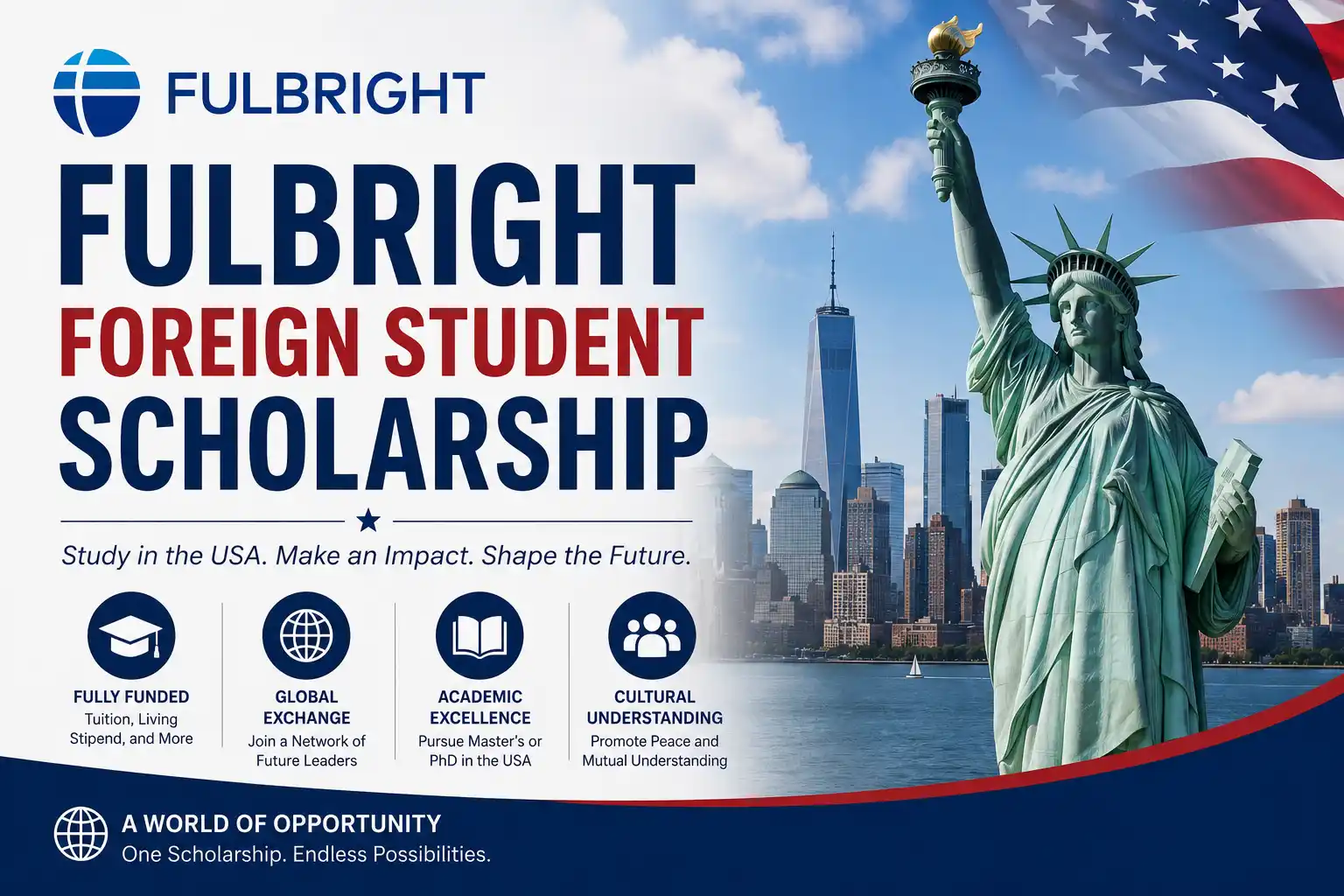
Fullbright Foreign Student Scholarship
Usa Government
Live your American dream with Fulbright. Full funding for graduate study in the US. Join global leaders. Change your life forever....
View scholarship
Discover fully funded graduate scholarships for international students to pursue master's degrees abroad. Updated daily with deadlines, eligibility criteria, and application guides for graduate programs. You will also find UK graduate scholarships, USA graduate scholarships, Germany graduate scholarships, Canada graduate scholarships, Europe graduate scholarships, Australia and Asia graduate scholarships and more.
 Open
Master
Deadline: Oct 31, 2027
Open
Master
Deadline: Oct 31, 2027
 Open
PhD
Deadline: May 31, 2027
Open
PhD
Deadline: May 31, 2027
 Open
Master
Deadline: Apr 01, 2027
Open
Master
Deadline: Apr 01, 2027
 Open
Master
Deadline: Jan 15, 2027
Open
Master
Deadline: Jan 15, 2027
 Open
Master
Deadline: Dec 31, 2026
Open
Master
Deadline: Dec 31, 2026
 Open
Master
Deadline: Dec 31, 2026
Open
Master
Deadline: Dec 31, 2026
 Open
PhD
Deadline: Dec 31, 2026
Open
PhD
Deadline: Dec 31, 2026
 Open
Master
Deadline: Dec 30, 2026
Open
Master
Deadline: Dec 30, 2026
 Open
Master
Deadline: Dec 30, 2026
Open
Master
Deadline: Dec 30, 2026
 Open
Master
Deadline: Dec 30, 2026
Open
Master
Deadline: Dec 30, 2026
 Open
PhD
Deadline: Dec 18, 2026
Open
PhD
Deadline: Dec 18, 2026
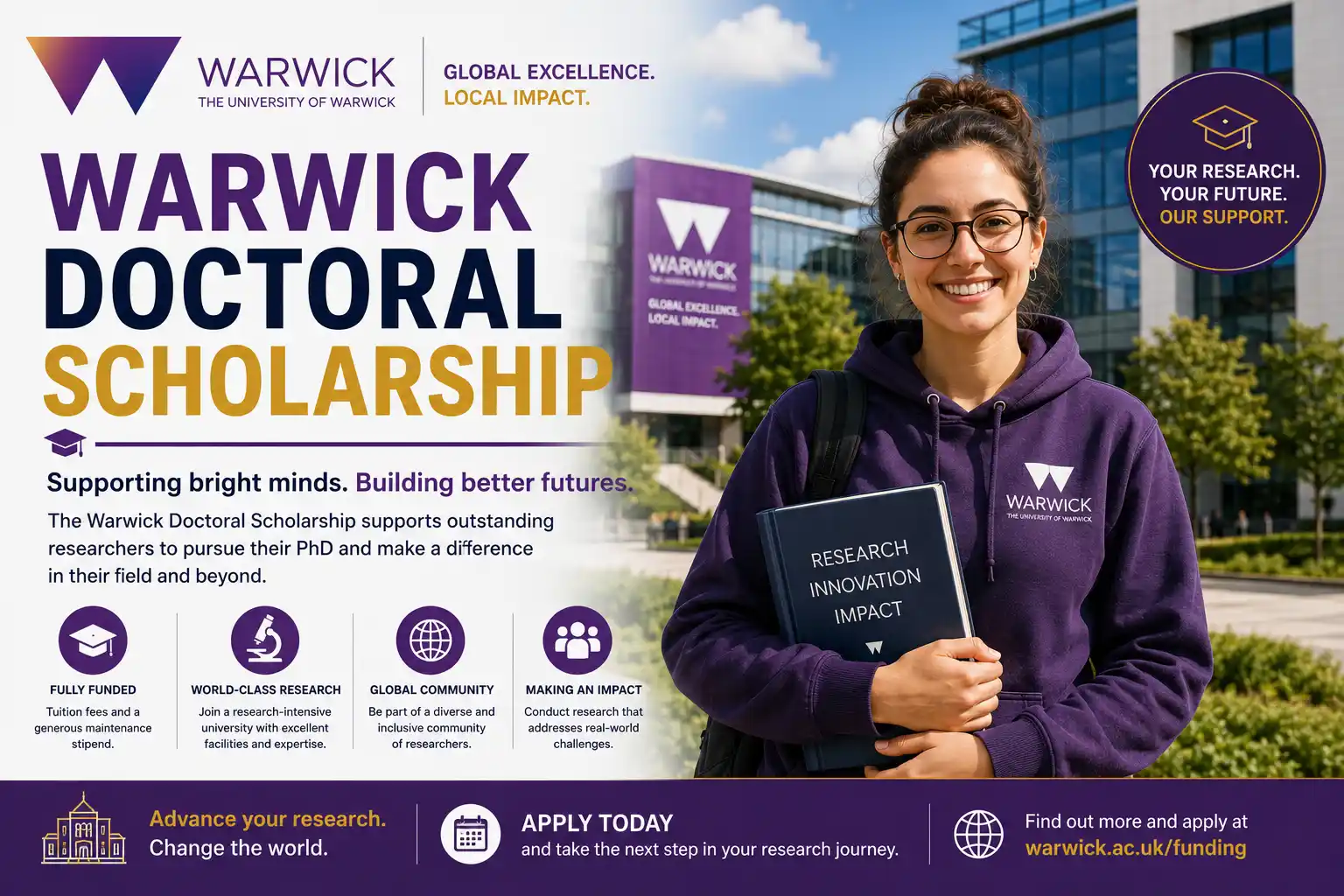 Open
PhD
Deadline: Dec 11, 2026
Open
PhD
Deadline: Dec 11, 2026
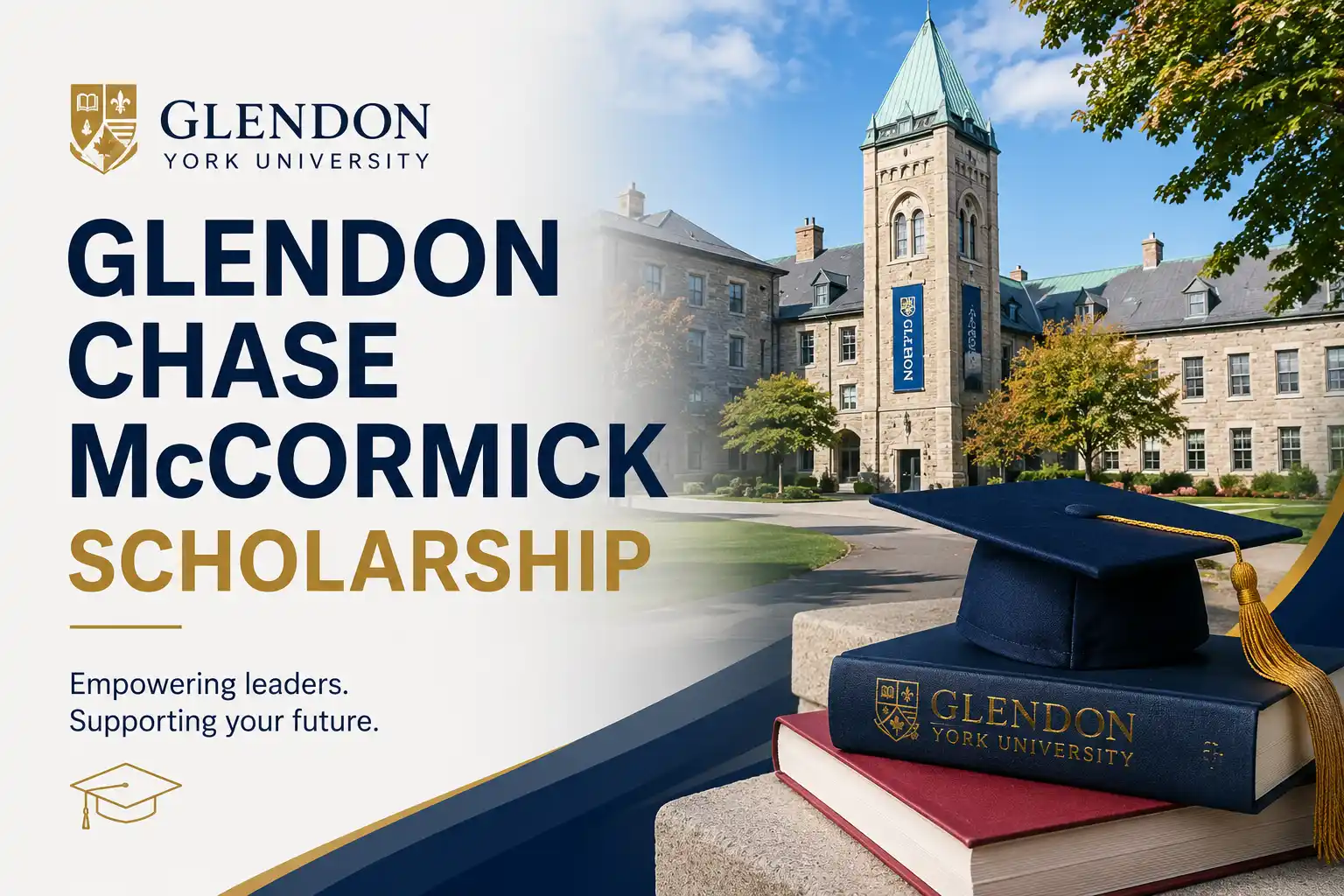 Open
Master
Deadline: Dec 05, 2026
Open
Master
Deadline: Dec 05, 2026
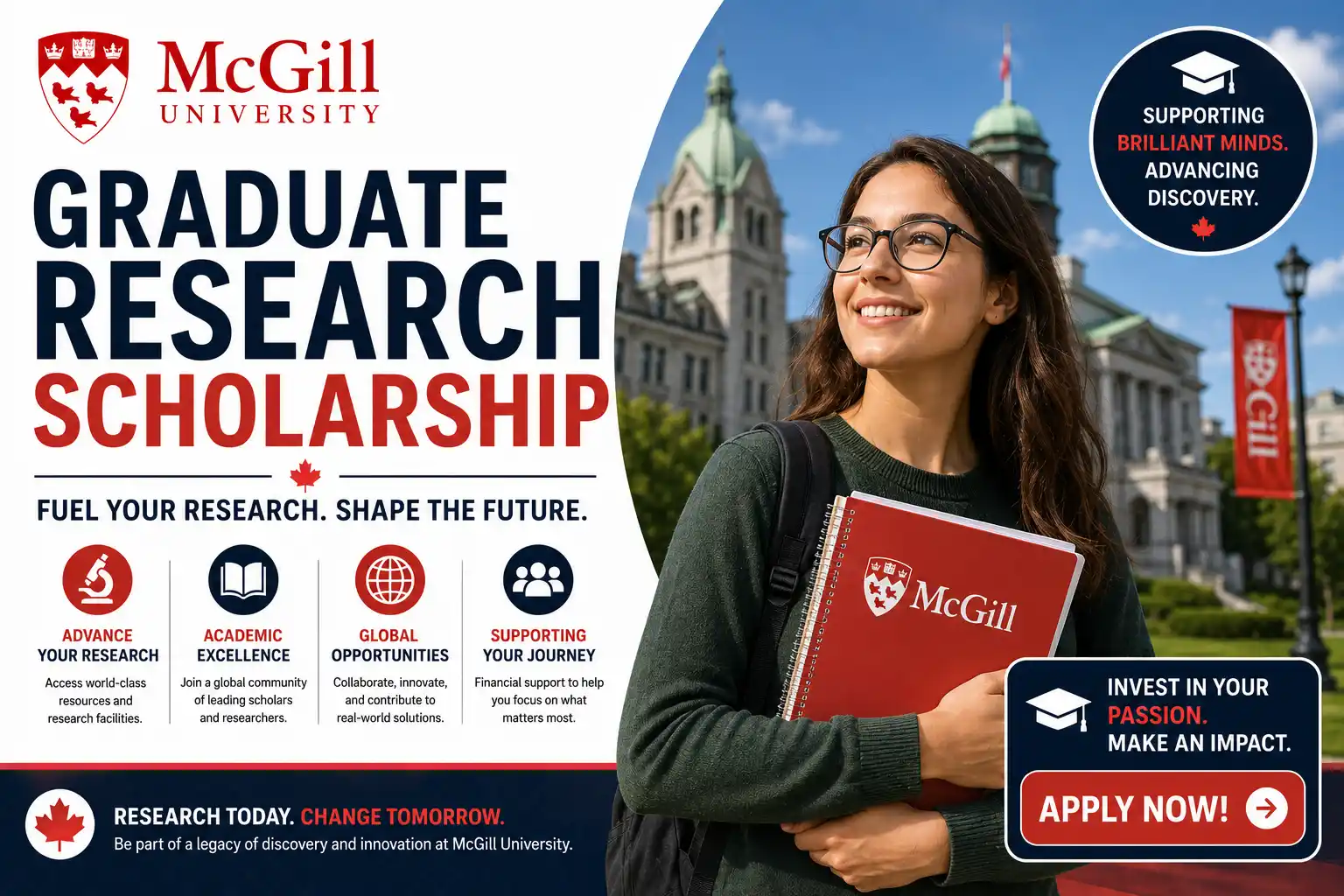 Open
Master
Deadline: Dec 01, 2026
Open
Master
Deadline: Dec 01, 2026
 Open
Master
Deadline: Dec 01, 2026
Open
Master
Deadline: Dec 01, 2026
 Open
PhD
Deadline: Nov 30, 2026
Open
PhD
Deadline: Nov 30, 2026
 Open
PhD
Deadline: Nov 20, 2026
Open
PhD
Deadline: Nov 20, 2026
 Open
Master
Deadline: Nov 16, 2026
Open
Master
Deadline: Nov 16, 2026
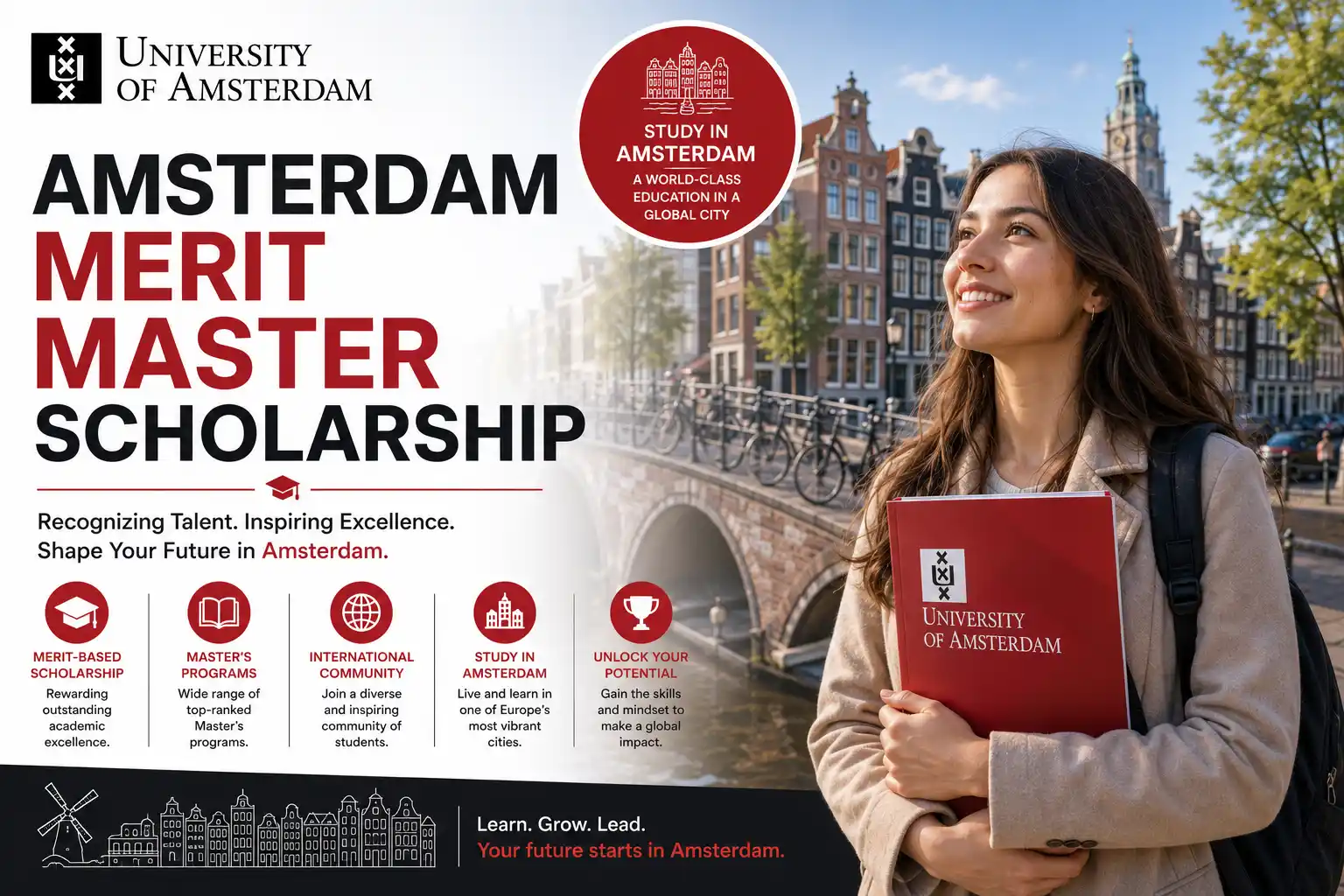 Open
Master
Deadline: Nov 01, 2026
⏰ 22d left
Open
Master
Deadline: Nov 01, 2026
⏰ 22d left
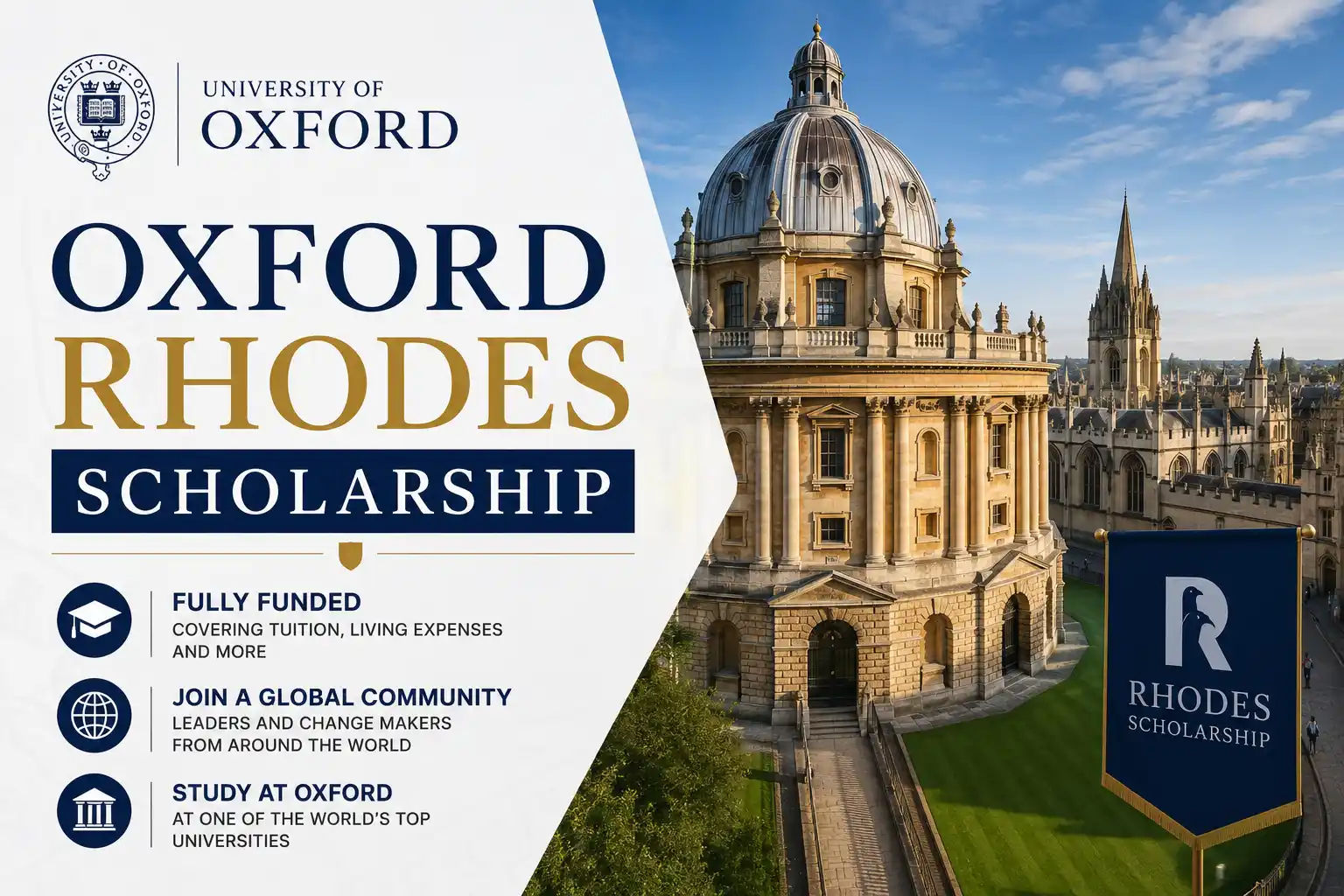 Open
Master
Deadline: Oct 31, 2026
⏰ 21d left
Open
Master
Deadline: Oct 31, 2026
⏰ 21d left
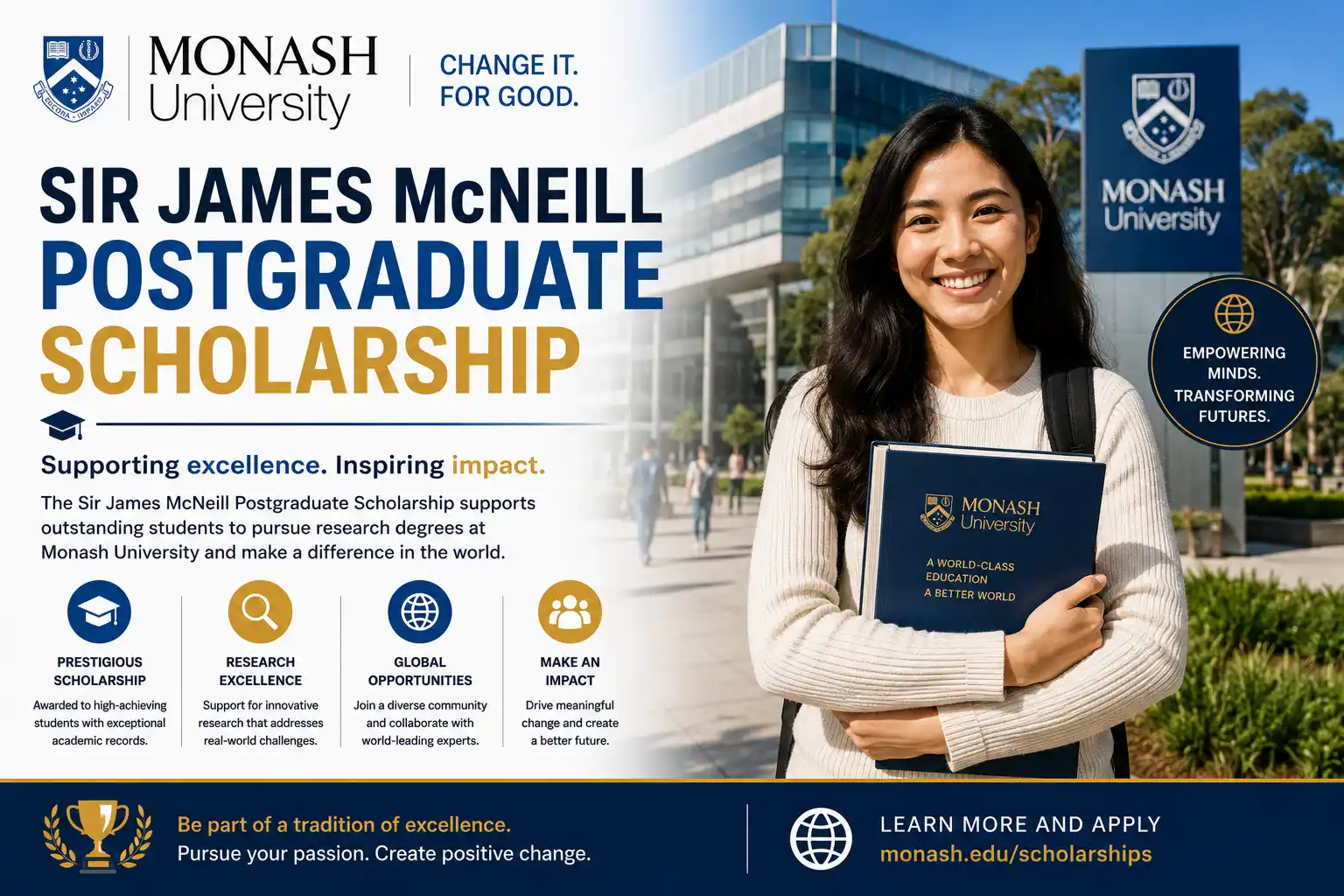 Open
Master
Deadline: Oct 31, 2026
⏰ 21d left
Open
Master
Deadline: Oct 31, 2026
⏰ 21d left
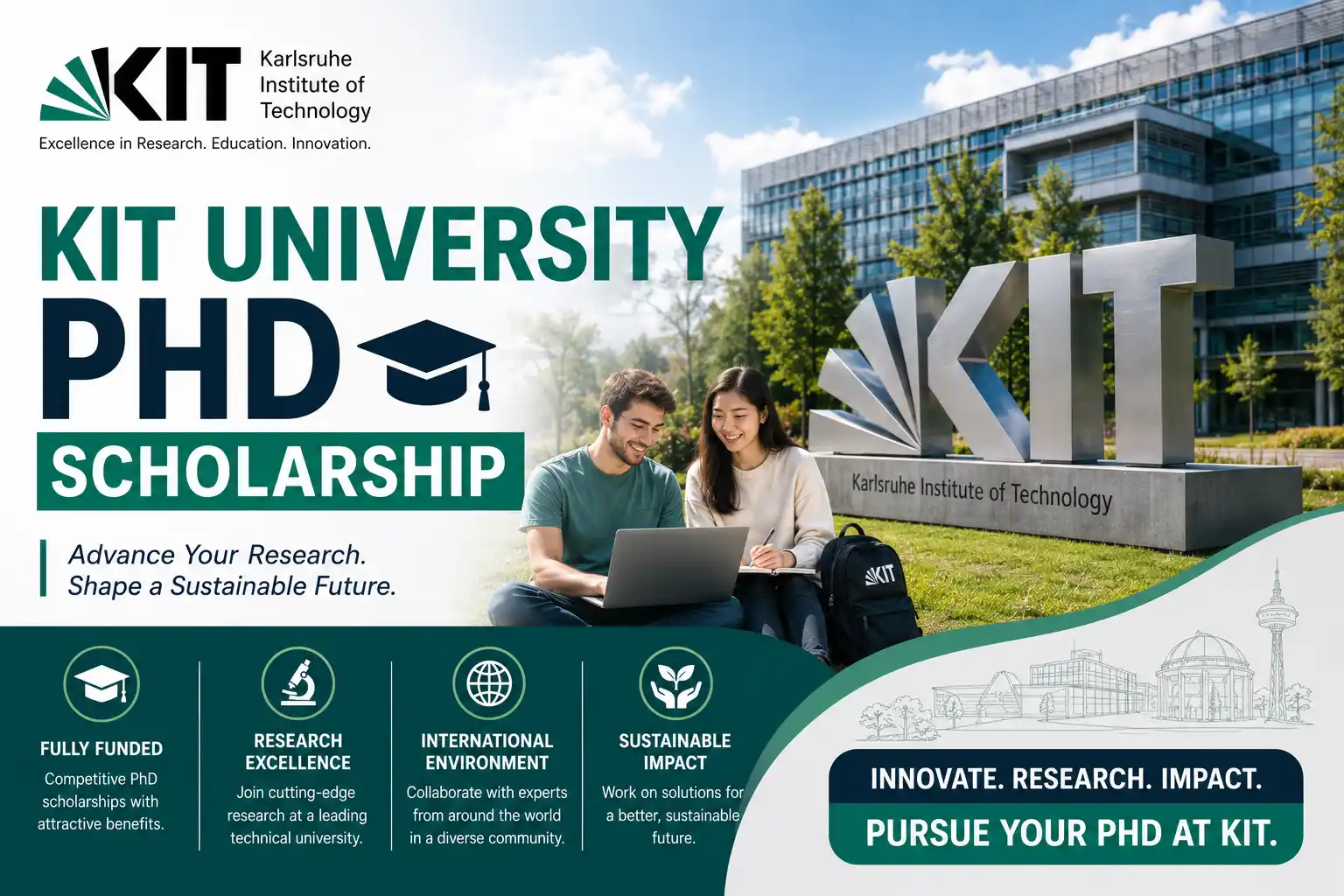 Open
PhD
Deadline: Oct 31, 2026
⏰ 21d left
Open
PhD
Deadline: Oct 31, 2026
⏰ 21d left
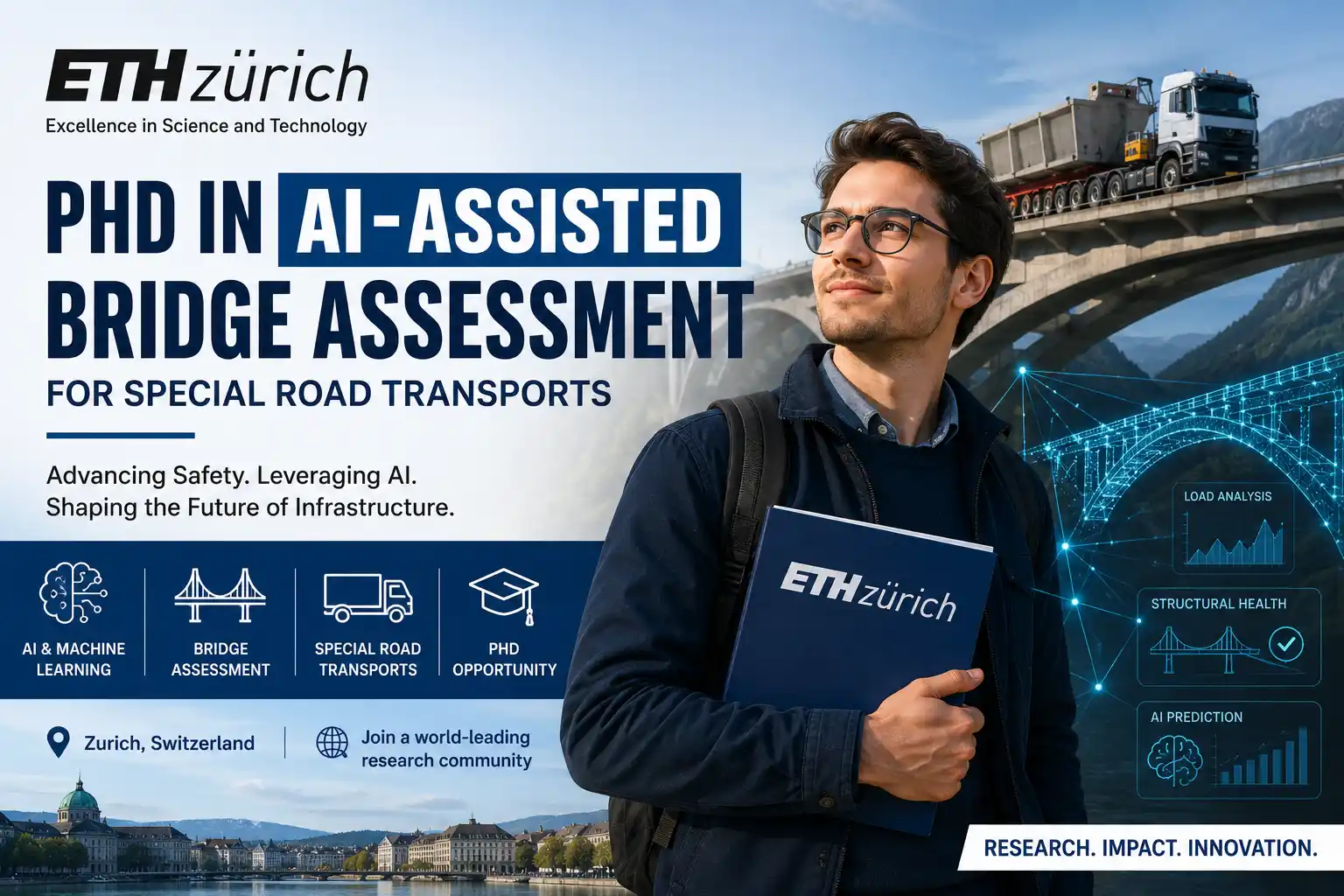 Open
PhD
Deadline: Oct 31, 2026
⏰ 21d left
Open
PhD
Deadline: Oct 31, 2026
⏰ 21d left
 Open
Master
Deadline: Oct 30, 2026
⏰ 20d left
Open
Master
Deadline: Oct 30, 2026
⏰ 20d left
 Open
Master
Deadline: Oct 20, 2026
⏰ 10d left
Open
Master
Deadline: Oct 20, 2026
⏰ 10d left
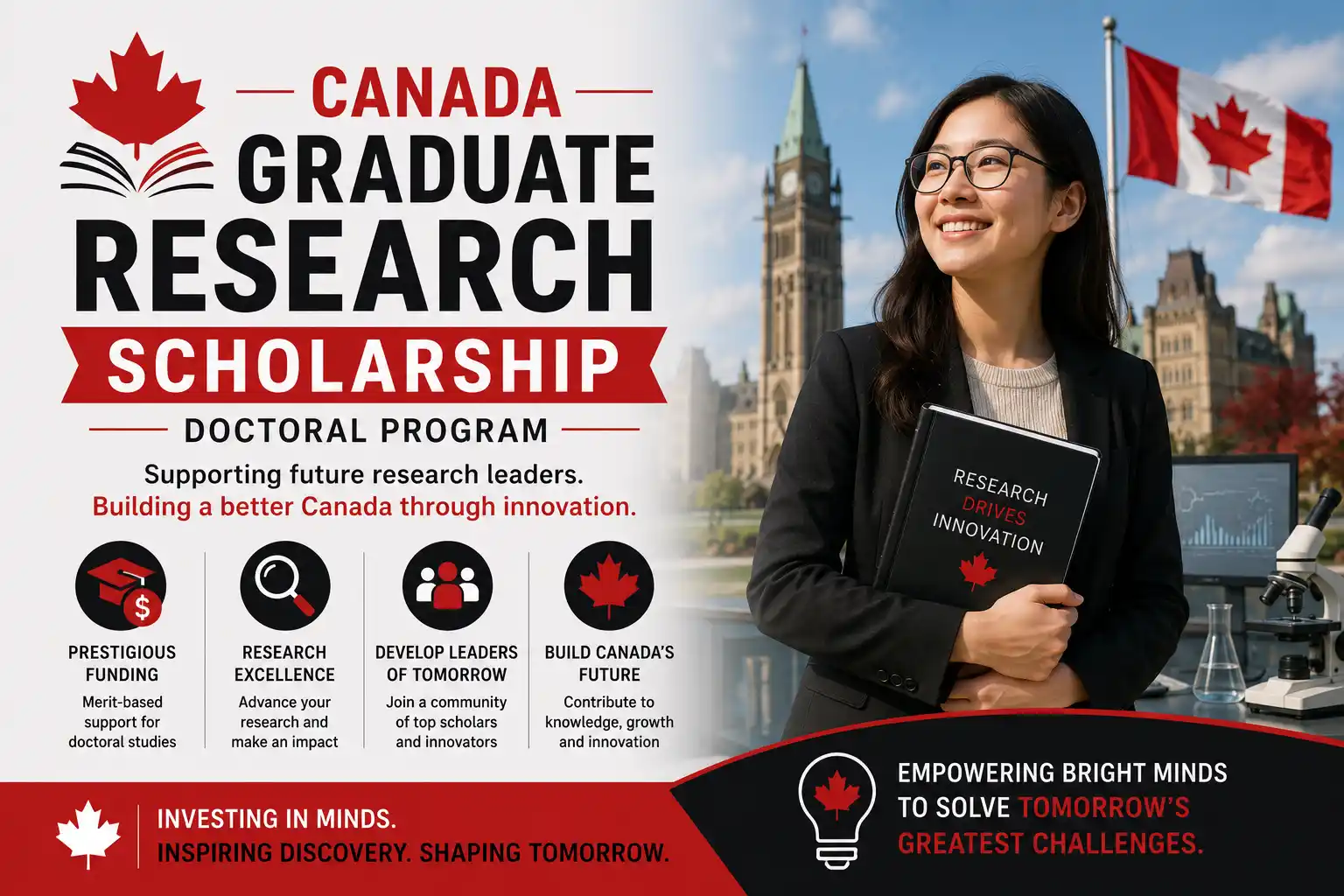 Open
PhD
Deadline: Oct 17, 2026
🔥 7d left
Open
PhD
Deadline: Oct 17, 2026
🔥 7d left
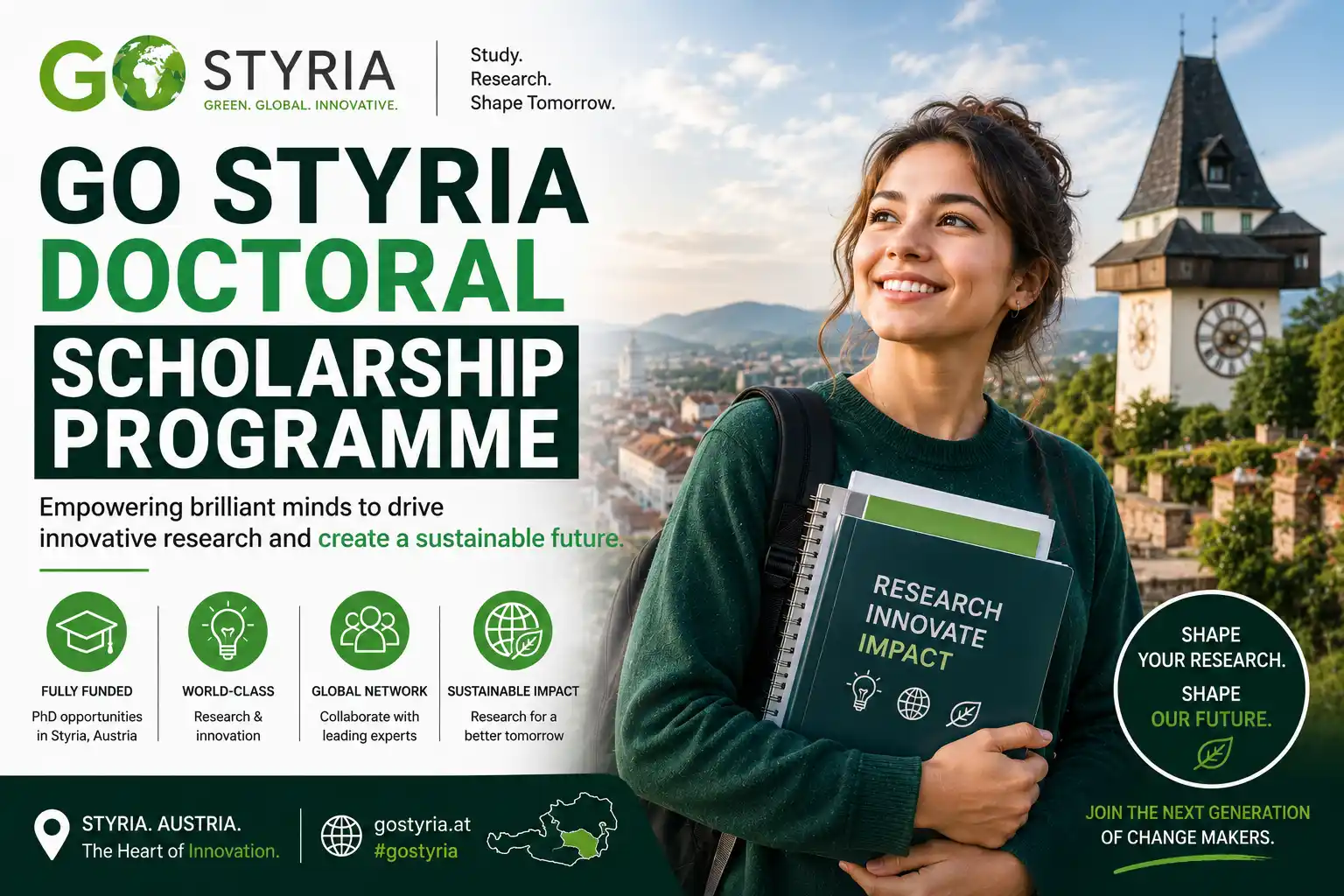 Open
PhD
Deadline: Oct 12, 2026
🔥 2d left
Open
PhD
Deadline: Oct 12, 2026
🔥 2d left
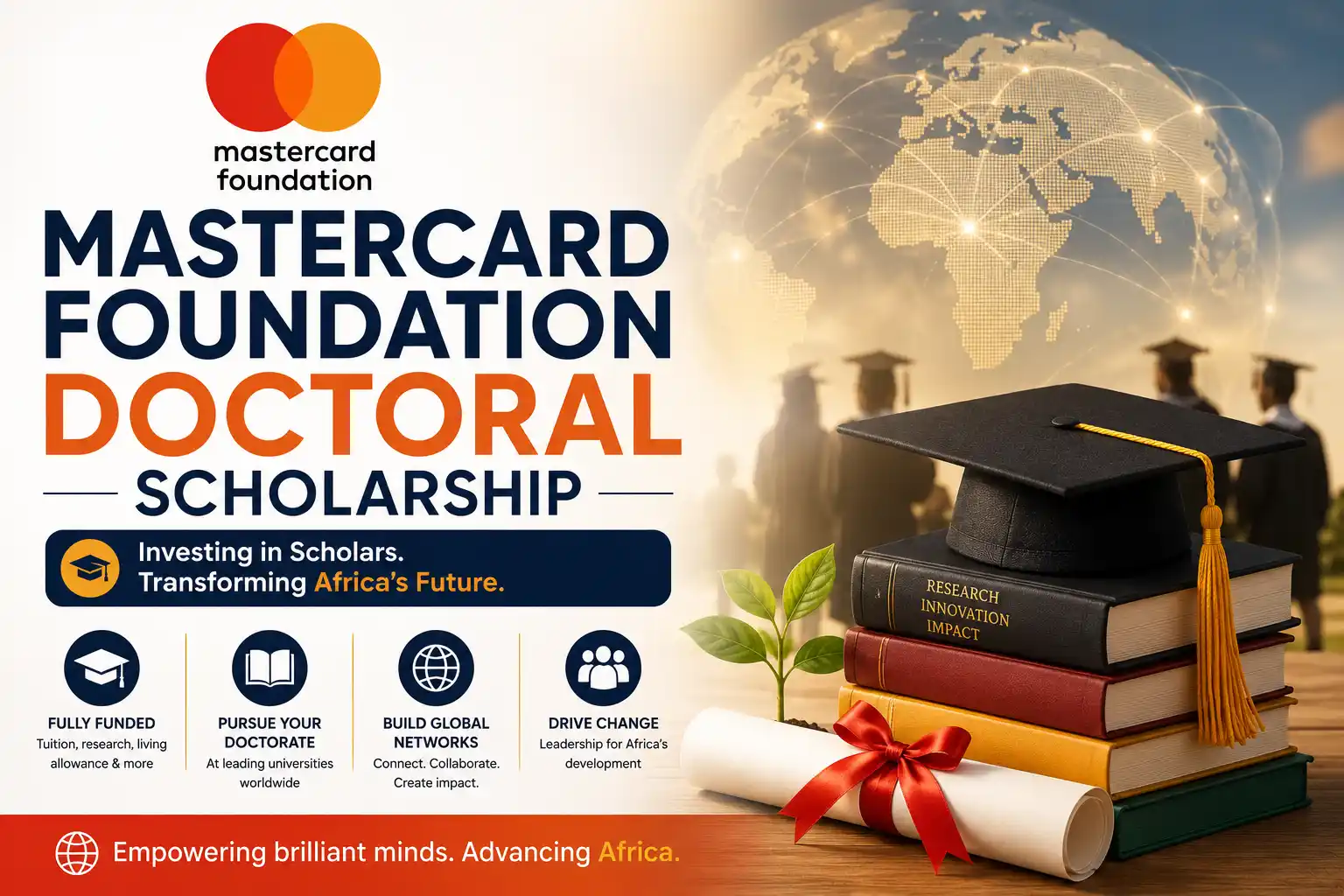 Open
PhD
Deadline: Oct 10, 2026
🔥 0d left
Open
PhD
Deadline: Oct 10, 2026
🔥 0d left
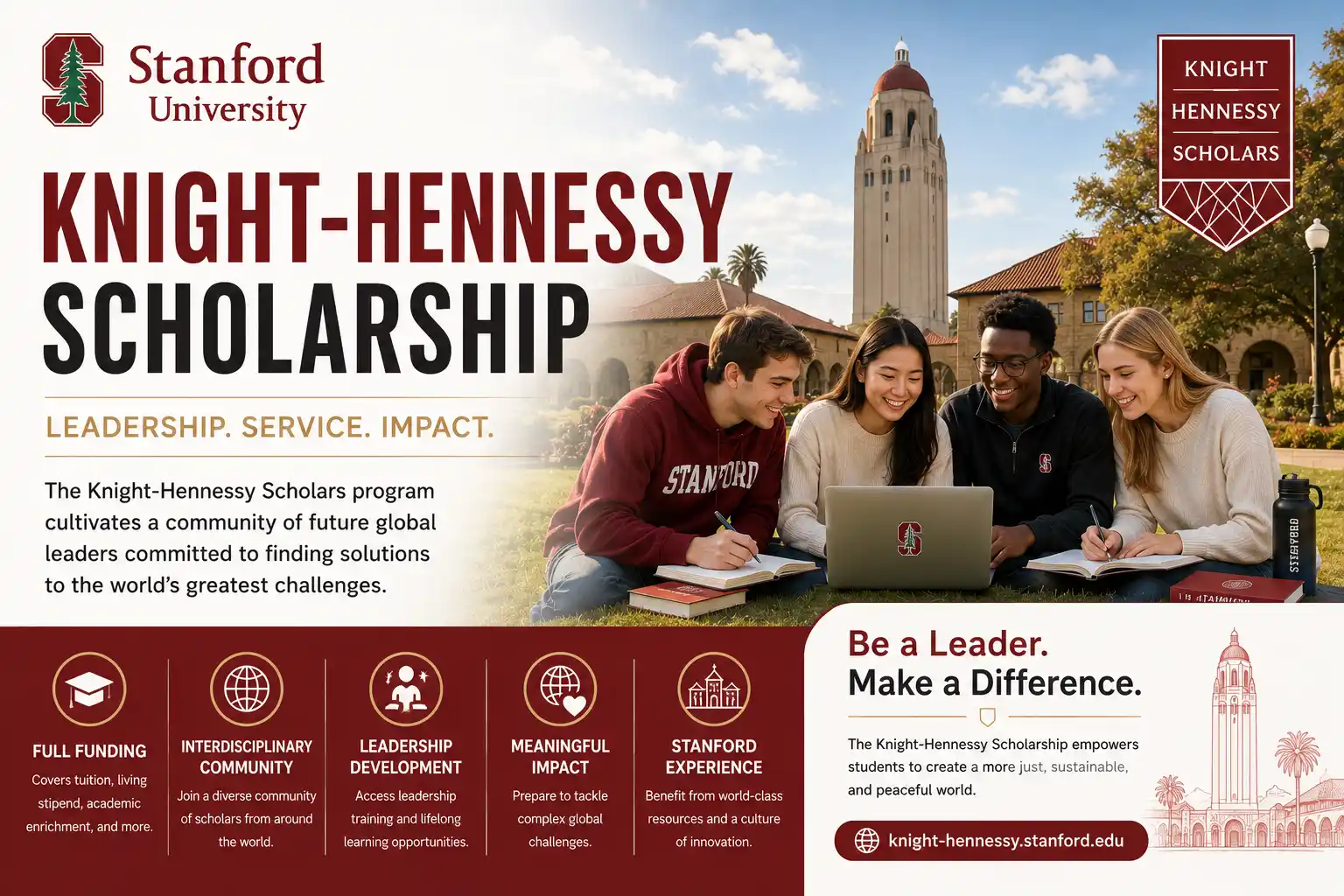 Closed
Master
Deadline: Oct 06, 2026
Closed
Master
Deadline: Oct 06, 2026
 Closed
PhD
Deadline: Oct 06, 2026
Closed
PhD
Deadline: Oct 06, 2026
 Closed
Master
Deadline: Oct 01, 2026
Closed
Master
Deadline: Oct 01, 2026
 Closed
Master
Deadline: Sep 30, 2026
Closed
Master
Deadline: Sep 30, 2026
 Closed
Master
Deadline: Sep 30, 2026
Closed
Master
Deadline: Sep 30, 2026
 Closed
PhD
Deadline: Sep 30, 2026
Closed
PhD
Deadline: Sep 30, 2026
 Closed
Master
Deadline: Sep 23, 2026
Closed
Master
Deadline: Sep 23, 2026
 Closed
PhD
Deadline: Sep 21, 2026
Closed
PhD
Deadline: Sep 21, 2026
 Closed
Master
Deadline: Sep 18, 2026
Closed
Master
Deadline: Sep 18, 2026
 Closed
Master
Deadline: Sep 15, 2026
Closed
Master
Deadline: Sep 15, 2026
 Closed
Master
Deadline: Sep 15, 2026
Closed
Master
Deadline: Sep 15, 2026
 Closed
Master
Deadline: Sep 01, 2026
Closed
Master
Deadline: Sep 01, 2026
 Closed
Master
Deadline: Aug 31, 2026
Closed
Master
Deadline: Aug 31, 2026
 Closed
Master
Deadline: Aug 31, 2026
Closed
Master
Deadline: Aug 31, 2026
 Closed
Master
Deadline: Aug 31, 2026
Closed
Master
Deadline: Aug 31, 2026
 Closed
PhD
Deadline: Aug 31, 2026
Closed
PhD
Deadline: Aug 31, 2026
 Closed
PhD
Deadline: Aug 31, 2026
Closed
PhD
Deadline: Aug 31, 2026
 Closed
Master
Deadline: Aug 23, 2026
Closed
Master
Deadline: Aug 23, 2026
 Closed
Master
Deadline: Aug 21, 2026
Closed
Master
Deadline: Aug 21, 2026
 Closed
Master
Deadline: Aug 19, 2026
Closed
Master
Deadline: Aug 19, 2026
 Closed
Master
Deadline: Aug 15, 2026
Closed
Master
Deadline: Aug 15, 2026
 Closed
Master
Deadline: Aug 01, 2026
Closed
Master
Deadline: Aug 01, 2026
 Closed
PhD
Deadline: Aug 01, 2026
Closed
PhD
Deadline: Aug 01, 2026
 Closed
Master
Deadline: Jul 31, 2026
Closed
Master
Deadline: Jul 31, 2026
 Closed
Master
Deadline: Jul 31, 2026
Closed
Master
Deadline: Jul 31, 2026
 Closed
Master
Deadline: Jul 31, 2026
Closed
Master
Deadline: Jul 31, 2026
 Closed
Master
Deadline: Jul 31, 2026
Closed
Master
Deadline: Jul 31, 2026
 Closed
Master
Deadline: Jul 31, 2026
Closed
Master
Deadline: Jul 31, 2026
 Closed
Master
Deadline: Jul 31, 2026
Closed
Master
Deadline: Jul 31, 2026
 Closed
Master
Deadline: Jul 31, 2026
Closed
Master
Deadline: Jul 31, 2026
 Closed
Master
Deadline: Jul 31, 2026
Closed
Master
Deadline: Jul 31, 2026
 Closed
Master
Deadline: Jul 31, 2026
Closed
Master
Deadline: Jul 31, 2026
 Closed
Master
Deadline: Jul 31, 2026
Closed
Master
Deadline: Jul 31, 2026
 Closed
Master
Deadline: Jul 31, 2026
Closed
Master
Deadline: Jul 31, 2026
 Closed
PhD
Deadline: Jul 31, 2026
Closed
PhD
Deadline: Jul 31, 2026
 Closed
PhD
Deadline: Jul 31, 2026
Closed
PhD
Deadline: Jul 31, 2026
 Closed
PhD
Deadline: Jul 31, 2026
Closed
PhD
Deadline: Jul 31, 2026
 Closed
Master
Deadline: Jul 27, 2026
Closed
Master
Deadline: Jul 27, 2026
 Closed
Master
Deadline: Jul 26, 2026
Closed
Master
Deadline: Jul 26, 2026
 Closed
PhD
Deadline: Jul 15, 2026
Closed
PhD
Deadline: Jul 15, 2026
 Closed
PhD
Deadline: Jul 15, 2026
Closed
PhD
Deadline: Jul 15, 2026
 Closed
Master
Deadline: Jul 13, 2026
Closed
Master
Deadline: Jul 13, 2026
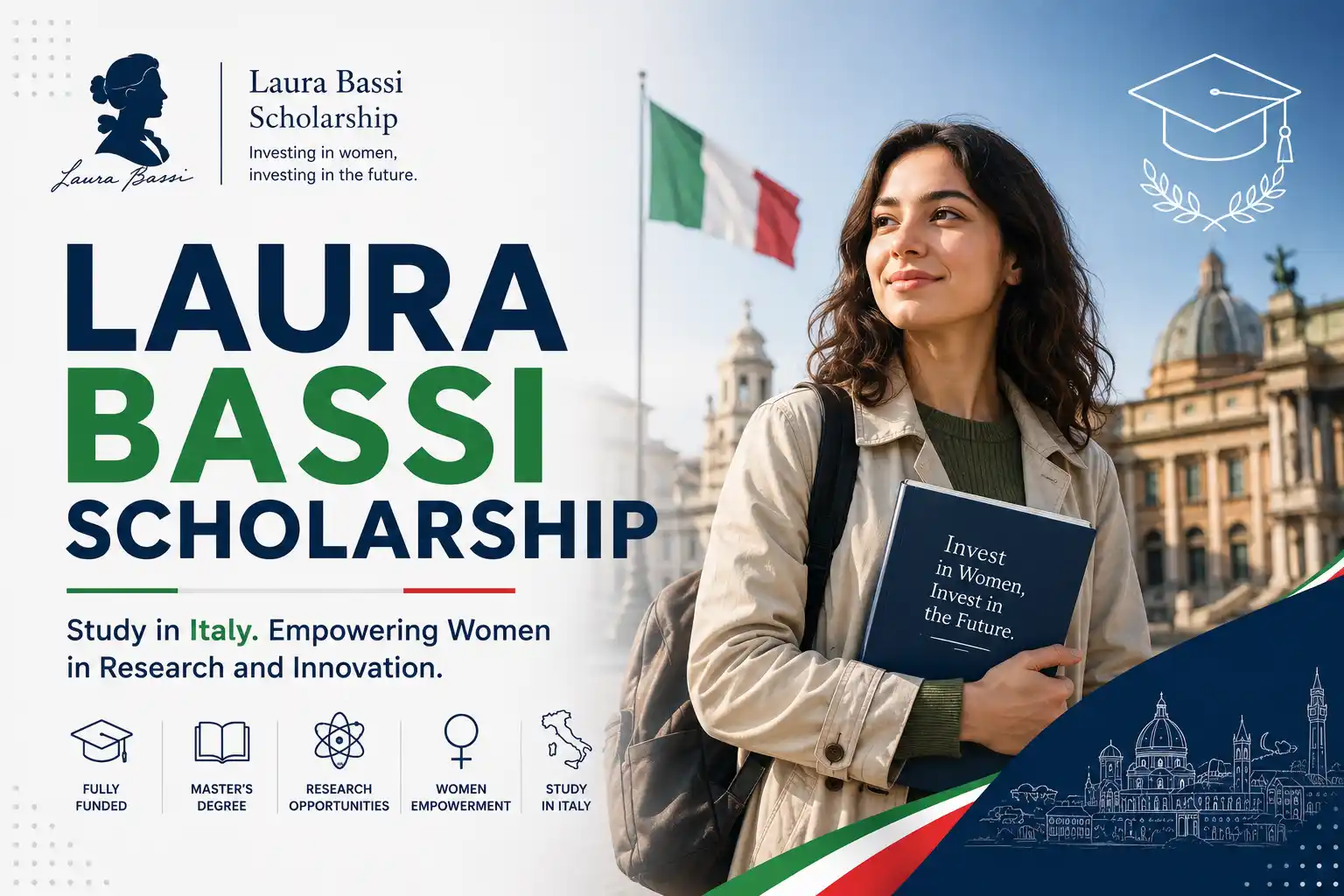 Closed
Master
Deadline: Jul 12, 2026
Closed
Master
Deadline: Jul 12, 2026
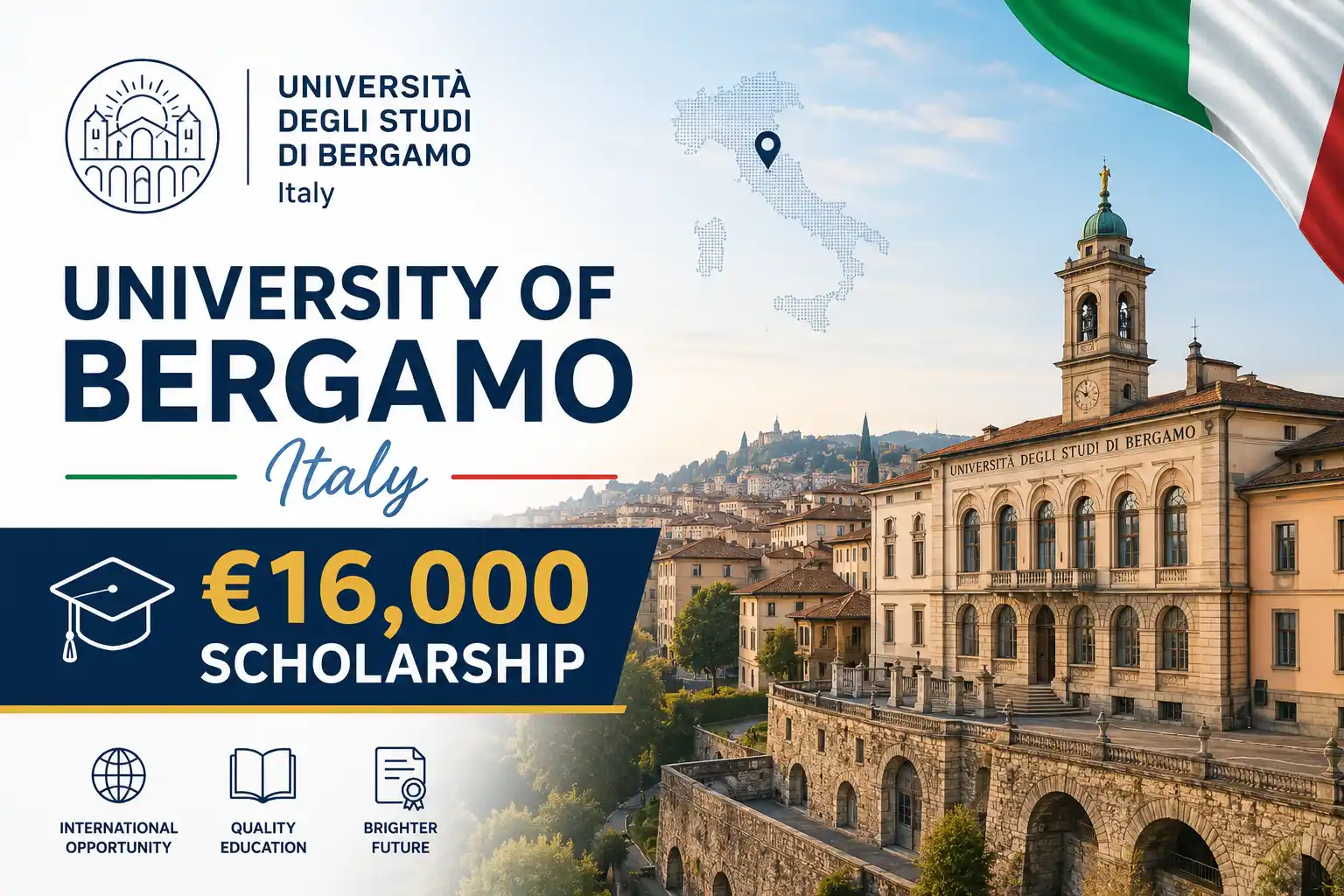 Closed
Master
Deadline: Jul 10, 2026
Closed
Master
Deadline: Jul 10, 2026
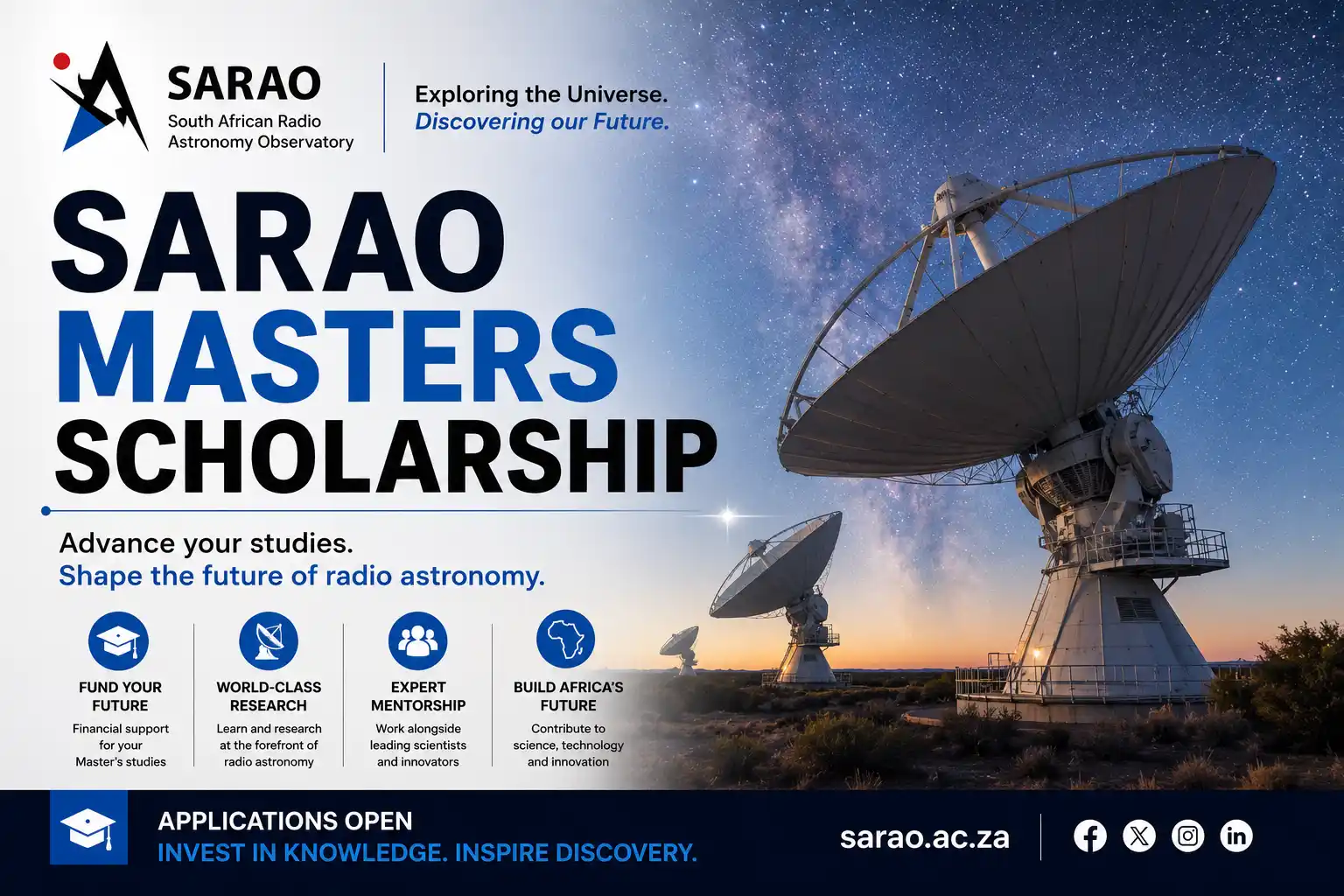 Closed
Master
Deadline: Jul 10, 2026
Closed
Master
Deadline: Jul 10, 2026
 Closed
Master
Deadline: Jul 09, 2026
Closed
Master
Deadline: Jul 09, 2026
 Closed
Master
Deadline: Jul 09, 2026
Closed
Master
Deadline: Jul 09, 2026
 Closed
Master
Deadline: Jul 09, 2026
Closed
Master
Deadline: Jul 09, 2026
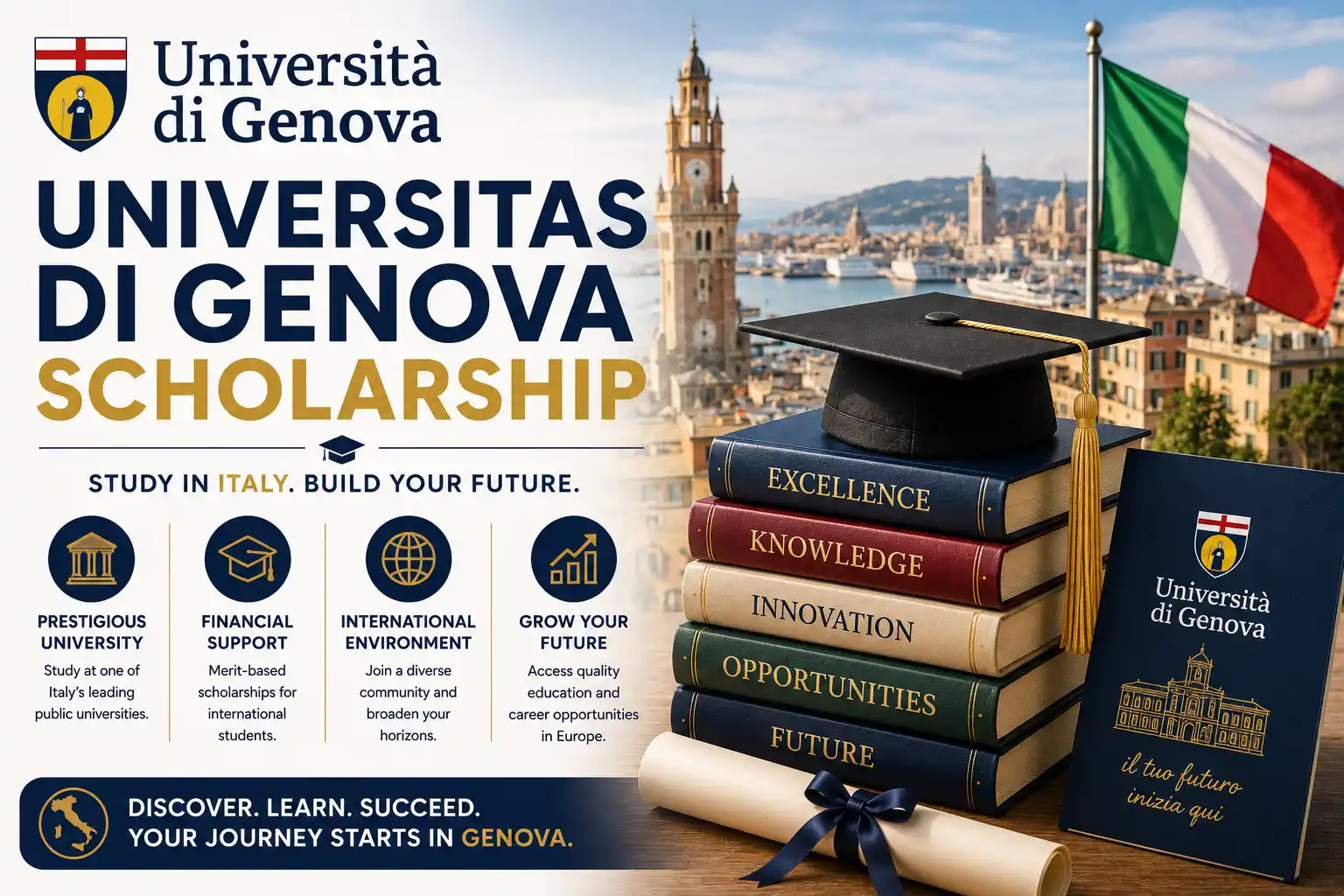 Closed
PhD
Deadline: Jul 09, 2026
Closed
PhD
Deadline: Jul 09, 2026
 Closed
Master
Deadline: Jul 03, 2026
Closed
Master
Deadline: Jul 03, 2026
 Closed
PhD
Deadline: Jul 03, 2026
Closed
PhD
Deadline: Jul 03, 2026
 Closed
Master
Deadline: Jul 01, 2026
Closed
Master
Deadline: Jul 01, 2026
 Closed
PhD
Deadline: Jul 01, 2026
Closed
PhD
Deadline: Jul 01, 2026
Closed
PhD
Deadline: Jul 01, 2026
Closed
PhD
Deadline: Jul 01, 2026
 Closed
Master
Deadline: Jun 30, 2026
Closed
Master
Deadline: Jun 30, 2026
 Closed
PhD
Deadline: Jun 28, 2026
Closed
PhD
Deadline: Jun 28, 2026
 Closed
PhD
Deadline: Jun 26, 2026
Closed
PhD
Deadline: Jun 26, 2026
 Closed
PhD
Deadline: Jun 24, 2026
Closed
PhD
Deadline: Jun 24, 2026
 Closed
Master
Deadline: Jun 22, 2026
Closed
Master
Deadline: Jun 22, 2026
 Closed
PhD
Deadline: Jun 22, 2026
Closed
PhD
Deadline: Jun 22, 2026
 Closed
Master
Deadline: Jun 21, 2026
Closed
Master
Deadline: Jun 21, 2026
 Closed
PhD
Deadline: Jun 21, 2026
Closed
PhD
Deadline: Jun 21, 2026
 Closed
Master
Deadline: Jun 18, 2026
Closed
Master
Deadline: Jun 18, 2026
 Closed
Master
Deadline: Jun 17, 2026
Closed
Master
Deadline: Jun 17, 2026
 Closed
Master
Deadline: Jun 15, 2026
Closed
Master
Deadline: Jun 15, 2026
 Closed
PhD
Deadline: Jun 15, 2026
Closed
PhD
Deadline: Jun 15, 2026
 Closed
PhD
Deadline: Jun 15, 2026
Closed
PhD
Deadline: Jun 15, 2026
 Closed
PhD
Deadline: Jun 15, 2026
Closed
PhD
Deadline: Jun 15, 2026
 Closed
PhD
Deadline: Jun 15, 2026
Closed
PhD
Deadline: Jun 15, 2026
 Closed
PhD
Deadline: Jun 15, 2026
Closed
PhD
Deadline: Jun 15, 2026
 Closed
Master
Deadline: Jun 12, 2026
Closed
Master
Deadline: Jun 12, 2026
 Closed
PhD
Deadline: Jun 12, 2026
Closed
PhD
Deadline: Jun 12, 2026
 Closed
Master
Deadline: Jun 01, 2026
Closed
Master
Deadline: Jun 01, 2026
 Closed
Master
Deadline: May 28, 2026
Closed
Master
Deadline: May 02, 2026
Closed
Master
Deadline: May 28, 2026
Closed
Master
Deadline: May 02, 2026
 Closed
Master
Deadline: Apr 30, 2026
Closed
Master
Deadline: Apr 30, 2026
 Closed
PhD
Deadline: Mar 31, 2026
Closed
PhD
Deadline: Mar 31, 2026
Explore opportunities, prepare your application, and secure funding for your graduate studies with courses and exam preparation resources.
When we talk about "graduate scholarships," we're referring to the wide array of financial aid opportunities available for students pursuing master's and PhD degrees at universities around the world. Graduate school is a significant investment of both time and money, but graduate scholarships are designed to ease that burden, making advanced education accessible to talented students from all backgrounds. These scholarships come from a variety of sources, governments like the Fulbright Program in the US, the Chevening Scholarships in the UK, and the DAAD in Germany, individual universities, private foundations, and international organizations. They are specifically tailored to support students at the postgraduate level, recognizing the unique costs and research demands that come with advanced study.
What makes the graduate scholarship landscape so diverse is the sheer range of opportunities available. You'll find scholarships for every field of study, from the humanities and social sciences to STEM fields, business, and law. Some are fully-funded, covering tuition, living expenses, health insurance, and even travel costs. Others are partial awards that help lighten the financial load. There are scholarships specifically for international students, for students from developing countries, for women in STEM, and for students pursuing research in specific areas like climate change, public health, or artificial intelligence. Whether you're aiming for a coursework-based master's or a research-intensive PhD, there is likely a graduate scholarship out there designed to support your academic journey.
Pursuing a graduate scholarship is about more than just avoiding student debt, though that's certainly a big part of it. Graduate school is expensive, and the financial strain can be overwhelming. A scholarship removes that burden, allowing you to focus entirely on your studies, your research, and your professional development. But the benefits go far beyond money. Winning a competitive graduate scholarship is a mark of distinction that enhances your resume and signals to future employers that you are among the best in your field. It can open doors to exclusive networking opportunities, mentorship programs, and internships that you wouldn't have access to otherwise.
Beyond the practical advantages, a graduate scholarship offers a sense of validation and encouragement. It's an acknowledgment that your work matters, that your ideas have value, and that someone believes in your potential. This can be incredibly motivating, especially during the challenging moments that inevitably come with advanced study. Many graduate scholarships also come with a community of fellow scholars, creating a support network that can last a lifetime. Whether you're attending conferences, collaborating on research, or simply sharing the ups and downs of graduate life, being part of a scholarship cohort enriches your experience in ways that go far beyond the financial support.
So, you've decided to pursue a graduate degree, and you're ready to apply for scholarships, now what? The first step is getting organized. Start by identifying the programs and universities that align with your academic interests and career goals. Once you have a list, research the scholarships they offer. Many universities have their own graduate scholarships for incoming students, while others participate in government-sponsored programs. Create a spreadsheet with all the scholarships you're eligible for, their deadlines, requirements, and application materials. This will help you keep track and avoid missing any important dates.
Once you've identified your target scholarships, it's time to focus on your application materials. The most critical components are usually your academic transcripts, a motivation letter, recommendation letters, a CV or resume, and for research-based programs, a research proposal. Your motivation letter is your chance to tell your story and explain why you're the ideal candidate for both the program and the scholarship. Be specific about your research interests, your professional goals, and how this scholarship will help you achieve them. Connect your experiences to the broader mission of the scholarship program. For recommendation letters, choose professors or supervisors who know you well and can speak to your academic abilities and personal character. Give them plenty of time to write a strong letter. Finally, proofread everything carefully, ask for feedback from mentors, and submit your application well before the deadline.
Graduate scholarships are transformative opportunities that can change the trajectory of your academic and professional life. They are investments in your potential, designed to support you as you push the boundaries of knowledge and develop the expertise that will define your career. The application process is demanding, but the rewards are immense, not just financially, but in terms of personal growth, professional development, and the connections you'll make along the way.
Remember, the journey to securing a graduate scholarship starts with a single step: believing that you are worthy of this opportunity. You have worked hard to get where you are, and you have a unique perspective and set of skills to offer. Don't let the fear of rejection hold you back. Start your research early, reach out to faculty members and advisors for guidance, and put together the most compelling application you can. The world needs passionate, dedicated researchers and professionals, and graduate scholarships are there to help you become exactly that. Go for it, your future is waiting.
Both are graduate scholarships, but they differ in scope and duration. Master's scholarships typically cover 1-2 years of coursework-based study, while PhD scholarships cover 3-5 years of research-intensive study. PhD awards often include a stipend for living expenses and research costs.
Yes, absolutely. Many prestigious programs like Chevening, Fulbright, DAAD, and Commonwealth Scholarships are fully-funded for international students, covering tuition, living expenses, and travel.
Typical requirements include academic transcripts, a motivation letter, recommendation letters, a CV, proof of language proficiency, and sometimes a research proposal or writing sample.
It's extremely important. Your research proposal is often the deciding factor for PhD scholarships. It demonstrates your ability to conduct independent research, your understanding of the field, and the originality of your ideas. Take your time to craft a strong, well-structured proposal.
Yes, you should apply for as many as you're eligible for. However, be aware that some programs may have restrictions on holding multiple awards simultaneously. Always check the rules of each scholarship.
It's never too early, but ideally, you should start researching and preparing at least a year before your intended start date. Many scholarships have deadlines between September and March for admission the following fall, so give yourself plenty of time to gather materials and write strong applications.
Some of the most prestigious include the Rhodes Scholarship (Oxford), Fulbright Scholarship (US), Chevening Scholarship (UK), DAAD Scholarship (Germany), and the Commonwealth Scholarship (UK).
Yes, many scholarships target specific fields. For example, the National Science Foundation offers grants for STEM fields, the Ford Foundation supports social sciences, and there are numerous awards for public health, environmental science, and the humanities.
Yes, especially for master's programs. While some scholarships, like Chevening, require work experience, many others prioritize academic excellence and research potential over professional experience.
Many fully-funded graduate scholarships include a stipend for living expenses. However, partial scholarships may only cover tuition. Always read the details carefully to understand exactly what's included.
While a strong academic record helps, many scholarships also consider other factors like research potential, leadership experience, and community service. Focus on highlighting your unique strengths and experiences in your application.
Yes, some organizations and universities offer scholarships for online graduate programs, though they are less common than scholarships for on-campus programs. Research specific opportunities related to your chosen online program.
It depends on the scholarship. Some require you to have an offer of admission first, while others allow you to apply simultaneously. For many government-sponsored programs, you can apply before receiving an admission offer, but you'll need to secure admission eventually.
Some scholarships allow deferrals, but not all. You'll need to contact the scholarship provider to discuss your situation. Many are flexible if you have a valid reason, but it's best to check their policies before applying.
Start early, research extensively, tailor each application to the specific scholarship, craft a compelling motivation letter, secure strong recommendation letters, and proofread meticulously. Seek feedback from mentors, and don't be discouraged by rejections, persistence is key.
 Austria scholarships
 Australia scholarships
 Belgium scholarships
 Brazil scholarships Belgium scholarships
 Canada scholarships
 China scholarships CSC China scholarships
 Czech Republic scholarships
 Denmark scholarships
 Finland scholarships
 France scholarships
 Germany scholarships
 Hungary scholarships
 Indonesia scholarships
 Ireland scholarships
 Italy scholarships
 Japan scholarships
 Kenya scholarships
 Luxembourg scholarships
 Malaysia scholarships
 Nepal scholarships
 Netherlands scholarships
 Newzealand scholarships
 Nigeria scholarships
 Norway scholarships
 Pakistan scholarships
 Poland scholarships
 Portugal scholarships
 Qatar scholarships
 Russia scholarships
 Saudi Arabia scholarships
 Singapore scholarships
 South Africa scholarships
 South Korea scholarships
 Spain scholarships
 Sweden scholarships
 Switzerland scholarships
 Taiwan scholarships
 Tanzania scholarships
 Thailand scholarships
 Turkey scholarships
 UAE scholarships
 Uganda scholarships
 UK scholarships
 USA scholarships
 Vietnam scholarships